The global oil and gas industry continually navigates a complex landscape of market volatility, environmental scrutiny, and operational challenges. In this environment, the imperative for robust operational integrity and safety has never been higher, directly impacting investor confidence and asset valuation. A significant recent development underscores this commitment: the American Petroleum Institute’s (API) launch of its first certification program for Bolted Flange Joints (BFJs). This new industry credential, developed with crucial input from experts like EnerMech, represents a strategic move to standardize critical skills, mitigate risks, and enhance reliability across upstream and downstream operations. For investors, understanding the implications of such industry-wide advancements is key to identifying resilient and high-performing assets in the energy sector.
Elevating Operational Integrity: A New Benchmark for Safety and Reliability
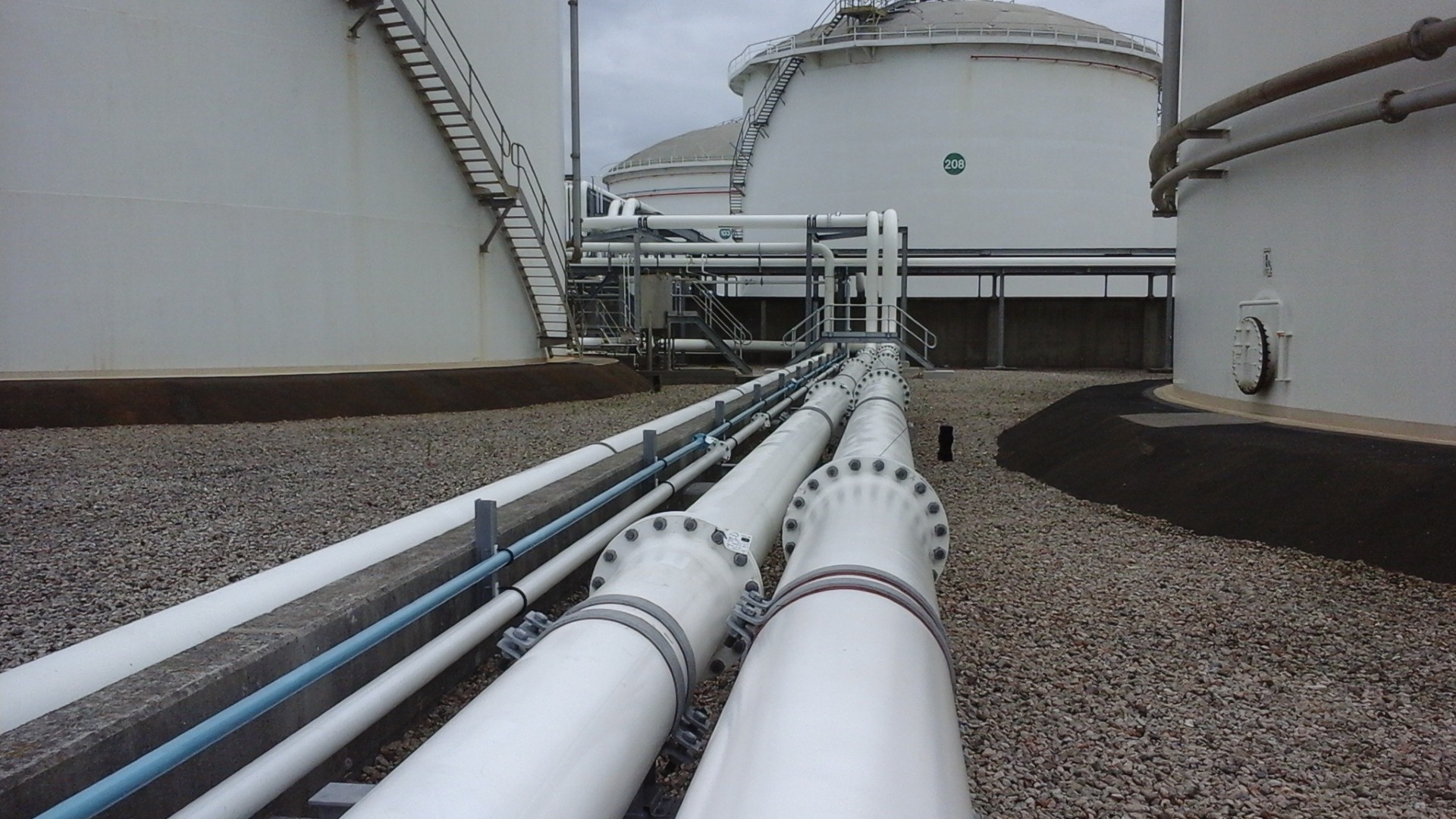
The introduction of API’s BFJ certification program marks a pivotal moment for operational risk management in oil and gas. Bolted flange joints are ubiquitous across pipelines, refineries, and processing facilities, yet their improper assembly or maintenance remains a leading cause of leaks, unscheduled downtime, and safety incidents. These failures not only pose significant environmental and safety hazards but also incur substantial repair costs and erode operational efficiency. The new API credential directly addresses this vulnerability by establishing rigorous standards for inspection and assembly skills, thereby validating the proficiency of technicians working in high-risk environments.
Industry leaders, including EnerMech, played an instrumental role in shaping this program, contributing decades of practical field experience and technical insight. Experts such as Allan Dickie, Michael Amos, and Scott Smith provided invaluable input, ensuring the certification reflects real-world challenges. This collaborative effort to formalize critical skills around flange joint integrity is a clear signal to investors: the industry is proactively investing in measures that reduce liabilities, improve environmental performance, and secure operational continuity. For companies adopting this certification as a standard practice, the potential for reduced maintenance expenditures, fewer production interruptions, and enhanced compliance translates directly into improved financial performance and a more attractive investment profile.
Navigating Market Dynamics: Efficiency as a Strategic Imperative
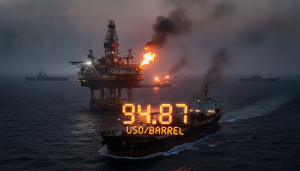
In today’s dynamic energy market, the drive for operational efficiency is not merely a best practice; it is a strategic imperative. As of today, Brent Crude trades at $98.36, reflecting a 1.04% decline, with its daily range spanning $97.92 to $98.67. Similarly, WTI Crude stands at $89.96, down 1.33%, oscillating between $89.57 and $90.26. This daily movement follows a more significant trend; Brent has seen a notable 12.4% drop over the past 14 days, sliding from $112.57 on March 27th to $98.57 by April 16th. Gasoline prices also reflect minor fluctuations, trading at $3.08, a marginal 0.32% decrease today.
Such price volatility underscores the critical need for oil and gas operators to minimize all avoidable costs and maximize asset uptime. Improperly assembled BFJs, leading to leaks or failures, directly impact the bottom line through lost production, environmental remediation, and repair expenses—costs that become particularly burdensome when commodity prices are under pressure. By investing in certified expertise and robust integrity management programs, companies can significantly reduce these operational risks, protecting margins and ensuring greater financial resilience. This commitment to efficiency and risk mitigation, exemplified by adherence to new API standards, becomes a competitive advantage for investors seeking stable returns in a fluctuating market.
Upcoming Catalysts and the Enduring Focus on Operational Excellence
The coming weeks present several key events that will shape market sentiment and further highlight the importance of operational robustness. The Baker Hughes Rig Count, scheduled for release on April 17th and again on April 24th, will provide insights into drilling activity, signaling potential shifts in future supply. More critically, the OPEC+ Joint Ministerial Monitoring Committee (JMMC) meeting on April 18th, followed by the full OPEC+ Ministerial Meeting on April 20th, could introduce significant changes to production quotas, directly impacting crude prices. In the wake of these decisions, the API Weekly Crude Inventory (April 21st, April 28th) and EIA Weekly Petroleum Status Reports (April 22nd, April 29th) will offer crucial data on immediate supply-demand balances.
Regardless of the outcomes of these high-profile events—be it an OPEC+ production adjustment or shifts in inventory levels—the fundamental necessity for operational excellence remains unwavering. In an environment where every barrel and every dollar counts, preventing costly failures through improved standards like the API BFJ certification becomes even more critical. Companies that demonstrate proactive risk management and adhere to the highest integrity standards are better positioned to weather market shocks, capitalize on opportunities, and deliver consistent performance, making them more attractive long-term investments.
Addressing Investor Demand for Data, Transparency, and Risk Mitigation
Our proprietary reader intent data reveals a clear trend: investors are increasingly seeking granular data, robust analytical tools, and verifiable benchmarks to inform their decisions. Questions ranging from “What are OPEC+ current production quotas?” and “What is the current Brent crude price?” to inquiries about the data sources and models powering market responses, underscore a sophisticated demand for transparency and reliability. Investors want to understand the underlying mechanics of the market and how companies are mitigating risks.
In this context, industry certifications like the API BFJ program directly address these investor concerns. By formalizing skills and setting a higher benchmark for safety and integrity, the program provides a tangible, verifiable standard against which operational performance can be measured. It signals a company’s commitment to best practices, reducing the unseen risks associated with asset integrity and operational failures. For investors scrutinizing balance sheets and operational reports, evidence of adherence to such certifications offers a layer of assurance, demonstrating a proactive approach to protecting assets, personnel, and the environment. This commitment translates into greater predictability of earnings and reduced exposure to high-impact, low-probability events, aligning perfectly with the demand for data-driven, risk-aware investment strategies.
The API’s new Bolted Flange Joint certification, with significant contributions from industry leaders like EnerMech, represents more than just a technical standard; it is an investment in the future resilience and profitability of the oil and gas sector. By mitigating a leading cause of operational failures, enhancing safety, and improving environmental performance, this initiative directly supports stable operations—a critical factor for investors in a volatile commodity market. As the industry continues to evolve, proactive measures that standardize best practices and reduce risk will be paramount for companies seeking to attract capital and deliver sustainable value in the long term.