

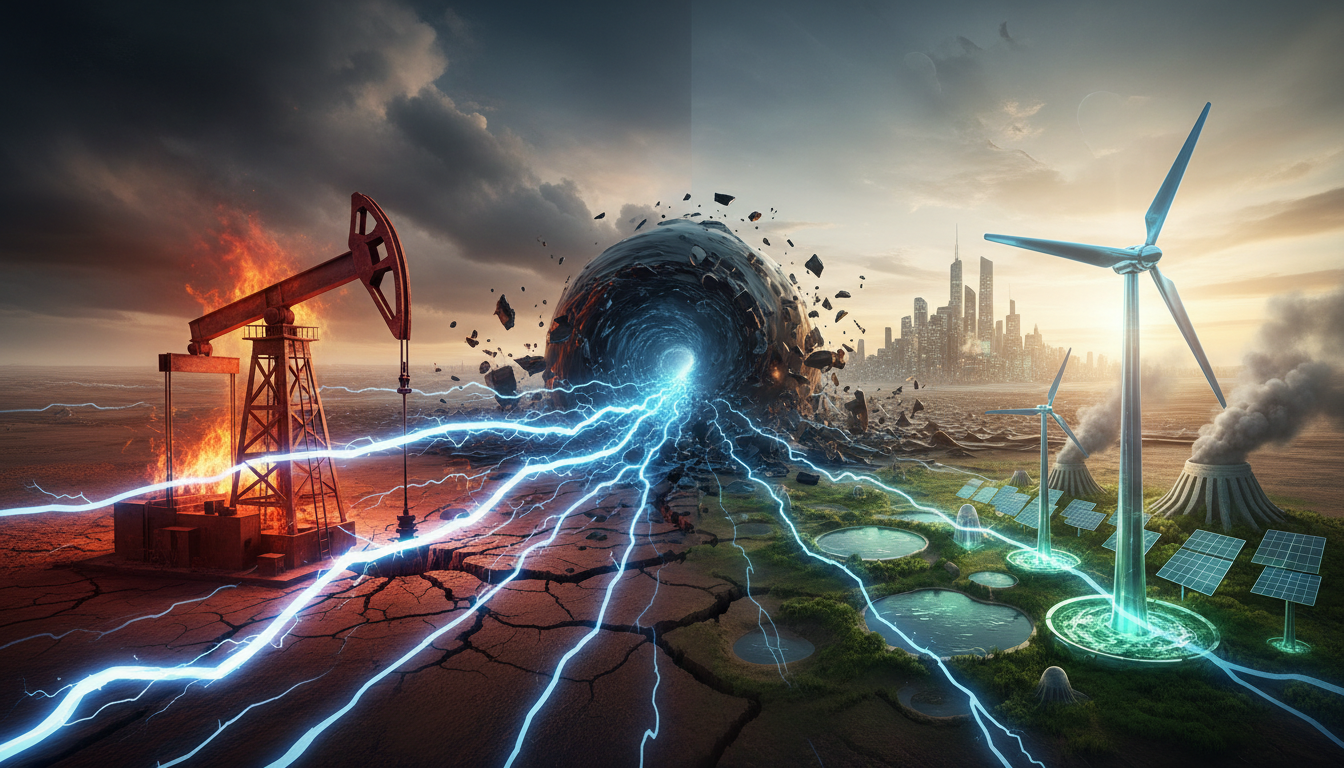
The geopolitical tremors emanating from the Middle East are fundamentally reshaping the global energy investment landscape. A severe disruption to crude oil exports and liquefied natural gas (LNG) shipments through the critical Strait of Hormuz, a conduit for approximately one-fifth of the world’s oil and LNG, exposes the acute vulnerabilities inherent in reliance on extended fossil fuel supply chains. This strategic chokepoint, also vital for global fertilizer trade, has forcefully reminded investors and policymakers alike of the imperative for robust energy security, increasingly steering capital towards resilient, domestically-sourced alternatives.
As oil and gas prices experience heightened volatility, triggering widespread inflation concerns, the crisis underscores the profound reliance of major economies on precarious fossil fuel trade routes. Asia, heavily dependent on imported energy, stands at the epicenter of this evolving dynamic, while Europe and Africa also grapple with escalating fuel costs and the tangible threat to food security. Experts widely anticipate that the aftermath of the conflict will serve as a potent catalyst, accelerating the already robust global energy transition and directing even greater investment flows into clean energy technologies.
International Energy Agency (IEA) Executive Director Fatih Birol recently highlighted that the energy transition demonstrated significant momentum even before the recent conflict. He asserts that the resulting energy shock will compel nations to channel more capital into clean energy sources. “One direct outcome of this crisis will be an accelerated embrace of renewables,” Birol observed, emphasizing their dual benefits: reducing emissions and providing an indigenous, reliable energy supply. Last year alone, clean energy sources dominated new power installations, with renewables accounting for an impressive 85% of all new global power capacity. Solar power, in particular, drives this transformative trend, evolving from an aspirational concept just a decade ago into a compelling commercial enterprise today.
Renewables: The Competitive Edge
A distinctive feature of the current energy shock, unlike previous oil crises, is the significantly enhanced competitiveness of renewable power across numerous global markets. While traditional fossil fuels—coal, oil, and gas—still satisfy roughly 80% of worldwide energy demand as of 2023, the economic equation for new energy is decisively shifting. Research from global energy think tank Ember confirms this trend: “The Middle East crisis accelerates the shift towards renewables and electrification. Elevated fossil fuel prices compel switching, rendering already cost-effective electrotechnologies even more competitive.”
For nations previously focused on diversifying traditional fuel imports as their primary energy security strategy, electrotechnologies now offer a pathway to substantially reduce or even eliminate dependence on foreign energy sources. The term “electrotech” encompasses a range of innovations, including solar, wind, advanced batteries, and the electrification of transport, heating, and industrial processes. These sectors collectively emerged as the dominant engines of global energy growth last year, largely propelled by China’s pioneering role as the world’s first “electrostate.”
The global adoption of electric vehicles (EVs), particularly rapid across Asian markets, gains further momentum from the current crisis. Scaling EV deployment could deliver monumental savings, potentially cutting oil import bills for nations by over $600 billion annually. This transition represents a profound “security superlever,” fundamentally altering geopolitical energy dynamics. For Asian economies, heavily reliant on imported crude, the Strait of Hormuz chokepoint may indeed represent their own pivotal “Ukraine moment”—a powerful impetus to dramatically reduce oil dependency, now with increasingly accessible and affordable clean technologies at their disposal.
Bolstering European Grid Infrastructure
The unfolding energy shock also serves as a critical wake-up call for the European Union. Investment in modernizing and expanding grid infrastructure across the continent has become paramount. Spain provides a compelling illustration of how strategic commitments to wind and solar technologies can mitigate exposure to volatile fossil fuel prices. Despite facing criticism following a significant blackout last year, which some policymakers incorrectly attributed to renewables, Spain now reaps the benefits of its clean energy investments. Alongside Portugal and several Nordic nations, Spain has registered some of the lowest gas prices across the 27-member bloc since the Middle East conflict intensified, highlighting the resilience offered by a diversified, domestically-oriented energy mix.
Navigating Short-Term Hurdles and Long-Term Reorientation
While the crisis broadly accelerates the energy transition in the medium to long term, certain near-term challenges could impede progress. Policy pressures to subsidize fossil fuels at the pump and the potential for a temporary resurgence of coal in some producing nations—should the conflict prolong—present tangible risks. However, the fundamental perception of renewables has undeniably shifted in the wake of the conflict. The pivot towards clean energy sources is no longer solely an environmental imperative but increasingly viewed as a crucial tool for bolstering national energy security.
Renewables and their associated technologies are now broadly understood as a vital energy security asset. They transcend their traditional role in combating pollution and climate change, emerging as a geopolitical instrument driven by pragmatism rather than idealism. This shift in perspective resonates even among governments and citizens historically less concerned with environmental issues, underscoring the universal appeal of energy independence in an increasingly volatile world. Investors in the oil and gas sector must closely monitor these evolving dynamics, recognizing both the enduring value of traditional assets and the accelerating opportunities in the burgeoning clean energy economy.
