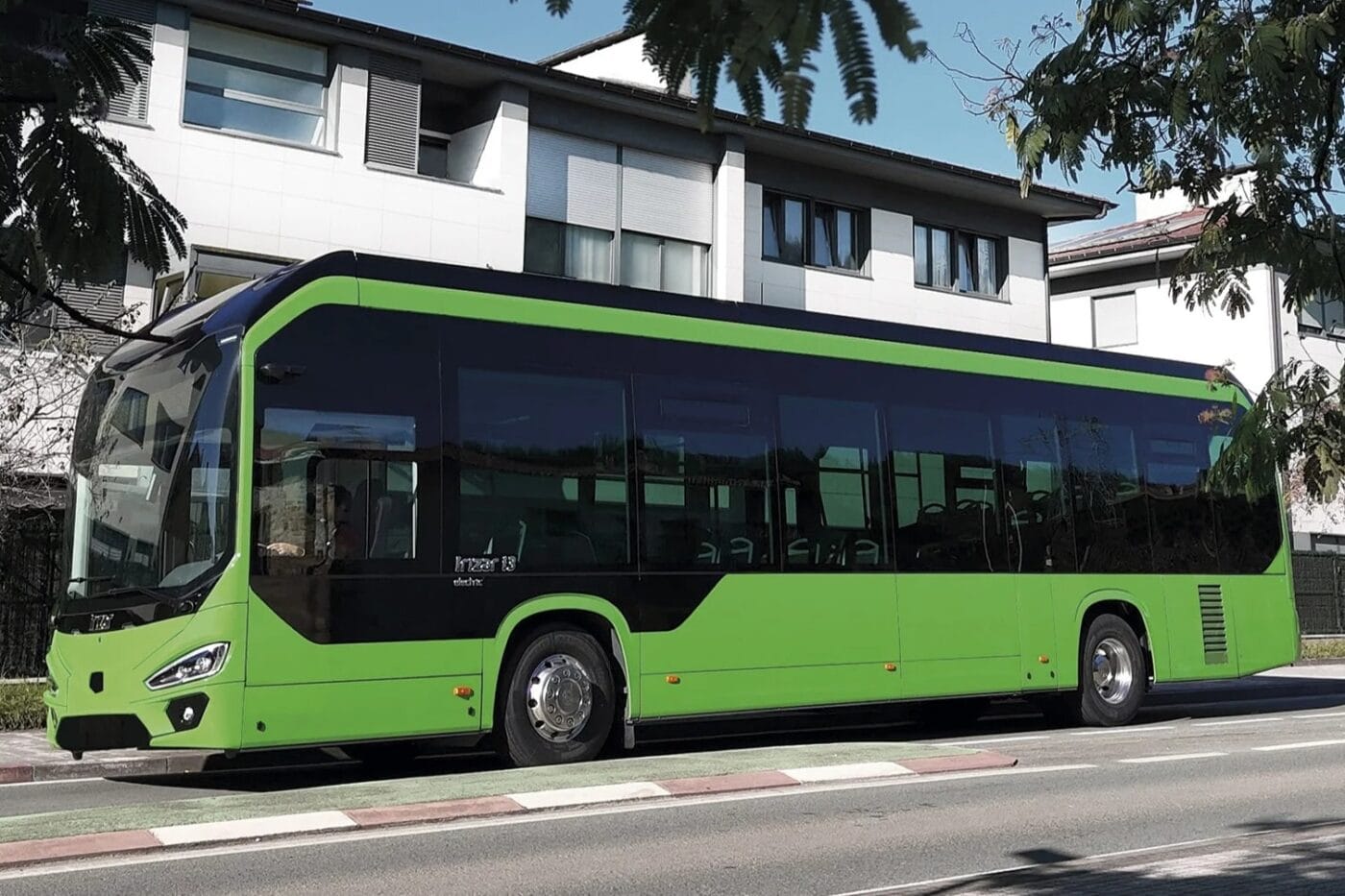
The global energy landscape is undergoing a profound transformation, and while the spotlight often shines on passenger electric vehicles (EVs), the electrification of public and commercial transport presents an equally significant, albeit often underestimated, vector of demand destruction for traditional fuels. Recent advancements showcased by manufacturers like Irizar in the electric bus sector serve as a potent reminder of the accelerating shift away from diesel, signaling a bearish outlook for a critical segment of oil demand. For oil and gas investors, understanding these micro-level shifts in technology and adoption is crucial for accurately forecasting future market dynamics and identifying areas of risk and opportunity.
Electric Bus Momentum: A New Front in Diesel Demand Erosion
The latest generation of electric buses, exemplified by Irizar’s new ‘Efficient Series’ – including the redesigned ie bus electric city bus and the new i3 electric Normal Floor intercity bus – represents a substantial leap in technology and operational viability. These vehicles are engineered for superior efficiency, boasting significant weight reductions (up to 1,000 kg compared to previous generations, likely achieved through lighter, stronger materials) and impressive battery capacities. The i3 electric Normal Floor, for instance, can be configured with up to 716 kWh of lithium-ion batteries, enabling ranges exceeding 500 kilometers on a single charge and supporting DC charging powers up to 300 kW. This combination of extended range, rapid charging, and enhanced efficiency directly addresses previous barriers to widespread electric bus adoption.
Furthermore, manufacturers are adopting a common parts strategy across their electric vehicle lines, minimizing spare parts inventory and reducing maintenance complexity and costs. This operational streamlining makes electric buses an increasingly attractive proposition for municipalities and private transport operators looking to meet sustainability targets while managing budgets. The growing availability of both city and intercity electric bus models ensures that virtually all public transport operations can transition away from diesel, chipping away at a demand segment that has historically been considered relatively inelastic.
Crude Market Headwinds: Prices Reflect Shifting Demand Sentiment
The advancements in electric bus technology are unfolding against a backdrop of increasing volatility and downward pressure in the broader crude oil market. As of today, Brent crude trades at $90.38 per barrel, reflecting a significant 9.07% decline over the past 24 hours, with an intra-day range between $86.08 and $98.97. Similarly, WTI crude is priced at $82.59, down 9.41% today. This sharp pullback is not an isolated event; Brent has shed $22.4, or nearly 20%, from its $112.78 high just fourteen days ago. Gasoline prices also show weakness, currently at $2.93, down 5.18% today.
This market behavior reflects a complex interplay of supply expectations, macroeconomic concerns, and, increasingly, the long-term demand implications of the energy transition. Investors are rightly asking about the future trajectory of oil prices, especially towards the end of 2026. While short-term geopolitical events and supply-side decisions often dominate headlines, the incremental, yet persistent, erosion of demand from sectors like public transport contributes to a bearish undercurrent. The accelerating shift to electric buses, though a relatively small component of global oil demand, serves as a tangible indicator of this broader trend, reinforcing the view that peak oil demand may be closer than some models currently project.
The Diesel Dilemma: Refining Margins and Strategic Shifts
The primary impact of widespread electric bus adoption will be felt directly in the diesel fuel market. Buses, particularly heavy-duty intercity models, are significant consumers of diesel. As transport fleets electrify, demand for diesel will decline, potentially leading to oversupply in the refining sector and exerting downward pressure on diesel crack spreads. For integrated oil and gas companies with substantial refining operations, this trend necessitates strategic adjustments. Refining margins, already subject to cyclical volatility, face a structural headwind from the accelerating transition away from fossil fuels in key segments.
The commonality strategy employed by electric bus manufacturers, which reduces operational and maintenance costs, will further incentivize operators to switch. This makes the economics of electric fleets increasingly compelling, speeding up the replacement cycle for diesel-powered vehicles. Investors need to assess how refining assets are positioned to adapt to this evolving demand profile. Those with greater flexibility to shift product slate, or those investing in bio-fuels and sustainable aviation fuel production, may be better insulated from the long-term decline in conventional diesel demand.
Navigating Future Volatility: Upcoming Catalysts and Strategic Shifts
While the long-term trajectory of electrification is clear, the oil market remains highly susceptible to short-term catalysts. Investors are keenly focused on the upcoming OPEC+ JMMC and Ministerial Meetings scheduled for April 19th and 20th, respectively. These meetings are critical for understanding potential supply-side interventions and future production quotas, a recurring question from our readership. Any decisions from OPEC+ regarding supply levels will undoubtedly influence crude prices in the near term, creating volatility that investors must navigate.
Beyond OPEC+, weekly data releases like the API and EIA Weekly Crude Inventory reports (due April 21st, 22nd, 28th, and 29th) and the Baker Hughes Rig Count (April 24th and May 1st) will provide crucial insights into current supply and demand balances in the U.S. These short-term data points, however, must be considered within the broader context of the energy transition. Even if OPEC+ maintains tight supply, or if U.S. production shows restraint, the persistent and growing threat of demand destruction from sectors like electric transport will act as a fundamental constraint on long-term price appreciation. Strategic investors will look beyond the immediate headlines, focusing on companies that are diversifying their portfolios and adapting to a world where diesel demand, propelled by advancements in electric vehicle technology, faces an increasingly bearish outlook.


