Egypt’s Bold Bet: A $5.7 Billion Push to Reshape Its Energy Future
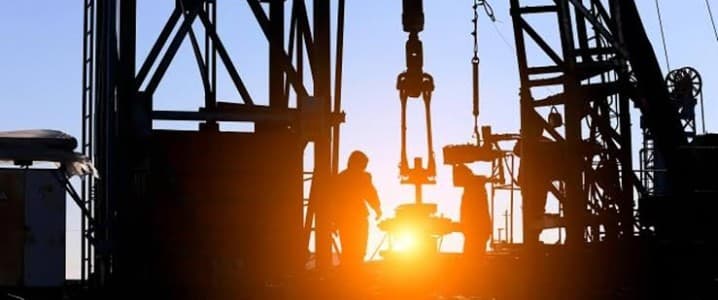
Egypt is making an assertive move to re-establish itself as a significant player in the global energy landscape, announcing an ambitious $5.7 billion investment to drill 480 new exploratory oil wells over the next five years. This strategic initiative signals Cairo’s strong commitment to reversing years of production decline and securing its long-term energy independence. With 101 of these wells already earmarked for 2026 across key producing regions, the plan represents a substantial pivot for a nation that recently grappled with energy debt and domestic supply shortages. For oil and gas investors, this aggressive expansion presents a compelling narrative, offering both significant upside potential and a close look at the challenges inherent in large-scale frontier exploration.
Strategic Re-Entry and International Partnerships
This multi-billion-dollar drilling program is not occurring in a vacuum; it’s part of a broader strategy to attract international capital and expertise. Egypt has been actively forging new exploration deals with industry giants like BP and Eni, specifically targeting the Mediterranean basin in hopes of replicating the success of the prolific Zohr gas field. While Zohr’s production profile is maturing, the continued interest from major integrated energy companies underscores the perceived geological potential of Egypt’s offshore and onshore acreage. Beyond new drilling, the nation is simultaneously advancing a $7 billion petrochemical complex in New Alamein and conducting new exploration block auctions in promising areas such as the Western Desert and Gulf of Suez. These combined efforts aim to signal to the international investment community that Egypt is not just open for business but is creating a stable and attractive environment for long-term energy development. This proactive stance marks a significant turnaround from a period where the country faced rolling blackouts and a substantial $6 billion energy debt; recent months have seen production edge upwards, easing import bills and allowing Egypt to pay down $1 billion in arrears to its international partners.
Navigating a Volatile Market: Investor Sentiment and Crude Dynamics
Egypt’s ambitious plans are unfolding against a backdrop of considerable volatility in the global crude oil market. As of today, Brent crude trades at $90.38 per barrel, experiencing a sharp 9.07% decline within the trading day, with WTI crude similarly affected at $82.59, down 9.41%. This immediate downturn follows a significant retreat over the past two weeks, where Brent has shed nearly 20% of its value, falling from $112.78 on March 30th. Such rapid price movements naturally heighten investor caution, especially concerning the long lead times and substantial capital commitments required for projects like Egypt’s 480-well program. Our proprietary reader intent data reveals that many investors are keenly focused on the trajectory of crude oil prices, particularly “what do you predict the price of oil per barrel will be by end of 2026?” This question directly impacts the profitability and attractiveness of new upstream ventures. While the current market correction could make capital allocation more challenging, successful execution of these drilling plans could position Egypt to capitalize on future price recoveries, especially given the anticipated ramp-up of new production starting in 2026.
Upcoming Events and the Global Supply Picture
The success of Egypt’s strategy, and indeed the broader oil market, will be significantly shaped by key upcoming events. Investors are closely monitoring the OPEC+ Joint Ministerial Monitoring Committee (JMMC) Meeting on April 19th, followed by the full OPEC+ Ministerial Meeting on April 20th. These gatherings are crucial for insights into “OPEC+ current production quotas” – another top question from our readers – and how major producers might react to current market dynamics. Any decisions regarding supply adjustments will have a direct bearing on the price environment Egypt’s new crude production will enter. Additionally, weekly data releases such as the API Weekly Crude Inventory reports (April 21st, 28th) and the EIA Weekly Petroleum Status Reports (April 22nd, 29th) will provide critical snapshots of U.S. supply and demand, influencing short-term market sentiment. From a drilling activity perspective, the Baker Hughes Rig Count reports on April 24th and May 1st will offer global context for Egypt’s aggressive rig deployment strategy, indicating overall industry confidence and investment levels in new production. These events collectively paint a picture of a dynamic market where Egypt’s increased output, if successful, could become a notable factor in the non-OPEC supply equation.
The Path Forward: Opportunities and Execution Risks
Egypt’s ambitious oil exploration program offers a compelling growth story for investors, but it also comes with inherent risks. While the country has demonstrated a renewed commitment to fiscal stability and attracting foreign investment, challenges remain. Domestic energy demand continues to rise, potentially offsetting some of the increased production intended for export. Furthermore, the lingering currency crisis could impact the cost of imported equipment and repatriated profits for international partners. The key to unlocking the full potential of this $5.7 billion investment lies squarely in execution. Delivering on even a significant portion of the 480 new wells, securing the necessary capital, and efficiently bringing new discoveries online will be paramount. Should Egypt successfully navigate these complexities and consistently deliver on its drilling ambitions, it stands to emerge as a revitalized energy powerhouse in North Africa, offering substantial opportunities for those willing to invest in its evolving oil and gas renaissance.


