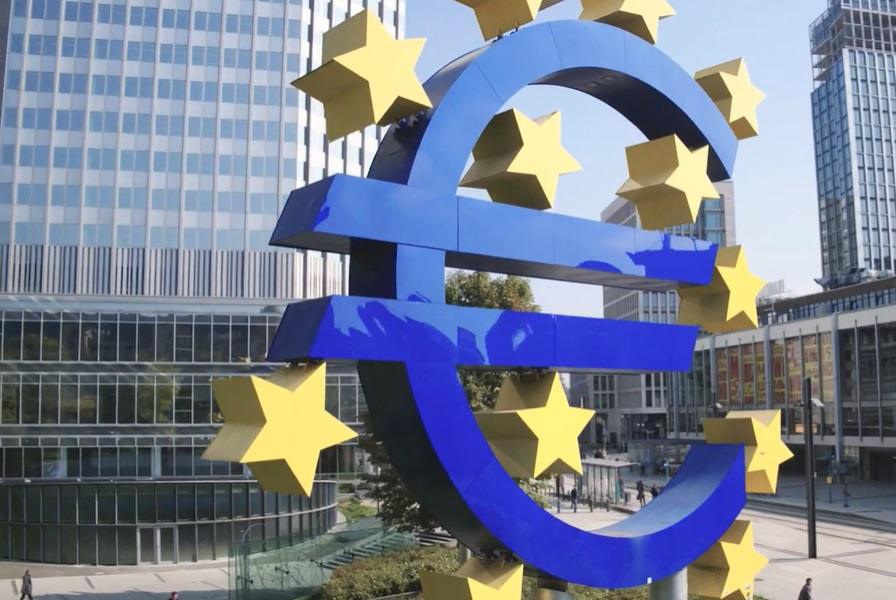
The European Central Bank (ECB) is poised to fundamentally recalibrate how climate-related transition risks are integrated into its core financial operations, a move with profound implications for the energy sector, particularly oil and gas. By introducing a new “climate factor” within its collateral framework, the Eurosystem is signaling a significant shift in asset valuation, directly impacting the lending landscape for companies exposed to the transition to a low-carbon economy. This initiative, slated for implementation in the second half of 2026, extends beyond mere rhetoric; it represents a tangible financial mechanism designed to protect the Eurosystem balance sheet from potential losses arising from climate-related shocks. For oil and gas investors, this translates into a heightened focus on long-term capital costs, asset revaluation, and the financial viability of carbon-intensive operations within the EU’s economic orbit.
The ECB’s Climate Factor: Reshaping Collateral Value
At its core, the ECB’s new climate factor aims to adjust the value assigned to assets pledged as collateral by counterparties in the Eurosystem’s refinancing operations. This adjustment will be based on an “uncertainty score,” a comprehensive metric composed of sector-level data, an issuer-specific exposure assessment, and an asset-specific vulnerability analysis. The explicit goal is to protect against a potential decline in collateral value in the event of adverse climate-related transition shocks. For non-financial corporations, especially those in carbon-intensive sectors, this means assets previously deemed stable collateral may face reduced valuations, consequently lowering the amount the Eurosystem would be willing to lend against them. This follows extensive climate stress tests on the Eurosystem balance sheet, which underscored the direct link between climate change uncertainties and potential financial losses for the central banking system. The phased introduction of this factor by H2 2026 provides a runway, but the direction of travel is clear: climate risk is now a quantifiable financial liability.
Market Volatility Meets Structural Shifts: Investor Focus
While the ECB’s climate factor is a structural adjustment with a mid-2026 implementation target, it adds another layer of long-term uncertainty to a market already characterized by significant short-term volatility. As of today, Brent Crude trades at $90.38 per barrel, reflecting a sharp 9.07% decline within the day, with its range spanning $86.08 to $98.97. Similarly, WTI Crude has seen a 9.41% drop, settling at $82.59. This daily downturn extends a broader trend, with Brent having fallen from $112.78 on March 30th to $91.87 just yesterday, marking an 18.5% depreciation in little over two weeks. Such price swings underscore the inherent risks in the energy sector, making the ECB’s move to de-risk its balance sheet from climate exposure particularly salient. Investors are keenly watching these dynamics, with many asking about the trajectory of crude prices through the end of 2026 – a period when the ECB’s new policy will be fully operational. The immediate focus on specific company performance, such as questions regarding Repsol’s potential performance in April 2026, highlights how investors are trying to reconcile macro headwinds with individual corporate resilience.
Forward Outlook: Financing, Asset Values, and Upcoming Events
The introduction of the climate factor will inevitably reshape the financing landscape for oil and gas companies operating within the Eurozone. Access to capital, particularly for projects with high transition risk exposure, is likely to become more expensive or restricted. This isn’t just about direct ECB lending; it influences the broader financial ecosystem, as commercial banks will also likely adjust their own risk models in anticipation of the central bank’s stance. Assets, from upstream reserves to refining infrastructure, will face a re-evaluation based on their vulnerability to a low-carbon transition, potentially leading to impairments or lower collateral values. This long-term pressure comes amidst critical short-term market dynamics. The upcoming OPEC+ Ministerial Meeting, scheduled for tomorrow, April 19th, will be closely watched for any adjustments to production quotas, a key determinant of near-term supply and price stability. Additionally, the regular API and EIA weekly inventory reports, due on April 21st and 22nd respectively, and the Baker Hughes Rig Count on April 24th, will provide crucial insights into current supply-demand balances and drilling activity. While these events drive immediate market sentiment, the ECB’s policy lays a foundational challenge, demanding that companies consider not just today’s output, but the long-term bankability of their assets under evolving climate finance rules. Investors are also seeking clarity on OPEC+ current production quotas, reflecting the direct link between supply management and the financial health of producers facing these new structural hurdles.
Navigating the Transition: Strategies for Oil & Gas Investors
For astute oil and gas investors, the ECB’s impending climate factor serves as a powerful signal to scrutinize portfolios for transition risk exposure. Companies with robust decarbonization strategies, diversified energy portfolios, or lower emissions intensity operations will likely fare better in this new financial paradigm. Investors should prioritize companies actively investing in carbon capture technologies, renewable energy projects, or those demonstrating clear pathways to reducing their Scope 1, 2, and increasingly, Scope 3 emissions. The ability to articulate and execute a credible transition plan will become a critical factor in maintaining access to competitive financing and preserving asset valuations. Furthermore, companies with significant European exposure, either through assets or financing arrangements, will feel the direct impact of this policy more acutely. This necessitates a thorough due diligence process that extends beyond traditional financial metrics to encompass comprehensive climate risk assessments. The period leading up to the H2 2026 implementation is not merely a waiting game; it’s an active window for strategic repositioning, demanding proactive engagement with climate-aligned financial frameworks to ensure long-term value preservation in a carbon-constrained world.


