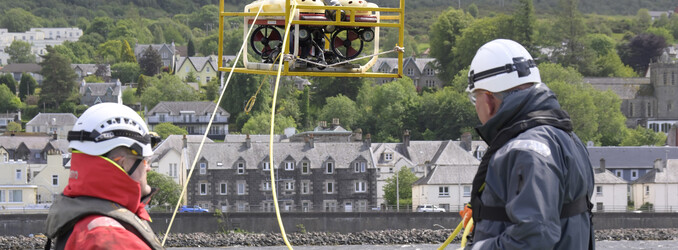
The global energy landscape is undergoing a profound transformation, placing unprecedented demands on specialized sectors like subsea engineering and operations. Against this backdrop, DRIFT Offshore has announced a strategic partnership with UHI North, West and Hebrides, signaling a proactive move to fortify the subsea industry’s human capital. This collaboration, focused on developing and delivering critical training for remotely operated vehicles (ROVs), trenching, and other essential subsea equipment, directly addresses a widely acknowledged skills deficit. For investors, this initiative is more than just a training program; it represents a crucial investment in the operational resilience, project delivery capabilities, and long-term growth potential of the offshore energy sector, encompassing both traditional hydrocarbons and the burgeoning renewables segment.
Addressing the Subsea Skills Gap: An Industry Imperative
The subsea sector operates at the forefront of energy extraction and infrastructure development, navigating increasingly complex and challenging environments. The specialized nature of this work, from deepwater exploration to offshore wind farm installation and maintenance, necessitates a highly skilled workforce. However, the industry has faced a persistent shortage of competent personnel, a challenge exacerbated by an aging workforce and the rapid evolution of technology. DRIFT Offshore’s partnership with UHI North, West and Hebrides directly targets this critical bottleneck. By developing an introductory training course focused on ROV operations, trenching, and other subsea equipment, the initiative aims to cultivate a robust pipeline of new talent. This isn’t merely about filling jobs; it’s about ensuring the safe, efficient, and timely execution of offshore projects globally. For investors, the availability of skilled labor directly impacts project timelines, cost efficiencies, and ultimately, the profitability and risk profile of companies operating in the subsea domain. Companies that proactively invest in and support such training programs are inherently better positioned to capitalize on future growth opportunities and mitigate operational risks associated with a stretched workforce.
Market Dynamics and Subsea Sector Resilience Amid Volatility
While the broader crude market has experienced notable volatility recently, the strategic importance of the subsea sector remains undiminished. As of today, Brent Crude trades at $90.38, reflecting a significant 9.07% decline within the day, with WTI Crude similarly affected at $82.59, down 9.41%. This intraday fluctuation, compounded by a 14-day trend showing Brent dropping from $112.78 to $91.87, highlights the inherent unpredictability in global energy pricing. However, the subsea industry often operates on longer investment cycles, driven by multi-year project developments rather than daily price swings. The demand for skilled subsea personnel persists regardless of short-term crude price movements, largely due to the continuous need for maintaining existing subsea infrastructure, developing new fields, and critically, supporting the rapid expansion of offshore renewable energy projects. Companies like those DRIFT Offshore serves require a consistent supply of qualified individuals to manage complex underwater operations, ensuring assets remain productive and new energy solutions come online. This initiative strengthens the foundational human capital required for sustained subsea activity, offering a degree of resilience against broader market fluctuations.
Forward-Looking Opportunities and Upcoming Catalysts
The strategic investment in subsea training, as exemplified by DRIFT Offshore’s new partnership, positions the industry to capitalize on future demand cycles, which are often influenced by key upcoming events. With the OPEC+ Joint Ministerial Monitoring Committee (JMMC) meeting scheduled for April 18th and the full Ministerial Meeting on April 19th, potential adjustments to production quotas could reshape upstream investment strategies. While such decisions primarily impact crude supply, the efficient and cost-effective execution of subsea projects becomes even more paramount for producers seeking to optimize output within any given quota. Similarly, the upcoming API and EIA weekly crude inventory reports on April 21st/22nd and April 28th/29th, alongside the Baker Hughes Rig Count on April 24th and May 1st, provide critical insights into drilling activity and market supply-demand balances. An increase in rig counts or an anticipated tightening of supply could spur further investment in offshore exploration and production, directly translating to demand for subsea services. Companies with a ready pool of skilled ROV operators and subsea technicians, bolstered by initiatives like DRIFT’s, will be better equipped to bid for and execute these projects efficiently, improving their competitive edge and investor appeal. This forward-looking perspective highlights how human capital development is a prerequisite for realizing the potential opportunities presented by these market catalysts.
Investor Sentiment and Strategic Implications for Offshore Services
Our proprietary reader intent data reveals a keen investor focus on long-term oil price predictions, with questions like “what do you predict the price of oil per barrel will be by end of 2026?” frequently surfacing. While specific price forecasts are challenging, the underlying strategic value of the subsea sector is less about daily price volatility and more about the fundamental need for energy infrastructure development and maintenance. The ability to efficiently deploy technology and human expertise in challenging offshore environments provides a stable, long-term revenue stream for service providers. Furthermore, investor inquiries regarding “OPEC+ current production quotas” underscore the importance of operational efficiency within a constrained supply environment. For companies operating in the subsea space, a highly skilled workforce, developed through partnerships like DRIFT’s, translates directly into reduced project risks, enhanced safety records, and improved project delivery times – all factors that significantly impact investor confidence and company valuations. This strategic focus on human capital not only strengthens DRIFT Offshore’s position as a specialist provider but also signals to the broader market that the subsea industry is proactively addressing its foundational challenges, making it a more attractive area for long-term investment. Companies that invest in the holistic development of their workforce, from entry-level to experienced personnel, demonstrate a commitment to sustainability and resilience that resonates deeply with discerning investors seeking stable returns in the dynamic energy sector.


