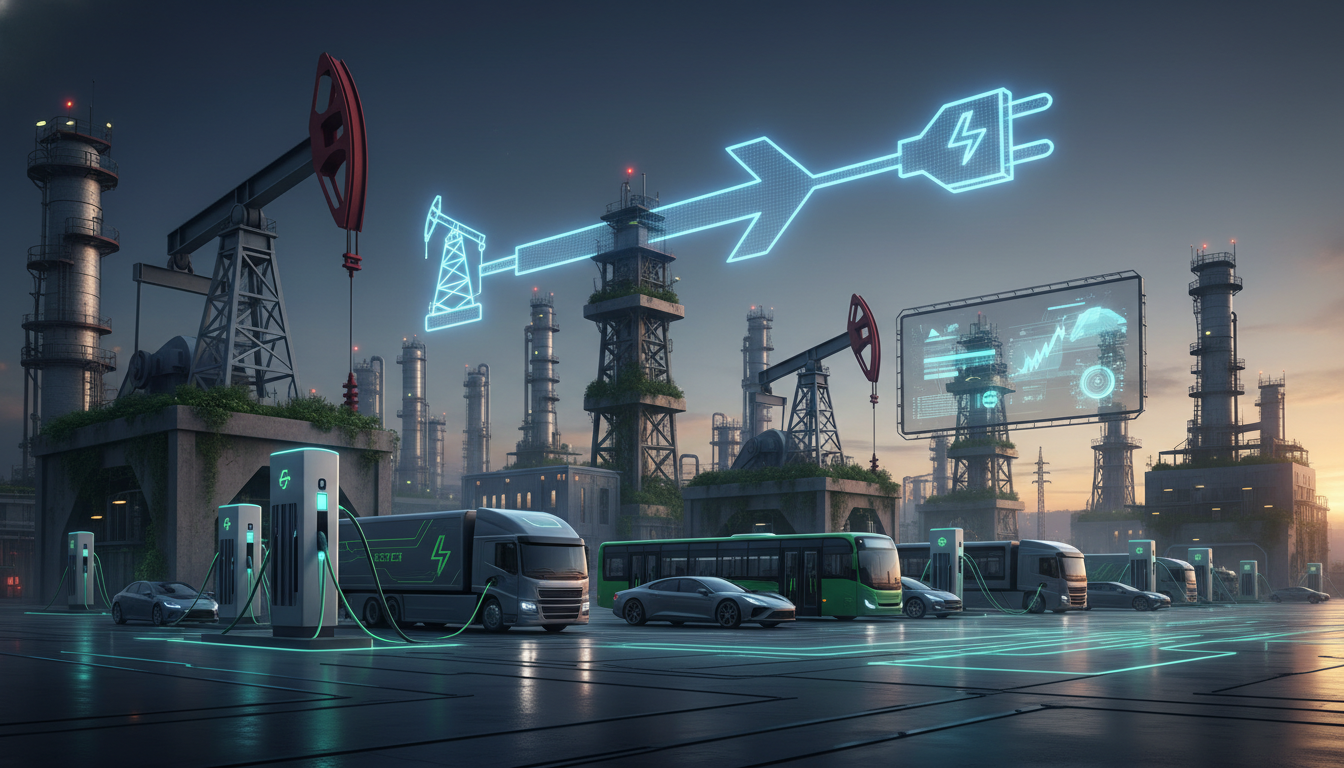
In a significant strategic move echoing the broader energy transition, German mobility services giant DKV Mobility has cemented its position in the rapidly expanding electric vehicle (EV) charging sector with the full acquisition of Belgian e-mobility platform provider, Optimile. This transaction underscores a pivotal shift in focus for companies traditionally rooted in fossil fuel logistics and signals a clear path for diversification that energy investors are closely watching. While the financial specifics of the deal remain confidential, the implications for DKV Mobility’s market footprint and the evolving energy infrastructure landscape are substantial.
Strategic Diversification: DKV Mobility Embraces E-Mobility
DKV Mobility, a prominent player in fleet services and fuel card solutions across Europe, has actively pursued a robust e-mobility strategy, recognizing the imperative to adapt to changing transportation demands. The complete takeover of Optimile, a Ghent-based innovator founded in 2016, represents a critical advancement in this diversification effort. Optimile operates a sophisticated Software-as-a-Service (SaaS) platform tailored for E-Mobility Service Providers (EMSPs) and Charge Point Operators (CPOs), offering essential functionalities such as authorization, monitoring, access management, and seamless pan-European roaming for charging infrastructure. This acquisition enables DKV Mobility to integrate advanced technological capabilities, significantly bolstering its end-to-end e-mobility solution offerings.
The deal saw DKV Mobility secure the shares previously held by financial heavyweights BNP Paribas Fortis and AG Insurance. For Optimile, this transition ensures continuity for its operations and customer base while unlocking expanded resources crucial for accelerating platform development and reinforcing its strong market standing. This strategic alignment underscores a trend where established infrastructure providers are aggressively investing in new energy platforms, reshaping the competitive landscape for traditional energy businesses and creating new opportunities for growth capital.
Scaling Up: A New Era for Charging Infrastructure Management
With Optimile fully integrated, DKV Mobility now boasts an impressive operational scale, managing approximately 1.5 million charging cards and tokens. More critically, the company oversees over 260,000 charging points directly, with 112,000 of these being publicly accessible. This significant expansion builds upon DKV Mobility’s existing robust roaming network, which already provided access to over 1.1 million charging points across Europe as of last year. For investors monitoring the energy sector’s pivot, these figures highlight a concerted effort by DKV Mobility to become a dominant force in the physical and digital infrastructure of the electric vehicle ecosystem, moving beyond its traditional role as a fuel card provider.
Sebastian Klauke, CEO of DKV Mobility, emphasized the strategic imperative behind this move: “E-mobility is a key growth driver for DKV Mobility. By expanding our technology and service capabilities through Optimile, we significantly strengthen our platform strategy and our ability to deliver integrated, end-to-end e-mobility solutions that reduce complexity for our customers across the entire value chain.” This statement signals a clear intent to capitalize on the increasing electrification of commercial and private fleets, a market segment where DKV Mobility has deep-rooted customer relationships.
Belgium: A Hotbed for EV Investment and Innovation
The choice of Optimile, a “leading player in the Belgian e-mobility market,” is no coincidence. Sven Mehringer, Managing Director for Energy & Vehicle Services at DKV Mobility, highlighted Belgium’s position as one of Europe’s most dynamic and fastest-growing e-mobility markets. This environment provides an ideal backdrop for innovation and expansion in charging technology.
Belgium has emerged as a significant player in the European EV landscape, driven by targeted incentives, particularly within the lucrative company car sector—a segment central to DKV Mobility’s core customer base. First-quarter statistics reveal Belgium registered 39,469 new battery-electric cars. While trailing major markets like Germany and France, this performance significantly outpaced countries such as Italy (38,084), Denmark (34,970), and Spain (27,226), underscoring the market’s robust momentum. This sustained growth, especially in fleet electrification, presents a fertile ground for Optimile’s platform business, which is the primary focus of DKV Mobility’s acquisition rather than Optimile’s Mobiflow end-customer brand.
Implications for Energy Investors: The Shifting Paradigm
For investors focused on the energy sector, DKV Mobility’s acquisition of Optimile serves as a powerful indicator of the accelerating energy transition and the strategic pivots companies are undertaking. This is not merely an expansion into a new vertical; it represents a fundamental re-evaluation of long-term business models in a world increasingly moving beyond fossil fuels. Traditional fuel providers and logistics companies are leveraging their existing customer networks and infrastructure expertise to build commanding positions in the new energy economy.
The undisclosed purchase price, while keeping the immediate financial details opaque, suggests a valuation that aligns with the high growth potential and strategic importance of e-mobility platforms. This kind of investment highlights how critical software and network capabilities are becoming in the energy sector, enabling efficient management and monetization of distributed energy resources. Investors should view such acquisitions as essential steps in future-proofing energy portfolios, indicating a broader trend where adaptability and technological integration will define market leadership. As fleet electrification gains undeniable traction, companies like DKV Mobility are actively shaping the charging infrastructure that will underpin the next generation of transportation, directly impacting the long-term investment landscape for all energy-related assets.


