Energy Security in Transition: A Paradigm Shift for Oil & Gas Investors
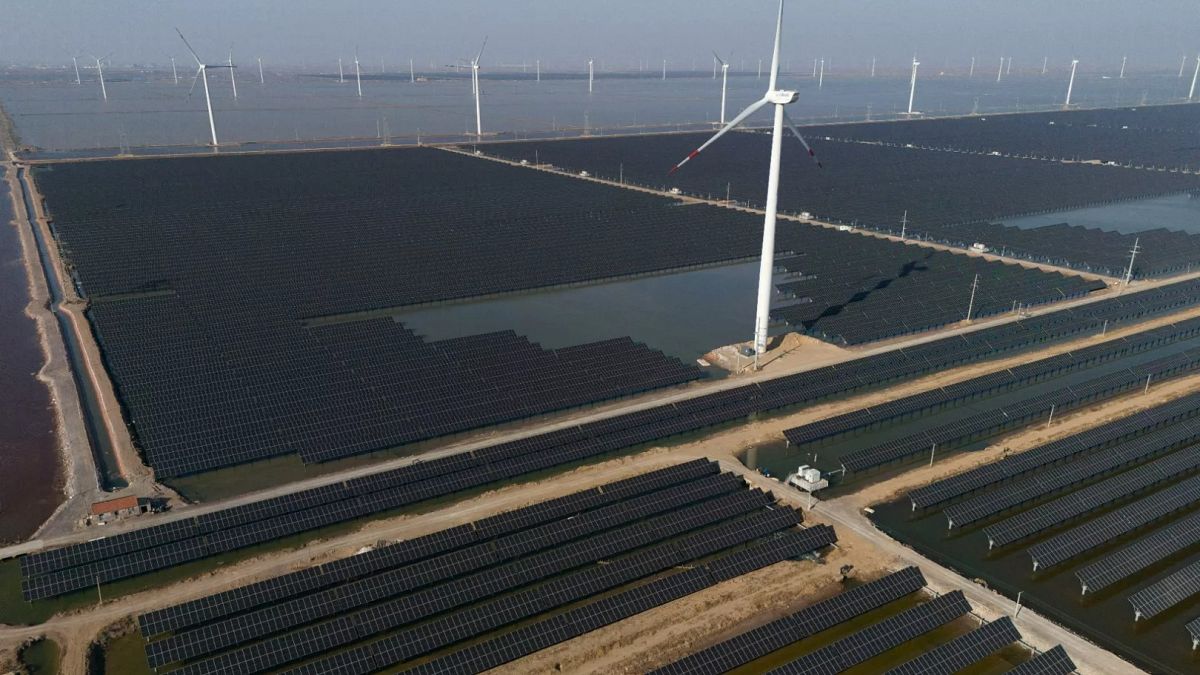
The bedrock assumptions underpinning global energy security are undergoing a profound re-evaluation, presenting both challenges and opportunities for the oil and gas sector and its investors. A recent comprehensive academic inquiry posits a compelling, even counterintuitive, conclusion: a worldwide strategic pivot towards clean energy systems by 2060 could, for the majority of nations, significantly enhance energy security rather than erode it. Furthermore, this transition pathway holds the potential to substantially mitigate associated trade-related vulnerabilities. This finding directly confronts long-held tenets within the energy industry, compelling investors to critically assess the far-reaching implications for commodity markets, geopolitical strategies, and the long-term valuation trajectories of energy assets.
For decades, energy security has been synonymous with safeguarding access to affordable and reliable fossil fuel supplies. However, as the global economy accelerates its decarbonization efforts, this definition is rapidly evolving. The study’s insights suggest that a future less reliant on hydrocarbons might actually reduce national exposure to volatile global oil and gas markets, instead fostering greater domestic energy independence through renewable sources. This shift demands that investors recalibrate their risk models and explore new avenues for capital allocation within a transforming energy landscape. Equity holders in major integrated oil companies, for instance, must scrutinize how these firms are adapting their portfolios and investment strategies to navigate a world where traditional energy security paradigms are being upended.
The Geopolitical Rebalancing Act: From Hydrocarbons to Critical Minerals
The energy transition is far more than a mere substitution of one fuel source for another; it represents a fundamental recalibration of global power dynamics tied to resource control. Historically, the geopolitics of energy have revolved around a concentrated cohort of major oil and gas-producing nations, whose influence on global affairs and commodity prices has been undeniable. Today, however, a new resource race is unfolding – one driven by the urgent need to construct the vast infrastructure required for a zero-emission future.
The new strategic commodities are no longer solely crude oil and natural gas, but rather a suite of critical minerals essential for clean energy technologies. Lithium, indispensable for batteries; nickel, vital for electric vehicle power; cobalt, crucial for energy storage; copper, the backbone of electrification; and various rare earth elements, fundamental to wind turbines and advanced electronics, are now at the forefront of this global scramble. The geographical distribution of these prized critical mineral reserves stands in stark contrast to the historical concentration of major fossil fuel deposits. A significant portion of these vital materials is found in the Global South, a departure from the traditional energy powerhouses.
This dramatic geographical realignment signals a substantial reshaping of global energy geopolitics and international trade flows. For investors, this translates into a new set of considerations: opportunities in mineral-rich developing nations, potential supply chain vulnerabilities for manufacturing hubs, and the emergence of new strategic alliances. Oil and gas companies, accustomed to managing complex international supply chains, may find themselves needing to adapt or diversify into these new resource territories to maintain relevance and secure future growth. Understanding the financial implications of this shift – from commodity price volatility in critical minerals to the capital expenditure required for new mining and processing infrastructure – is paramount for informed investment decisions across the energy value chain.
Quantifying Future Energy Security: A Data-Driven Perspective
To provide a robust assessment of this evolving landscape, the research employed a rigorous analytical framework. Scientists meticulously evaluated each nation’s prospective vulnerabilities along a decarbonization trajectory, contrasting these with the inherent risks associated with an enduring reliance on conventional fossil fuels. The foundation of this analysis was an exceptionally comprehensive database, encompassing reserves of traditional energy sources such as oil, natural gas, coal, and uranium, alongside biofuels, and critically, 16 essential materials vital for advanced clean energy technologies.
Beyond simply cataloging reserves, the study meticulously mapped the intricate trade flows of these diverse resources across countries. Leveraging this extensive dataset, researchers then projected the resource requirements needed to satisfy energy demand across 236 distinct countries. This projection was conducted under an impressive 1,092 distinct scenarios, each designed to achieve net-zero carbon emissions globally by the year 2060. These scenarios were carefully constructed to reflect varying degrees of reliance on different clean energy pathways, including scenarios favoring nuclear energy, extensive solar power deployment, or widespread wind energy integration. This multi-scenario approach offers invaluable insights into the resilience and security implications of different technological mixes, providing a nuanced view for investors weighing opportunities in specific clean energy sub-sectors and their associated commodity inputs.
To objectively quantify energy security, the research team innovated a sophisticated ‘trade risk index.’ This analytical tool integrated several pivotal factors directly impacting a nation’s energy independence and resilience. Key components of this index included the availability of domestic energy reserves, indicating a country’s intrinsic capacity to meet its own energy needs. Crucially, it also accounted for the proportion of energy demand met by imports, highlighting external dependencies and potential points of geopolitical leverage. While the full scope of the index’s components extends further, these core metrics provide a clear lens through which to assess the strategic advantages and potential exposures countries face in a rapidly decarbonizing world. For investors, understanding how these metrics shift under different transition scenarios is vital for forecasting sovereign risk, assessing the stability of energy markets, and identifying long-term growth opportunities in both traditional and emerging energy sectors. The implications for O&G companies are clear: adapting to these new risk profiles and embracing diversified energy solutions will be key to sustainable profitability and investor confidence.