The strategic landscape for oil and gas continues to evolve rapidly, pushing companies to not only optimize operational efficiency but also to navigate an increasingly complex web of regulatory compliance and environmental, social, and governance (ESG) expectations. Against this backdrop, the recent announcement of Diginex’s acquisition of Findings for up to $305 million—comprising $270 million in shares and up to $35 million in cash, with $20 million contingent on earn-out targets—marks a significant move in the RegTech space. This transaction is poised to profoundly bolster Diginex’s technological and cybersecurity capabilities, particularly within supply chain risk monitoring, an area of critical importance for the energy sector.
Strengthening the ESG and Supply Chain Resilience Imperative
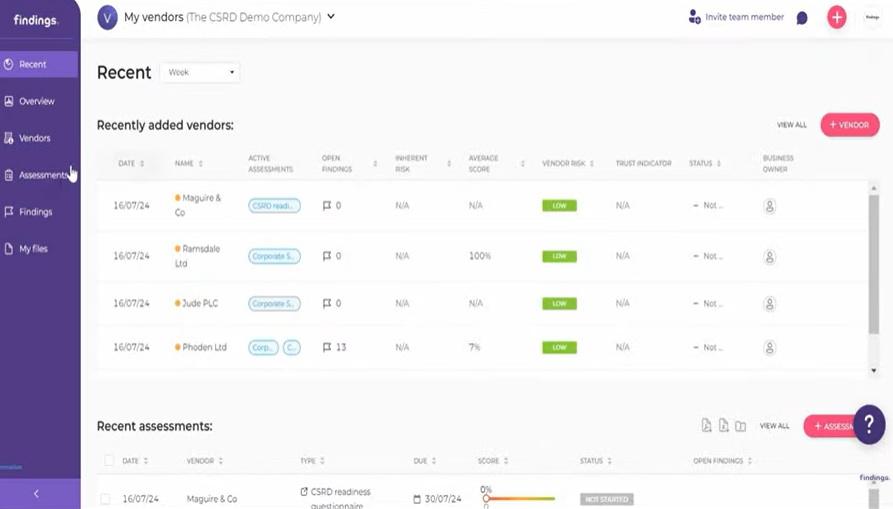
Diginex, a prominent sustainability RegTech firm, is set to integrate Findings’ cutting-edge solutions, which include AI vendor risk management (VRM), real-time cloud audits and monitoring, alongside API-based verification automation and secure data sharing. Findings, established in 2018, brings a specialized focus on providing granular visibility into cybersecurity, ESG performance, and compliance readiness across company supply chains. For oil and gas companies, whose operations are inherently global and often involve intricate, multi-tiered supply networks, this integration offers a vital pathway to enhanced transparency and risk mitigation. The synergy between Diginex’s existing strengths in blockchain, AI, machine learning, and data analysis for ESG and climate data reporting, combined with Findings’ expertise, creates a formidable platform. This consolidation directly addresses the growing investor and regulatory demands for verifiable ESG data, robust supply chain integrity, and proactive cybersecurity defenses, all of which are non-negotiable for maintaining operational licenses and market credibility in the energy sector.
Navigating Volatile Markets with Strategic Tech Investments
In a market environment characterized by significant price fluctuations, strategic long-term investments in foundational technology become even more critical. As of today, Brent Crude trades at $90.38, reflecting a substantial 9.07% decline within the day, having ranged between $86.08 and $98.97. Similarly, WTI Crude stands at $82.59, down 9.41% from its open, with a day range of $78.97-$90.34. This intraday volatility follows a more pronounced trend, with Brent having dropped from $112.78 on March 30th to $91.87 just yesterday, representing an 18.5% decrease over 14 days. Gasoline prices have also seen a dip, currently at $2.93, down 5.18%. While these immediate price movements are driven by complex supply-demand dynamics and geopolitical factors, they underscore the need for oil and gas companies to solidify their operational foundations. Investing in advanced ESG and cybersecurity RegTech, such as the combined offering from Diginex and Findings, represents a strategic hedge against market unpredictability. It ensures that regardless of commodity price cycles, companies can maintain compliance, reduce operational risks, and attract capital from an investor base increasingly prioritizing non-financial performance metrics. This is not merely an expense but an investment in future resilience and market access.
Addressing Investor Focus: Data, Cybersecurity, and Performance
Our proprietary reader intent data reveals a keen investor interest in the underlying data and analytical capabilities driving market insights, alongside concerns about specific company performance and broader market forecasts. Questions like “What data sources does EnerGPT use? What APIs or feeds power your market data?” highlight a sophisticated understanding among investors that robust, verifiable data is paramount. Similarly, inquiries such as “How well do you think Repsol will end in April 2026” point to a direct interest in individual company performance, which is inextricably linked to operational integrity, risk management, and compliance. The Diginex-Findings acquisition directly addresses these concerns. Findings’ expertise in AI vendor risk management and real-time cloud audits provides the kind of granular, verifiable data that investors demand for assessing a company’s true risk profile and ESG adherence. For the oil and gas industry, where supply chains can be vulnerable to cyber threats and geopolitical disruptions, enhanced cybersecurity and compliance automation are not just good practice but essential for safeguarding assets and maintaining investor confidence. This strategic move by Diginex provides tools that allow energy firms to demonstrate accountability and transparency, directly impacting their perceived value and long-term viability in the eyes of discerning investors.
Upcoming Events and the Enduring Value Proposition of ESG Tech
The immediate horizon for the energy markets is punctuated by a series of key events that will undoubtedly influence short-term price action. We anticipate the OPEC+ Joint Ministerial Monitoring Committee (JMMC) meeting today, April 18th, followed by the full Ministerial Meeting tomorrow, April 19th. These gatherings often dictate market sentiment regarding supply. Further out, we’ll see the API Weekly Crude Inventory on April 21st, the EIA Weekly Petroleum Status Report on April 22nd, and the Baker Hughes Rig Count on April 24th, with subsequent reports on April 28th, 29th, and May 1st. While these events are crucial for understanding the immediate supply-demand picture and production trends, the strategic investment by Diginex transcends these short-term catalysts. The demand for robust ESG reporting, supply chain due diligence, and advanced cybersecurity in the oil and gas sector is a long-term, structural trend. Regardless of OPEC+ output decisions or weekly inventory fluctuations, the regulatory landscape will continue to tighten, and stakeholder expectations for sustainability and ethical operations will only intensify. This acquisition positions Diginex to offer unparalleled solutions that help energy companies navigate this enduring shift, ensuring that their operations remain compliant, secure, and attractive to a capital market increasingly focused on sustainable investment criteria.


