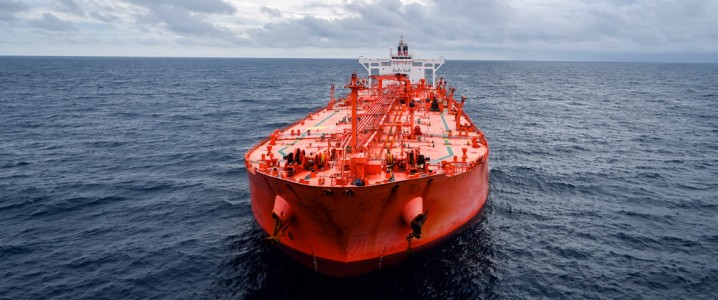
The geopolitical chessboard of global oil supply has seen a significant new move from Denmark, as the nation intensifies inspections on oil tankers navigating its critical straits. These waters, serving as the gateway to and from the Baltic Sea, are a crucial conduit for Russia’s oil exports, particularly those carried by its burgeoning “shadow fleet.” This proactive stance by Danish authorities, citing environmental risks posed by aging vessels, introduces a fresh layer of uncertainty into an already complex energy market. For investors, understanding the implications of these heightened controls — from potential supply disruptions to ripple effects on global prices and shipping logistics — is paramount in navigating the evolving landscape of oil and gas investments.
Denmark’s Intensified Scrutiny and the Shadow Fleet Challenge
Denmark’s Environment Ministry has confirmed a significant ramp-up in environmental checks on older tankers traversing its strategic waterways. This initiative directly targets the so-called shadow fleet, a growing armada of often decrepit vessels ferrying Russian crude out of Baltic ports, primarily destined for markets in China and India. Moscow’s pivot to non-Western markets, following bans from the EU and UK, has necessitated reliance on these older ships, which frequently operate outside the framework of Western insurance and financing unless crude is priced below G7 caps. Environment Minister Magnus Heunicke highlighted the “particular risk to our marine environment” posed by this increased traffic of older vessels, signaling a commitment to “more effective and consistent action” against such tankers. Industry Minister Morten Bødskov reinforced the broader objective, stating, “We must put an end to Putin’s war machine,” underscoring the dual environmental and geopolitical motivations behind these stricter controls. While hundreds of vessels have already been blacklisted by Western powers, Russia’s seaborne crude exports have remained robust, even reaching their highest level since May in September. The Danish move, however, represents a tangible escalation, potentially increasing operational costs, transit times, and the overall risk profile for Russian oil moving through this vital choke point.
Navigating Market Volatility Amidst New Supply Risks
The timing of Denmark’s intensified inspections adds a compelling dynamic to an already volatile crude market. As of today, Brent crude trades at $90.38, reflecting a sharp 9.07% decline within the day, with WTI crude similarly dropping to $82.59, down 9.41%. This significant daily downturn is part of a broader trend, as Brent has retreated by nearly 20% over the past two weeks, falling from $112.78 on March 30th. While broader demand concerns or macroeconomic headwinds may be driving this recent bearish sentiment, the new Danish controls introduce a fresh supply-side risk that warrants careful consideration from investors. Our proprietary reader intent data reveals a keen interest among investors in the future trajectory of oil prices, with many asking “what do you predict the price of oil per barrel will be by end of 2026?” and seeking clarity on “OPEC+ current production quotas.” The potential for disruptions to Russian oil flows, even if incremental, could tighten an otherwise softening market, creating a complex interplay between demand-side pressures and evolving supply-side constraints. Investors must now factor in the increased risk premium associated with Baltic Sea transit for Russian crude, a development that could provide a floor to prices or even contribute to a rebound should the inspections prove disruptive.
Forward-Looking Analysis: Geopolitical Chess and Upcoming Energy Events
The repercussions of Denmark’s actions will undoubtedly be a key consideration in the coming weeks, particularly as we approach critical energy events. The most significant of these is the OPEC+ Meeting scheduled for April 19th. Given the recent substantial drop in crude prices, the decisions made by the full ministerial panel will be under intense scrutiny. Will the cartel maintain its current production quotas, or will the price erosion prompt discussions around further supply adjustments? This directly addresses the prevalent investor question regarding OPEC+’s current output strategy. Any significant disruption to Russian exports, even perceived, could strengthen the hand of those within OPEC+ advocating for continued supply discipline. Beyond the OPEC+ decision, market participants will closely watch the API Weekly Crude Inventory reports on April 21st and 28th, followed by the EIA Weekly Petroleum Status Reports on April 22nd and 29th. These data points will offer crucial insights into the immediate supply-demand balance in the U.S., providing context to the broader global market. Furthermore, the Baker Hughes Rig Count on April 24th and May 1st will indicate North American production trends. The Danish move is not an isolated incident; it’s a strategic maneuver in the ongoing geopolitical energy struggle, and its full impact will unfold against the backdrop of these scheduled market-moving events.
Investment Implications and Risk Assessment for Energy Portfolios
For energy investors, the heightened scrutiny in the Baltic Sea introduces several layers of risk and potential opportunity. Firstly, any tangible increase in the cost or difficulty of transporting Russian crude will likely contribute to a widening discount for Urals against Brent, impacting Russian export revenues. For companies involved in maritime shipping, particularly those with exposure to the shadow fleet, increased inspections translate to higher operational risks, potential detentions, and elevated insurance premiums – if insurance can be secured at all. This dynamic could inadvertently benefit compliant Western shipping firms, potentially increasing demand for their services on legitimate routes, or shift the focus towards alternative energy infrastructure if traditional oil logistics become too fraught. Furthermore, refiners in Asia, heavily reliant on discounted Russian crude, may face supply uncertainties or increased procurement costs if the Danish measures prove effective in throttling flows. Investors should assess their portfolio’s exposure to shipping companies, especially those with older fleets, and consider the potential for a tighter global crude market if these measures genuinely curtail Russian supply. This development underscores the persistent geopolitical risk inherent in oil investments and the need for agile portfolio management, adapting to both market fundamentals and policy-driven supply disruptions.


