

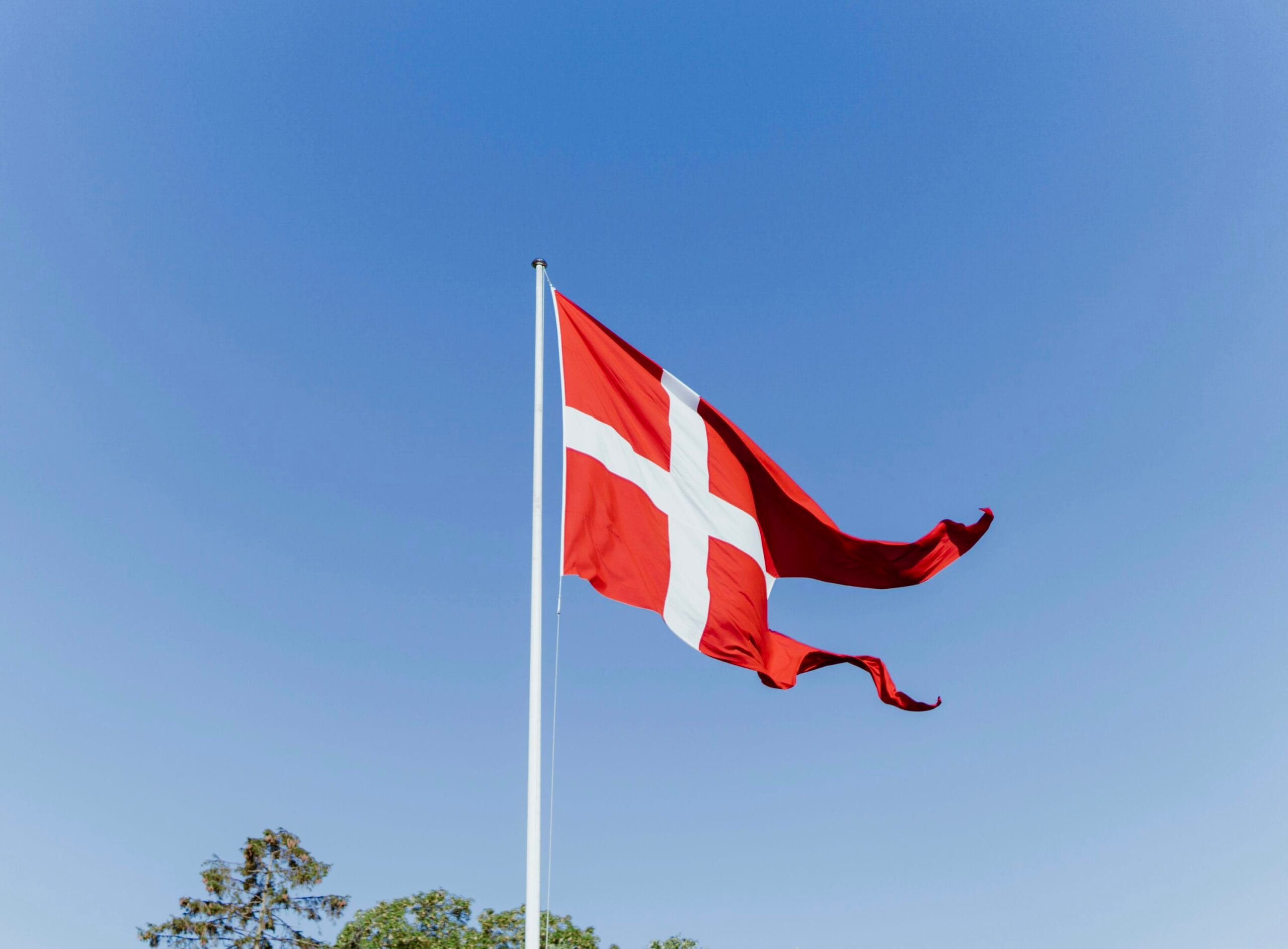
Denmark begins operating a permanent Aalborg–Copenhagen domestic route using a 40% blend of sustainable aviation fuel derived from used cooking oil.
The initiative is expected to cut approximately 3,000 tonnes of CO2 emissions annually while using existing aircraft and airport infrastructure.
The project advances Denmark’s green aviation strategy and highlights growing supply pressures around waste based SAF feedstocks.
Denmark has launched its first domestic flight route partially powered by sustainable aviation fuel produced from used cooking oil, marking a practical step in the country’s effort to decarbonize aviation while relying on fuels compatible with existing aircraft and airport infrastructure.
The Aalborg–Copenhagen service, operated by Norwegian Air Shuttle, now runs with a 40% blend of sustainable aviation fuel on all departures. Danish officials say the initiative represents the first permanent domestic route in Europe operating at that blend level.
The fuel is produced from recycled cooking oil collected from restaurants and food service operations. According to project estimates, the SAF blend will reduce carbon dioxide emissions on the route by roughly 3,000 tonnes per year compared with conventional jet fuel.
While modest in scale, the route is designed as a real-world test case for integrating waste-based fuels into regular commercial aviation operations.
Waste-Based SAF Gains Policy Support
The route forms part of Denmark’s national green aviation strategy, which aims to accelerate low-carbon aviation technologies through public investment and policy incentives. Government officials see waste-based fuels as an important near-term pathway for reducing emissions from existing aircraft fleets.
Unlike hydrogen or electric aviation technologies, which remain in early development, SAF can be used immediately in current jet engines when blended with conventional fuel.
Officials involved in the program emphasized that used cooking oil remains one of the most commercially mature feedstocks available for producing sustainable aviation fuel today. Its appeal lies in both its waste origin and the ability to integrate the resulting fuel directly into existing supply chains.
The Aalborg–Copenhagen route demonstrates how waste-derived fuels can be deployed without requiring modifications to aircraft engines, airport infrastructure, or fuel logistics systems.
Aviation Industry Faces SAF Supply Constraints
The launch also brings attention to a growing challenge confronting global aviation decarbonisation efforts: feedstock supply.
Used cooking oil has become one of the most widely used inputs for SAF production worldwide. However, the availability of the material is limited, and demand from airlines, fuel producers, and other industries continues to increase rapidly.
Supply constraints have already become a point of concern among policymakers and industry groups, particularly in Europe where governments are setting progressively higher mandates for SAF use in aviation.
Scaling production beyond waste oils will likely require new feedstocks and production technologies, including advanced biofuels derived from agricultural residues, municipal waste, and synthetic fuels produced using captured carbon and renewable electricity.
For now, projects like Denmark’s domestic SAF route demonstrate how existing waste streams can deliver immediate emissions reductions while the next generation of fuels is developed.
RELATED ARTICLE: Diginex Acquires Denmark’s Matter to Boost ESG Data Capabilities
Strategic Implications for Airlines and Investors
For airlines, the Danish initiative highlights both the opportunity and the challenge of near-term aviation decarbonisation.
Using waste-based SAF allows carriers to lower emissions without waiting for new aircraft technologies or major infrastructure upgrades. At the same time, the limited availability of feedstocks places pressure on supply chains and raises questions about cost and scalability.
Investors are increasingly watching the sector closely as governments across Europe and other regions introduce SAF blending mandates and financial incentives to stimulate production.
The Aalborg–Copenhagen route illustrates how policy support, airline participation, and fuel supply partnerships can combine to move sustainable aviation fuels from pilot projects into routine operations.
A Test Case for Europe’s Green Aviation Strategy
Denmark’s SAF-powered route arrives as European policymakers push for faster progress in reducing aviation emissions. The European Union has already adopted regulations requiring increasing SAF use across airports in the bloc over the coming decades.
Projects such as the Aalborg–Copenhagen service provide a practical model for how airlines and governments can begin integrating lower-carbon fuels into everyday operations.
If replicated across other domestic routes, waste-based SAF could deliver meaningful near-term emissions reductions while the aviation sector continues to invest in longer-term technologies.
For policymakers, the Danish project reinforces a central lesson emerging across global aviation: decarbonisation will depend not on a single breakthrough technology but on scaling a portfolio of solutions that can work within today’s infrastructure while building toward the next generation of sustainable flight.
Follow ESG News on LinkedIn
