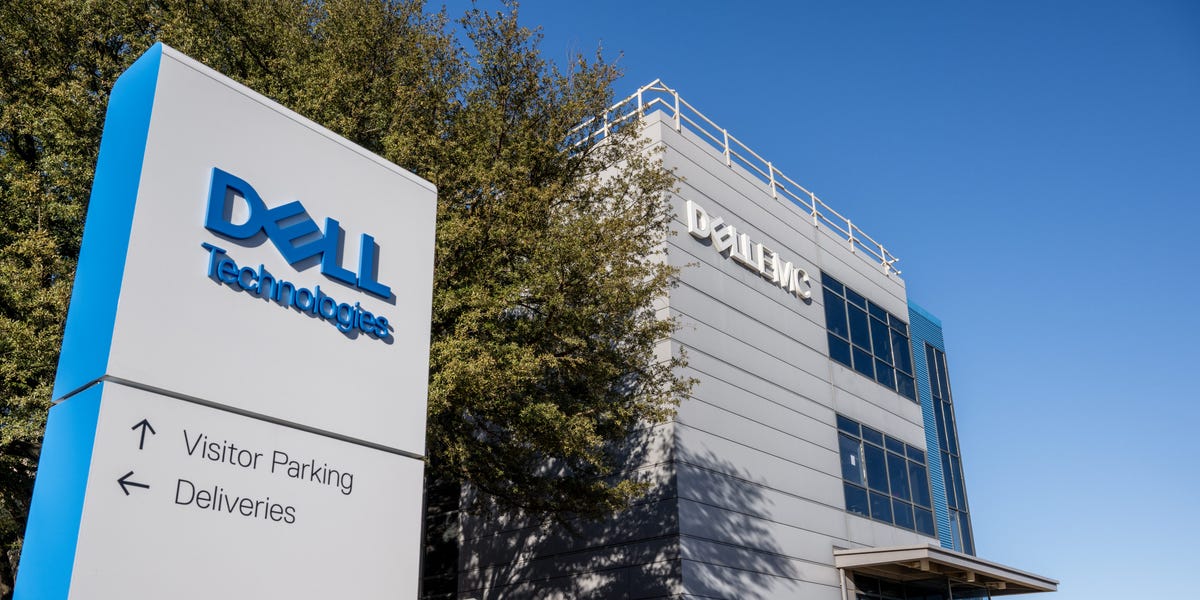
The global energy landscape is a complex interplay of supply dynamics, geopolitical shifts, and, increasingly, evolving work patterns. While headlines often focus on OPEC+ decisions or geopolitical tensions, a quiet but significant demand driver is gaining momentum: the corporate return-to-office (RTO) mandate. Dell’s latest move, requiring its sales teams in key hubs to be on-site five days a week, is a potent illustration of this trend, carrying tangible implications for localized fuel demand and, by extension, the broader oil market.
The Resurgence of Office Mandates and Fuel Consumption
Dell’s recent directive for its sales teams, specifically those based in Round Rock, Texas, Nashville, Tennessee, and Oklahoma City, Oklahoma, to report to their offices five days a week for at least eight hours daily, represents a firming stance in the corporate push for in-person work. This mandate, communicated via an internal email on November 5, underscores a renewed emphasis on physical presence, building on earlier, less strictly enforced policies. The company had initially instructed global sales teams to be on-site five days a week in September 2024, extending a similar order to the rest of its workforce in January 2025, which took effect in March. The latest reinforcement stems from observations of non-adherence, highlighting a persistent challenge for companies seeking to restore pre-pandemic work norms.
This isn’t an isolated incident; corporate behemoths like JPMorgan, Amazon, and Starbucks have already tightened their RTO policies, signaling a broader industry shift. For the oil and gas sector, this translates directly into increased commuter traffic, especially in dense urban and suburban corridors. Each additional day an employee spends in the office means more vehicle miles traveled, more gasoline consumed, and a gradual, cumulative upward pressure on demand for refined products. While the impact of a single company’s policy might seem negligible, the collective effect of numerous corporations moving in this direction can create a significant demand floor, particularly for gasoline.
Current Market Volatility vs. Underlying Demand Shifts
The immediate market sentiment currently points to caution. As of today, Brent crude trades at $90.38 per barrel, marking a notable 9.07% decline within the day’s range of $86.08 to $98.97. Similarly, WTI crude sits at $82.59, down 9.41% within its $78.97 to $90.34 range. Gasoline prices have also experienced a dip, currently at $2.93, a 5.18% decrease, having moved between $2.82 and $3.10. This bearish momentum isn’t new; Brent crude has shed approximately 18.5% over the past two weeks, dropping from $112.78 on March 30 to $91.87 just yesterday, indicating broader market concerns that have overshadowed potential demand catalysts.
However, this short-term volatility should not distract from the subtle, yet persistent, demand drivers emerging from RTO policies. While macroeconomic headwinds and supply-side concerns often dominate the narrative, the incremental increase in daily commutes from millions of workers returning to offices across major economic hubs represents a foundational demand component. Investors are keenly watching for signs of demand shifts, often asking about the end-of-year price outlook for oil and specific energy companies, acknowledging that myriad factors beyond the immediate spot market influence long-term valuations. The rising frequency of RTO mandates across various sectors, even amidst current price corrections, suggests a sustained undercurrent for fuel demand that analysts must factor into their models.
Forward-Looking Analysis: RTO Trends and Upcoming Catalysts
The cumulative effect of RTO mandates is poised to become more apparent in future energy reports, offering a potential counter-narrative to prevailing bearish trends. Looking ahead, the next two weeks are packed with critical events that will shape the market’s perception of both supply and demand. The OPEC+ Joint Ministerial Monitoring Committee (JMMC) meets tomorrow, April 18th, followed by the full Ministerial Meeting on April 19th. These gatherings are crucial for understanding the cartel’s production strategy and current quotas – a topic frequently raised by our readers who are keen to understand OPEC+’s stance amidst fluctuating prices.
Beyond OPEC+, market participants will closely scrutinize inventory data from the American Petroleum Institute (API) on April 21st and April 28th, followed by the official EIA Weekly Petroleum Status Reports on April 22nd and April 29th. Increased commuter demand from RTO policies, like Dell’s, should manifest as higher gasoline consumption and potentially impact refinery utilization rates. Any sustained drawdowns in gasoline inventories or an uptick in refinery runs could signal that RTO-driven demand is indeed providing a foundational support for refined product markets. Furthermore, the Baker Hughes Rig Count reports on April 24th and May 1st will offer insights into upstream activity, indirectly reflecting sentiment on future supply in response to demand signals, however subtle they may be.
Investment Implications and Investor Focus
For investors navigating the complexities of the energy market, understanding these granular demand drivers is paramount. Beyond the immediate price movements, a common thread in investor inquiries revolves around the accuracy and sources of market data, with many asking about the APIs and feeds powering our proprietary insights. This underscores the need for robust data to assess subtle demand catalysts like the RTO phenomenon. Investors are not just asking ‘what do you predict the price of oil per barrel will be by end of 2026?’ but also ‘what influences those predictions?’
Tracking the RTO trend requires looking beyond traditional energy metrics. Investors should consider regional office occupancy rates, traffic congestion data in major metropolitan areas, and even public transportation ridership figures as leading indicators for localized gasoline and diesel demand. Companies with significant exposure to refined products, such as refiners, or those operating in regions seeing aggressive RTO pushes, like Texas, Oklahoma, and Tennessee in Dell’s case, could experience an uplift. While the current market is grappling with broader concerns, the slow-burn catalyst of returning to office, championed by major employers, provides a steady, structural demand component that should not be underestimated in a sector perpetually searching for stability and growth drivers.


