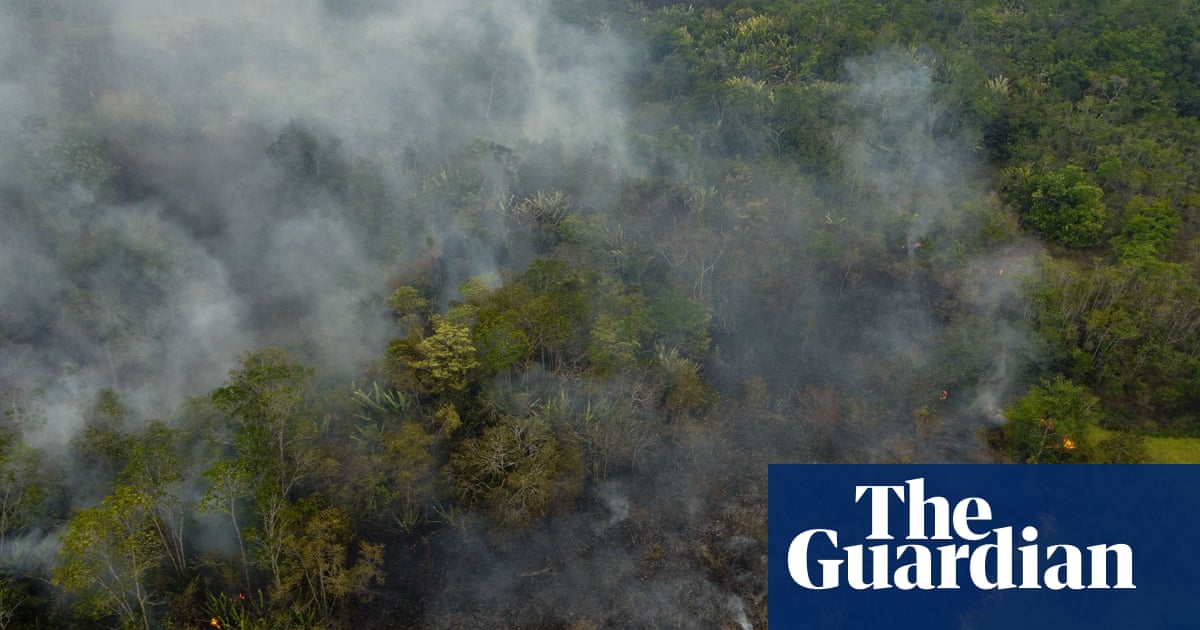
The global energy landscape is undergoing a profound transformation, driven not only by supply-demand dynamics and geopolitical shifts but increasingly by stringent environmental, social, and governance (ESG) considerations. While the oil and gas sector has historically focused its ESG efforts on emissions reduction, water management, and community engagement, a new, pervasive threat is emerging that demands immediate attention: rampant global deforestation. New analyses reveal a “dismal” state of global forest health, with an alarming increase in forest loss since 2021, driven by agricultural expansion and other extractive industries. This crisis, while seemingly distant from traditional O&G operations, presents a significant and growing indirect risk to the sector’s ESG scores, investment appeal, and long-term financial health. Investors must recognize that the broader environmental degradation impacting our planet will inevitably reflect on the valuations of all major industries, including energy.
Deforestation’s Alarming Trajectory and its Market Resonance
The scale of recent forest destruction is staggering. Last year alone, 8.1 million hectares – an area roughly half the size of England – were lost to burning, clearing, and logging. This figure surpasses the loss recorded at the time of the Cop26 pledges for zero deforestation by 2030, putting the world a disturbing 63% off track from its critical environmental goal. This relentless destruction, largely fueled by subsidies for livestock and monocrops, underscores a systemic failure within global financial systems that continue to reward practices detrimental to planetary health. For the oil and gas industry, this accelerating environmental crisis amplifies the pressure to demonstrate robust environmental stewardship, even for indirect impacts.
As of today, Brent crude trades at $90.38, a notable decline of 9.07% from its previous close, with WTI crude similarly down 9.41% at $82.59. This volatility, reflecting a broader market unease, highlights how external factors, from geopolitical tensions to growing environmental concerns, can swiftly impact energy prices. Over the past 14 days, Brent has seen a significant drop from $112.78 to its current level, a -$22.4 or -19.9% reduction. While this particular decline may be tied to immediate supply-demand shifts, it underscores a market increasingly sensitive to a multitude of influences. In this environment, a company’s perceived commitment to ESG principles, including its indirect contributions to global environmental health, becomes a crucial differentiator for maintaining investor confidence and securing long-term capital.
Investor Scrutiny Expands Beyond Direct Emissions
Our proprietary data on investor sentiment reveals a broadening scope of inquiry, extending beyond traditional metrics. While queries like “what do you predict the price of oil per barrel will be by end of 2026?” remain central, there’s a clear uptick in questions that implicitly link long-term value to broader environmental performance. For instance, questions such as “How well do you think Repsol will end in April 2026?” are increasingly intertwined with an assessment of a company’s holistic ESG framework, not just its quarterly earnings. Investors are recognizing that systemic environmental issues, like deforestation, pose reputational, regulatory, and financial risks that can erode future valuations across sectors.
The financial imbalance described in recent reports — $409 billion in average annual subsidies for agricultural industries responsible for 85% of forest loss, compared to just $5.9 billion in international public finance for forest protection — illustrates a critical flaw in global capital allocation. While oil and gas companies are not direct drivers of agricultural deforestation, they operate within a financial ecosystem where capital flows often support intertwined industries. Financial institutions, for example, have reportedly profited significantly from financing activities linked to deforestation. This creates an indirect but tangible ESG risk for O&G firms, as investors scrutinize their financial partners, supply chains, and overall commitment to sustainable practices. Companies must demonstrate that their operations and financial affiliations are not inadvertently contributing to this global environmental crisis.
Navigating Upcoming Events with a Proactive ESG Stance
The coming weeks are packed with critical events that will shape the energy market. The OPEC+ Joint Ministerial Monitoring Committee (JMMC) Meeting on April 19th, followed by the full OPEC+ Ministerial Meeting on April 20th, will set the tone for production quotas and global supply. While these directly impact market fundamentals, forward-looking investors understand that true long-term value is increasingly built on a foundation of robust ESG practices that extend beyond immediate operational decisions. Similarly, the API Weekly Crude Inventory (April 21st, April 28th) and EIA Weekly Petroleum Status Report (April 22nd, April 29th) provide snapshots of inventory and demand, while the Baker Hughes Rig Count (April 24th, May 1st) offers insights into drilling activity. However, underlying these immediate market signals is a growing investor demand for companies that can demonstrate resilience and adaptability in the face of evolving environmental challenges.
For oil and gas companies, a proactive ESG strategy that addresses deforestation risks is no longer optional. This means implementing rigorous supply chain due diligence to ensure no components or services are indirectly linked to land clearance. It involves scrutinizing financial partnerships and advocating for systemic changes that shift capital away from destructive practices. Furthermore, companies can explore investing in nature-based solutions, contributing to reforestation efforts, or supporting initiatives that promote sustainable land use. The alarming spread of forest fires, particularly in the Amazon, which last year released seven times more CO2 than the previous two years’ average, underscores the urgency. These fires are pushing critical ecosystems closer to a “point of no return,” a dire warning that should resonate throughout every boardroom. Companies that integrate these broader environmental considerations into their strategic planning will be better positioned to attract capital, mitigate risks, and enhance their ESG standing in an increasingly conscientious investment landscape.


