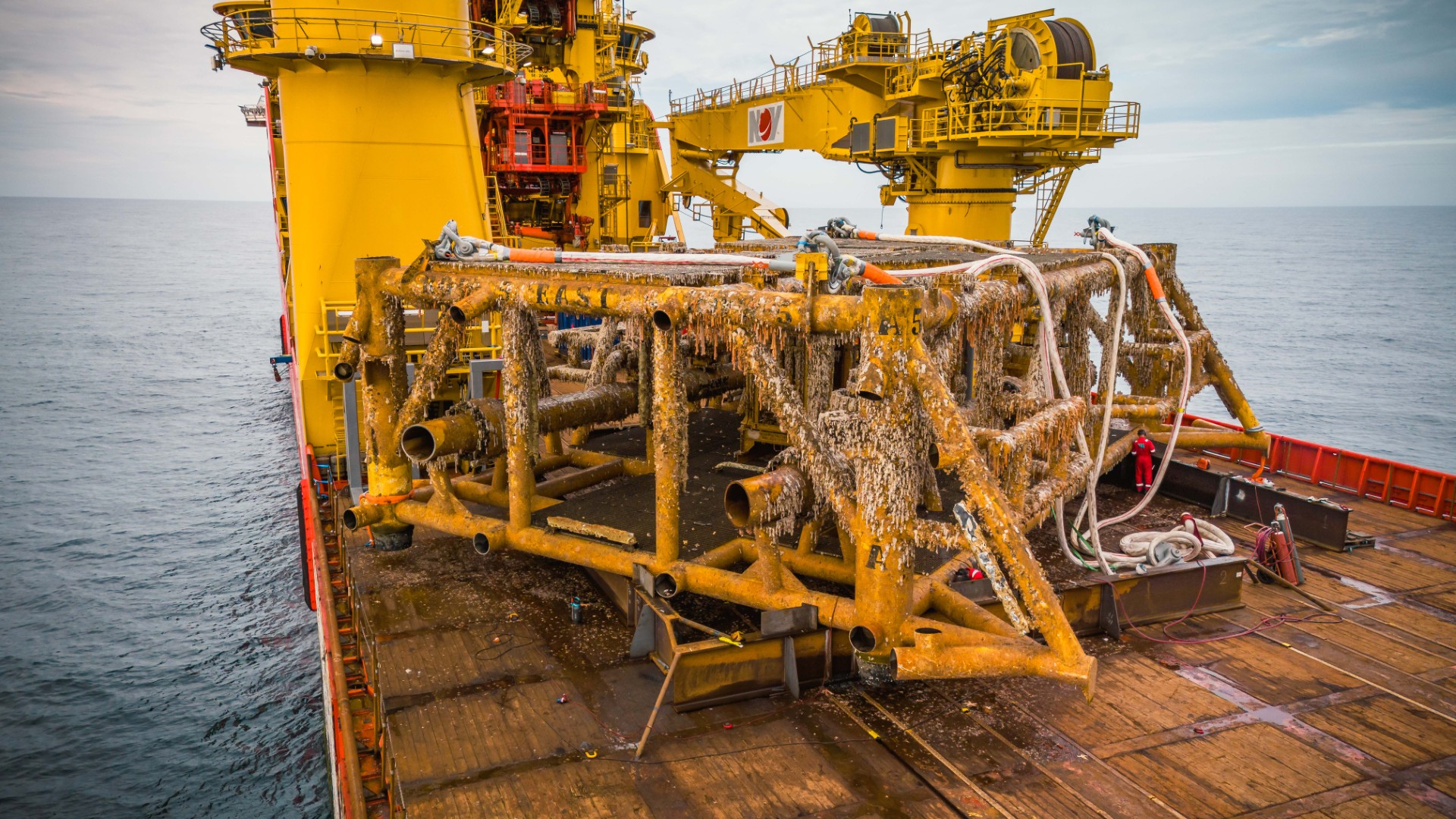
DeepOcean’s recent securing of a significant decommissioning contract offshore Western Australia marks a pivotal moment for the subsea services provider, underscoring the growing importance of infrastructure removal in the global energy landscape. This award is more than just a new project; it signifies a strategic expansion into the Asia-Pacific region following a key acquisition and highlights a resilient revenue stream for service companies amid fluctuating commodity markets. For investors, understanding the drivers behind such contracts and their implications for long-term value in the oil and gas services sector is critical, especially as the industry navigates both market volatility and the broader energy transition.
The Decommissioning Imperative and DeepOcean’s Strategic Play
The global oil and gas industry is facing an accelerating wave of decommissioning projects as mature fields reach their end-of-life and regulatory pressures mount. DeepOcean’s latest win in Western Australia positions it squarely at the forefront of this trend. The 2026 offshore campaign is comprehensive, involving the meticulous suspension of subsea trees, the removal of flowlines, risers, and dynamic umbilicals, and the complex disconnection and recovery of a turret-mooring buoy (DTM). Operating in water depths of 300 to 400 meters, this project will leverage one of DeepOcean’s regional vessels and be managed from its established Perth office, solidifying its operational footprint in Australia.
This contract gains further significance when viewed through the lens of DeepOcean’s strategic moves. It is the company’s first major decommissioning award in Australia since its acquisition of Shelf Subsea earlier this year. This integration has been instrumental, combining Shelf Subsea’s localized expertise and regional network with DeepOcean’s extensive international track record, particularly its market leadership in decommissioning within mature basins like the North Sea. This synergistic approach allows DeepOcean to offer a robust, integrated service offering, directly benefiting clients in the Asia-Pacific region and establishing a more competitive edge in a specialized, high-barrier-to-entry market. For investors, these long-term, regulatory-driven contracts provide a degree of revenue stability often sought in a sector prone to cyclical swings.
Navigating a Volatile Commodity Market: Implications for Service Providers
The backdrop against which DeepOcean secured this contract is one of significant commodity market volatility. As of today, Brent Crude trades at $90.38, representing a notable decline of 9.07% within the day, with its price ranging from $86.08 to $98.97. Similarly, WTI Crude has seen a sharp dip to $82.59, down 9.41%. This downward trend is not isolated; looking at the 14-day Brent trend, the price has fallen from $112.78 on March 30th to today’s $90.38, a substantial drop of nearly 20%. Such dramatic shifts in crude prices inevitably influence capital expenditure decisions across the exploration and production (E&P) sector.
For many investors keenly observing the market, questions about the future trajectory of oil prices — with many asking what the price of oil per barrel will be by the end of 2026 — directly impact their outlook on E&P companies. However, for service providers specializing in decommissioning, the impact can be somewhat counter-cyclical. While lower oil prices might lead E&P operators to defer new greenfield projects or slow down drilling campaigns, decommissioning activities are largely non-discretionary. They are mandated by regulatory bodies and represent an unavoidable end-of-life cost for asset owners. This inherent demand resilience makes companies like DeepOcean, with strong decommissioning backlogs, potentially more attractive during periods of market uncertainty. Their revenue streams are less directly exposed to the daily gyrations of crude prices, offering a foundational stability that can be particularly appealing when traditional E&P investments face headwinds.
Forward Momentum: Upcoming Events and the Decommissioning Outlook
The immediate future holds several key events that will shape the global energy market and, by extension, the strategic environment for service providers. Investors are keenly awaiting the outcomes of the OPEC+ Joint Ministerial Monitoring Committee (JMMC) Meeting on April 19th, followed by the full OPEC+ Ministerial Meeting on April 20th. Decisions on production quotas from these gatherings will significantly influence global supply levels and, consequently, oil prices. Many of our readers are asking about current OPEC+ production quotas, highlighting the direct link between these policy decisions and market sentiment.
Further market indicators will come from the API Weekly Crude Inventory reports on April 21st and 28th, and the EIA Weekly Petroleum Status Reports on April 22nd and 29th, offering snapshots of short-term supply-demand dynamics in the crucial U.S. market. Additionally, the Baker Hughes Rig Counts on April 24th and May 1st will provide insight into drilling activity, signaling future production trends. While these events primarily impact the upstream sector, their aggregate effect on investor confidence and E&P capital allocation can indirectly bolster the relative attractiveness of the decommissioning segment. Should market uncertainty persist or deepen, the stability offered by mandatory infrastructure removal contracts becomes even more pronounced. DeepOcean’s 2026 campaign timeline indicates a long-term contract, demonstrating a revenue visibility that many E&P projects might lack given the current market flux.
Investor Perspective: DeepOcean’s Role in Energy Transition and Value Creation
In an era increasingly defined by the energy transition, investors are scrutinizing companies not just for their current profitability but also for their long-term strategic alignment with evolving energy paradigms. Decommissioning, while not a “green” energy source, is undeniably a critical component of responsible energy transition. It addresses the legacy footprint of fossil fuel production, ensuring the safe and environmentally sound removal of infrastructure once its operational life concludes. This often-overlooked segment represents a significant and growing market for specialized services.
DeepOcean’s strong performance in this niche, evidenced by its undisclosed but substantial contract in Australia, positions it as a key player in managing the sunset of conventional oil and gas assets. For investors asking about specific company performance, such as “How well do you think Repsol will end in April 2026,” the focus often remains on E&P. However, companies like DeepOcean offer a compelling alternative or complementary investment thesis: participating in the essential cleanup and repurposing of existing infrastructure. Their established track record in mature basins, now extended into the Asia-Pacific through strategic acquisitions, demonstrates a clear pathway for sustained growth within this specialized segment. The ability to integrate regional knowledge with global competence, as DeepOcean has shown, reinforces its competitive advantage and long-term value proposition for investors seeking exposure to the enduring, albeit evolving, demands of the global energy sector.


