The Deepki-Sobre Energie Acquisition: A Bellwether for Long-Term Energy Demand Shifts
In a dynamic energy market often fixated on immediate supply and geopolitical catalysts, a recent acquisition in the real estate sustainability sector offers a compelling signal about long-term demand trends that oil and gas investors cannot afford to ignore. Deepki, a prominent provider of real estate sustainability data solutions, has announced its acquisition of energy management specialist Sobre Energie. This strategic move, aimed at significantly expanding Deepki’s capabilities in managing real estate energy performance, underscores a accelerating global imperative for energy efficiency and decarbonization across vast commercial and public property portfolios. For oil and gas investors, this isn’t just a peripheral deal; it represents a tangible manifestation of forces shaping future energy consumption, influencing everything from natural gas demand for heating to the broader pace of the energy transition.
Driving Efficiency: A New Frontier for Energy Investment
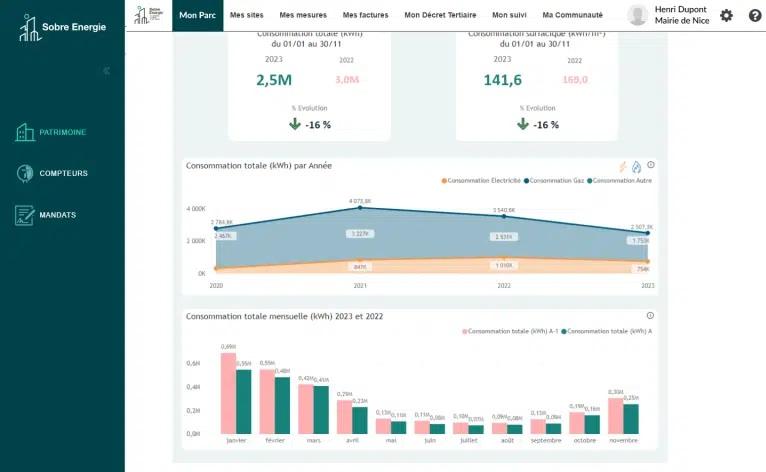
Deepki’s acquisition of Sobre Energie creates a more robust platform for addressing the intricate challenges of real estate energy consumption. Sobre Energie, founded in 2016, brings a specialized focus on energy management and efficiency for large property portfolios, leveraging data analytics, software, and expert insights to measure, reduce, and comply with evolving building regulations. Deepki’s co-founder and CEO, Vincent Bryant, highlighted a critical aspect of this integration, stating the combined entity can now offer a “complete value chain: from market scoring (benchmarking) to kWh savings in the field.” This holistic approach, encompassing digital solutions, AI-driven insights, physical energy audits, and operational expertise, is designed to deliver concrete cost reductions and improved energy and carbon performance. For oil and gas investors, this signals a growing, sophisticated market dedicated to shrinking the energy footprint of major consumers. Every kWh saved in a commercial building translates to reduced demand for the primary energy sources, including natural gas used for heating and electricity generation, a trend that will increasingly factor into long-term demand forecasts for hydrocarbons.
Navigating Volatility: Short-Term Swings Amidst Long-Term Currents
While the Deepki acquisition points to structural shifts, oil and gas investors remain acutely focused on immediate market dynamics. As of today, Brent Crude trades at $92.99, marking a 2.83% increase, with a day range between $89.11 and $94.68. Similarly, WTI Crude stands at $89.4, up 2.26%, fluctuating between $85.5 and $91.45. This daily upward movement follows a notable retreat in recent weeks, with Brent having declined nearly 20% from $118.35 on March 31st to $94.86 just yesterday. This ongoing volatility underscores the geopolitical and supply-side factors that dominate short-term price action. However, the consistent march towards energy efficiency, exemplified by deals like Deepki’s, represents a powerful counter-current. When investors analyze long-term demand trajectories for crude oil, natural gas, and refined products like gasoline (currently at $3.12, up 2.64% today), the increasing sophistication and adoption of energy management solutions in major consumption sectors like real estate will exert a steady downward pressure on demand growth. These efficiency gains don’t trigger daily headlines but accumulate into significant long-term shifts, fundamentally altering the baseline for future energy consumption projections.
Investor Focus: Long-Term Outlooks and Upcoming Catalysts
Our proprietary reader intent data reveals a keen interest among investors in both immediate price movements and long-term forecasts. Questions like “is WTI going up or down” highlight the daily trading focus, while inquiries about “what do you predict the price of oil per barrel will be by end of 2026?” underscore the strategic planning horizon. The Deepki acquisition provides crucial context for answering these broader questions. While short-term WTI movements will be heavily influenced by upcoming events, such as the OPEC+ JMMC Meeting today, April 21st, and the EIA Weekly Petroleum Status Reports on April 22nd and April 29th, the long-term price outlook for 2026 and beyond must increasingly incorporate demand-side efficiencies. A tightening supply picture from OPEC+ or robust demand signals from EIA reports could certainly push prices higher in the near term. However, the relentless drive for energy savings in sectors like real estate acts as a long-term demand dampener. Each building decarbonized or made more efficient through solutions like Deepki’s chips away at future energy requirements, making aggressive long-term price predictions more challenging without accounting for these structural shifts. Furthermore, the Baker Hughes Rig Count on April 24th and May 1st will offer insights into production dynamics, but even expanding supply faces a market where a significant portion of energy consumption is becoming more intelligently managed and reduced.
The EIA Short-Term Energy Outlook, due on May 2nd, will provide updated forecasts, and it will be critical to observe how prominently demand-side management and efficiency gains feature in their projections. For investors looking to position their portfolios, understanding the interplay between immediate market catalysts and the slower, yet inexorable, march of energy transition initiatives like the Deepki-Sobre Energie merger is paramount. It reinforces the need for diversification within energy portfolios, acknowledging that the most resilient investments will likely be those that adapt to a future of optimized energy consumption, not just increased production.


