The Decarbonization Imperative: Navigating O&G Investment in a Net-Zero World
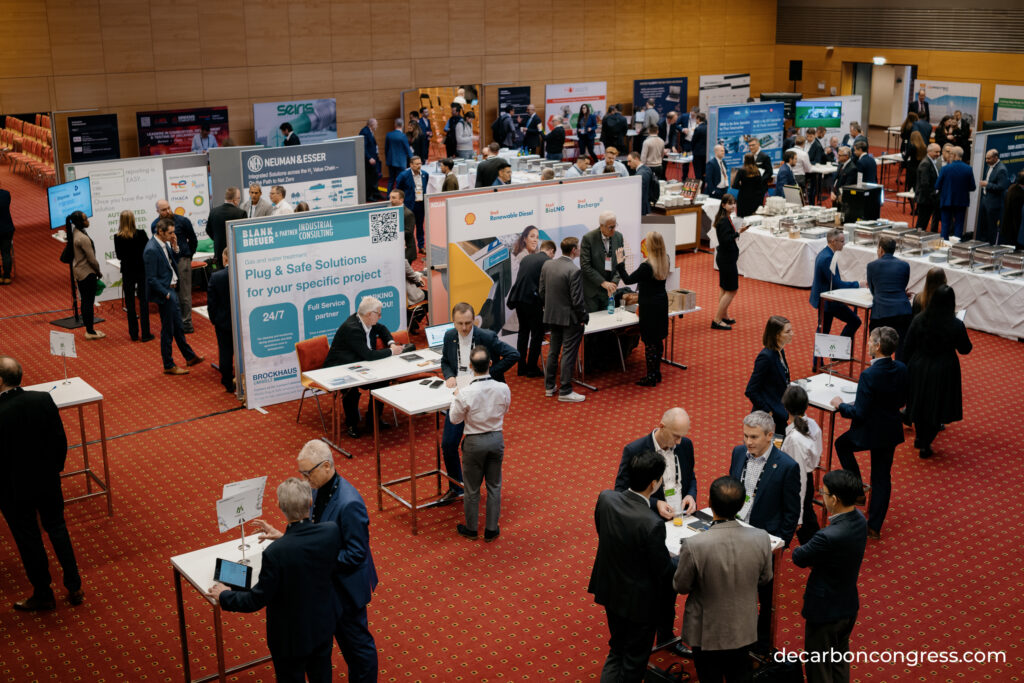
The energy transition is no longer a distant ambition but an immediate operational reality for oil and gas producers, demanding strategic shifts that profoundly impact investment opportunities. Recent industry dialogues, such as DECARBON 2026 in Vösendorf, Austria, underscore this critical juncture, bringing together leading energy players like Shell, Repsol, and Gasunie to forge practical pathways for emissions reduction across the entire value chain. For astute investors, understanding the intersection of policy, technology, and implementation is paramount, especially as companies move from setting net-zero targets to demonstrating tangible, investable progress. This analysis delves into the key takeaways from these discussions, integrating our proprietary market data and investor sentiment to offer a forward-looking perspective on where the smart capital is flowing in the evolving energy landscape.
From Ambition to Execution: Investment Priorities in Decarbonization
The strategic context for decarbonization efforts within the oil and gas sector has definitively shifted from aspirational targets to the granular challenges of execution. Executive panels at industry forums highlight the necessity of linking emissions objectives with real-world operational capabilities, emphasizing investment priorities that deliver measurable impact. Companies are grappling with the practicalities of data-driven decision-making and on-site constraints, underscoring why a strategic approach and clearly defined net-zero pathways are now central to modern oil and gas operations. As leaders in the field articulate, the conversation around net-zero must encompass the full carbon intensity of energy products, from production and supply chains to end-use. This means operating plans are under constant revision to reflect today’s economic realities, while long-term net-zero goals demand consistent structural progress beyond immediate planning cycles. For investors, this translates into scrutinizing companies not just on their long-term pledges, but on their near-term capital expenditure plans, technology adoption roadmaps, and verifiable progress in reducing carbon intensity across their assets.
Low-Carbon Hydrogen: A Cross-Border Investment Frontier
Low-carbon hydrogen emerged as a pivotal decarbonization tool in recent industry discussions, drawing contributions from a broad spectrum of energy, infrastructure, and technology players. The focus for investors should be on how hydrogen interacts with existing infrastructure and evolving regulatory frameworks. Companies like Moeve are actively transforming traditional assets, such as refineries in Southern Europe, into diversified energy parks capable of producing renewable fuels, including green hydrogen. This regional focus, particularly in areas like Huelva and Algeciras, highlights strong production potential and the strategic development of European hydrogen corridors connecting these hubs with key consumption points like Rotterdam. This vision of green hydrogen taking shape as a cross-border value chain within the evolving European energy landscape presents significant long-term infrastructure investment opportunities. While traditional oil markets experience daily volatility, as evidenced by Brent Crude trading at $94.74 today, up 4.77%, and WTI Crude at $91.54, up 4.71%, investment in hydrogen infrastructure offers a different risk profile, driven by policy support and long-term energy transition objectives rather than immediate commodity price swings. This divergence creates distinct pathways for capital allocation, where hydrogen projects, despite their nascent stage, promise foundational shifts in energy supply.
Digitalization, Data, and Investor Scrutiny Amidst Volatility
The role of digitalization, automation, and data-driven sustainability initiatives is increasingly critical for oil and gas companies seeking to enhance emissions performance and attract capital. Roundtables featuring technology leaders and industry participants explored how digital tools are becoming indispensable for monitoring, optimizing, and reporting environmental metrics. Our proprietary reader intent data reveals that investors are keenly focused on the underlying data infrastructure, with questions like “What data sources does EnerGPT use? What APIs or feeds power your market data?” frequently appearing. This indicates a strong demand for transparency and verifiable metrics, especially as market conditions remain dynamic. As of today, April 21st, 2026, Brent Crude stands at $94.74, a notable surge after a challenging period where it fell nearly 20% from $118.35 just weeks prior. This extreme volatility, where the market can swing from significant losses to strong gains within days, heightens investor scrutiny on operational efficiency and sustainable practices. Companies that can leverage digitalization to demonstrate tangible progress in reducing carbon intensity and operational costs will inherently de-risk their investment profile. With participants like Repsol actively engaged in these discussions, investors are naturally asking how these strategic decarbonization efforts will impact immediate financial performance, with our data showing specific interest in “How well do you think Repsol will end in April 2026,” underscoring the tight link between long-term strategy and short-term investor sentiment.
Upcoming Catalysts and the Path Forward for O&G Investors
Navigating the dual imperatives of energy transition and market volatility requires a keen eye on upcoming catalysts. The last 14 days have seen Brent crude fluctuate dramatically, experiencing a nearly 20% decline from $118.35 to $94.86 before today’s strong rebound to $94.74. This underscores the persistent uncertainty in global energy markets, making strategic investment decisions even more critical. Investors looking for signals will be closely watching a series of key events in the coming weeks. The OPEC+ JMMC Meeting on April 21st is a crucial near-term event that could provide guidance on production levels, directly impacting crude prices. Following this, the EIA Weekly Petroleum Status Reports on April 22nd and April 29th, alongside API Weekly Crude Inventory data on April 28th and May 5th, will offer essential insights into U.S. supply-demand dynamics. Further out, the EIA Short-Term Energy Outlook on May 2nd will provide a macro perspective on market fundamentals for the remainder of the year and beyond. These events will shape the economic realities that companies must integrate into their decarbonization strategies. For investors, understanding these market forces in conjunction with the technological and policy advancements discussed at forums like DECARBON 2026 is essential for identifying resilient investment opportunities in an industry undergoing profound transformation.