
Close Menu
  • Home
  • Market News
    • Crude Oil Prices
    • Brent vs WTI
    • Futures & Trading
    • OPEC Announcements
  • Company & Corporate
    • Mergers & Acquisitions
    • Earnings Reports
    • Executive Moves
    • ESG & Sustainability
  • Geopolitical & Global
    • Middle East
    • North America
    • Europe & Russia
    • Asia & China
    • Latin America
  • Supply & Disruption
    • Pipeline Disruptions
    • Refinery Outages
    • Weather Events (hurricanes, floods)
    • Labor Strikes & Protest Movements
  • Policy & Regulation
    • U.S. Energy Policy
    • EU Carbon Targets
    • Emissions Regulations
    • International Trade & Sanctions
  • Tech
    • Energy Transition
    • Hydrogen & LNG
    • Carbon Capture
    • Battery / Storage Tech
  • ESG
    • Climate Commitments
    • Greenwashing News
    • Net-Zero Tracking
    • Institutional Divestments
  • Financial
    • Interest Rates Impact on Oil
    • Inflation + Demand
    • Oil & Stock Correlation
    • Investor Sentiment

Subscribe to Updates

Subscribe to our newsletter and never miss our latest news

Subscribe my Newsletter for New Posts & tips Let's stay updated!

What's Hot

Oil markets on edge after Trump strike on Iran threatens Hormuz flows

March 1, 2026

Talos Losses Deepen | Rigzone

March 1, 2026

Jack Dorsey Stokes Fears of an AI Jobs Apocalypse

March 1, 2026
Facebook X (Twitter) Instagram Threads
Oil Market Cap – Global Oil & Energy News, Data & Analysis
  • Home
  • Market News
    • Crude Oil Prices
    • Brent vs WTI
    • Futures & Trading
    • OPEC Announcements
  • Company & Corporate
    • Mergers & Acquisitions
    • Earnings Reports
    • Executive Moves
    • ESG & Sustainability
  • Geopolitical & Global
    • Middle East
    • North America
    • Europe & Russia
    • Asia & China
    • Latin America
  • Supply & Disruption
    • Pipeline Disruptions
    • Refinery Outages
    • Weather Events (hurricanes, floods)
    • Labor Strikes & Protest Movements
  • Policy & Regulation
    • U.S. Energy Policy
    • EU Carbon Targets
    • Emissions Regulations
    • International Trade & Sanctions
  • Tech
    • Energy Transition
    • Hydrogen & LNG
    • Carbon Capture
    • Battery / Storage Tech
  • ESG
    • Climate Commitments
    • Greenwashing News
    • Net-Zero Tracking
    • Institutional Divestments
  • Financial
    • Interest Rates Impact on Oil
    • Inflation + Demand
    • Oil & Stock Correlation
    • Investor Sentiment
Oil Market Cap – Global Oil & Energy News, Data & Analysis
Home » Deadly California avalanche highlights backcountry risks
Weather Events (hurricanes, floods)

Deadly California avalanche highlights backcountry risks

omc_adminBy omc_adminFebruary 19, 2026No Comments5 Mins Read
Share
Facebook Twitter Pinterest Threads Bluesky Copy Link


The recovery of skiers killed in the deadliest U.S. avalanche in almost 45 years is dragging out because of what experts say is a prime rule for rescuers: Don’t make yourself a victim.

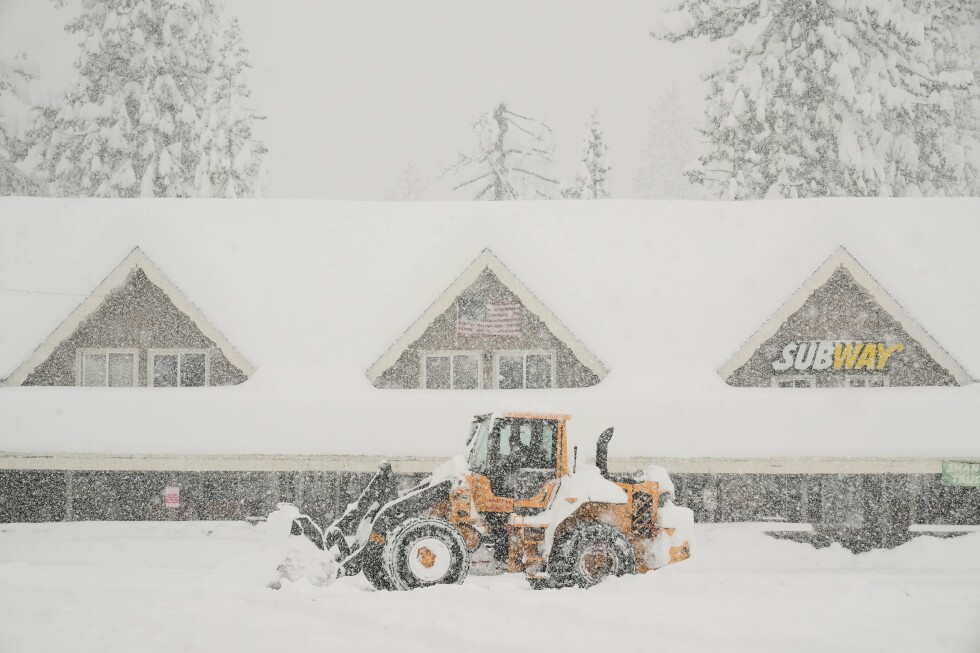
A storm that continued lashing California’s remote Sierra Nevada wilderness Thursday meant more avalanches were possible in the backcountry area where authorities said eight people died and one was still missing two days after their group was caught in the deadly slide. Six people survived.

Rescuers faced the same potential perils that killed the backcountry skiers and professional guides, as they pursued a sport with inherent risks that were compounded by several feet of new snow. Recovery efforts were set to resume Friday.

Last day of the trip

Backcountry winter travelers from skiers and snowboarders to snowmobilers and mountaineers lean on avalanche forecasts to help them gauge the danger. Yet conditions quickly shift because of turbulent mountain weather.

To supplement forecasts or if none is available, experienced skiers and guides will dig a pit in the snow to test how stable it is. They can also search out less-hazardous terrain, such as slopes that are not as steep or that are sheltered from known avalanche routes.

As the snow from the storm system hitting the Sierras this week piled up, the group of 15 skiers caught in Tuesday’s avalanche were on the last day of a multiday trip and heading for the trailhead.

“It was, quite likely, very necessary for them to leave the backcountry so their hazard wasn’t increased further,” said Anthony Pavlantos of Utah-based Prival USA, who makes avalanche safety equipment and runs mountain safety programs.

“What’s really hard to say is like ‘why were they moving?’ You can’t ever start placing blame on events like this because we can all be there.”

‘Luck runs out’

It’s not uncommon for people to venture into the backcountry to ski or snowboard during times of heightened danger: A dangerous storm also means lots of fresh snow that many skiers crave.

And because fatal accidents are rare, the risk takers most often survive, said Dale Atkins, who has been involved in mountain rescues and avalanche forecasting and research in Colorado for five decades.

“It’s not about not going; it’s about where and when you go,” Atkins said.

But Atkins added that coming out of the backcountry unscathed can create a false sense of security in a pursuit where luck – or not enough of it – also plays a role.

“It’s really easy to be fooled by the snow and avalanches,” he said. “We keep going out even in the worst of storms because that’s what we did last time, and then our luck runs out.”

Typically the best hope for someone to survive burial in an avalanche is to dig themselves out or be rescued by a companion. That is because slides often occur in remote areas.

It took rescuers six hours to reach the victims of Tuesday’s avalanche after the first report came in. By comparison, the chances of survival for someone buried for an hour is only about one in 10, Atkins said.

The surviving skiers in California found three of the victims while they awaited rescue. Authorities haven’t given a detailed account about how they located the other victims.

The probe line

A debris field from a major avalanche like the fatal one in California will stretch over a huge area, making it difficult to figure out where someone ends up if they are caught and dragged beneath the surface.

The first thing to look for is clues such as a glove or ski pole that could reveal a victim’s location, said Anthony Stevens, chief adviser for the search and rescue team in Teton County, Wyoming, home to Grand Teton National Park.

Skiers in guided groups typically carry transceivers, known as avalanche beacons, that send out signals showing where they are. The devices can also receive other signals, displaying the direction and approximate distance to a victim.

If that doesn’t work, rescuers can line up and use long, slender poles to probe into the snow in hopes of finding someone, said Ethan Greene, director of the Colorado Avalanche Information Center.

Time is of the essence throughout a rescue, and once someone is found they have to be dug out. The average depth of burial is roughly a meter, or just over 3 feet, Atkins said. And because snow and ice in an avalanche get heavily compacted, digging out someone from that depth requires moving at least a ton of material, he said.

Rarely will people survive being buried for long. Atkins said he knew of two people who survived being buried 22 and 24 hours respectively following an avalanche in the 1990s in Washington state. A third member of their party did not survive.

“It’s very unusual for a rescue team to find a buried person alive. But it happens, and that gives us hope,” he said.

____

Associated Press writer Corey Williams in Detroit contributed to this report.


Source link

Share. Facebook Twitter Pinterest Bluesky Threads Tumblr Telegram Email
omc_admin
  • Website

Related Posts

Death toll from heavy rains in southeastern Brazil reaches 64

February 27, 2026

Floods and landslides in Brazil kill at least 53

February 26, 2026

What to know about a student’s death from carbon monoxide poisoning

February 25, 2026
Add A Comment
Leave A Reply Cancel Reply

Top Posts

Federal Reserve cuts key rate for first time this year

September 17, 202513 Views

Inflation or jobs: Federal Reserve officials are divided over competing concerns

August 14, 20259 Views

Oil tanker rates to stay strong into 2026 as sanctions remove ships for hire – Oil & Gas 360

December 16, 20258 Views
Don't Miss

Oil markets on edge after Trump strike on Iran threatens Hormuz flows

By omc_adminMarch 1, 2026

(Bloomberg) – President Donald Trump’s strike on Iran has injected fresh geopolitical risk into global…

How will strikes on Iran affect global energy flows?

February 28, 2026

Bilfinger awarded UK North Sea maintenance contracts with Ithaca Energy, Wood

February 27, 2026

Venezuela cancels Halliburton asset sale after U.S. intervention to support oil sector restart

February 27, 2026
Top Trending

ESG Today: Week in Review

By omc_adminMarch 1, 2026

Winter getting shorter in 80% of major US cities, new data shows | US weather

By omc_adminFebruary 27, 2026

Trump officials move to kill system that protects US from chemical disasters | US Environmental Protection Agency

By omc_adminFebruary 27, 2026
Most Popular

The 5 Best 65-Inch TVs of 2025

July 3, 202515 Views

AI’s Next Bottleneck Isn’t Just Chips — It’s the Power Grid: Goldman

November 14, 202514 Views

The Layoffs List of 2025: Meta, Microsoft, Block, and More

May 9, 202510 Views
Our Picks

Talos Losses Deepen | Rigzone

March 1, 2026

Tankers Halt Near Hormuz After Attacks

February 28, 2026

Equinor to Trim Angolan Holdings

February 28, 2026

Subscribe to Updates

Subscribe to our newsletter and never miss our latest news

Subscribe my Newsletter for New Posts & tips Let's stay updated!

Facebook X (Twitter) Instagram Pinterest
  • Home
  • About Us
  • Advertise With Us
  • Contact Us
  • DMCA
  • Privacy Policy
  • Terms & Conditions
© 2026 oilmarketcap. Designed by oilmarketcap.

Type above and press Enter to search. Press Esc to cancel.