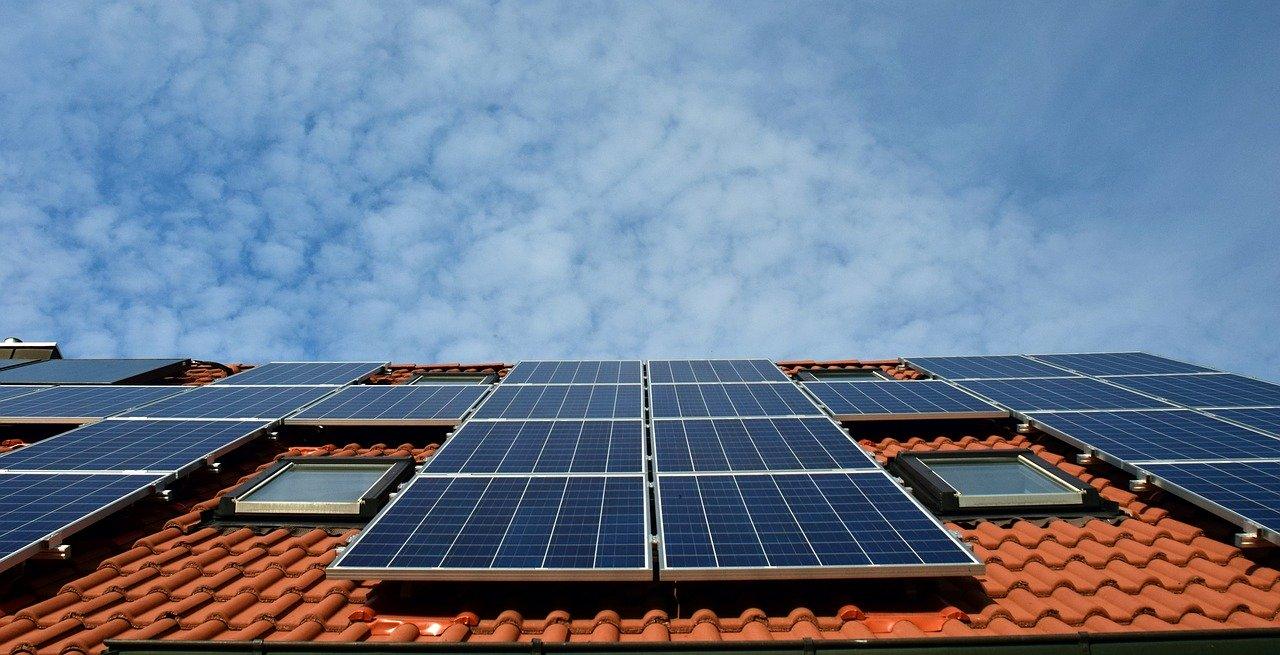
The energy sector is witnessing a profound transformation, with capital increasingly flowing into innovative models that challenge traditional centralized power structures. A prime example is Daylight Energy, which recently secured an impressive $75 million, comprising $15 million in equity and a $60 million project development facility. This significant raise underscores growing investor confidence in decentralized energy solutions, particularly those leveraging home solar and battery storage. As global energy markets grapple with volatility and geopolitical shifts, companies like Daylight are not just offering alternatives but are actively reshaping how we conceive of energy generation, distribution, and investment. For discerning investors, understanding these emerging paradigms is crucial for navigating the evolving landscape and identifying new avenues for growth.
Decentralization Gains Momentum Amidst Market Volatility
Daylight Energy, founded in 2022 and based in New York, is at the forefront of this decentralized energy movement. Their model empowers homeowners to generate and share power through integrated solar and battery storage installations. This not only promises reduced energy bills and enhanced resilience during outages but also allows excess energy to be fed back into the grid. Daylight aggregates this stored energy, selling it during peak demand periods and sharing the proceeds with participants, effectively aligning incentives. This strategic funding comes at a particularly interesting time for the broader energy market. As of today, Brent Crude trades at $90.38, reflecting a sharp 9.07% decline, while WTI Crude has fallen even further to $82.59, down 9.41%. Gasoline prices have also dipped to $2.93, a 5.18% decrease. This current market snapshot contrasts sharply with the recent past, where Brent saw a significant 19.9% drop from $112.78 on March 30th to its current level. This volatility in traditional fossil fuels makes the stability and localized control offered by decentralized energy solutions, like Daylight’s, increasingly attractive to investors looking to diversify away from the inherent risks of global commodity markets.
A New Financial Paradigm for Energy Infrastructure
What truly sets Daylight Energy apart is its innovative approach to financing and incentivizing participation. The company aims to dismantle the high marketing and financing costs that have historically hindered residential solar adoption. By leveraging decentralized finance (DeFi) principles, Daylight seeks to align incentives and reward network growth. This includes the issuance of ‘Sun Points’ to homeowners and plans for a future network token, creating a community-driven ecosystem. Crucially for investors, Daylight has launched DayFi, a yield protocol designed to offer returns directly linked to the electricity revenues generated from its expanding solar and storage portfolio. This novel financial instrument, backed by a $60 million project development facility led by Turtle Hill Capital, represents a significant step towards democratizing energy infrastructure investment. As CEO Jason Badeaux articulated, integrating crypto into this model is uniquely effective at incentivizing behavioral change and catalyzing the substantial capital required to build a vast decentralized energy network, fostering transparency and shared economic upside.
Navigating Geopolitical Headwinds with Local Power
The traditional energy sector remains heavily influenced by geopolitical dynamics and centralized decision-making. Investors are keenly watching upcoming events, such as the OPEC+ JMMC Meeting scheduled for Sunday, April 19th, followed by the full OPEC+ Ministerial Meeting on Monday, April 20th. These gatherings often dictate global oil supply strategies, with significant implications for crude prices and the profitability of major oil producers. Subsequent weekly reports, including the API Weekly Crude Inventory on April 21st and the EIA Weekly Petroleum Status Report on April 22nd, will provide further insights into supply-demand balances. However, Daylight’s model offers a compelling counter-narrative. By focusing on localized generation in markets like Illinois and Massachusetts, the company provides a degree of insulation from these macro-level uncertainties. While traditional oil markets react to every OPEC+ communiqué or inventory fluctuation, decentralized networks build resilience from the ground up, offering investors a stake in an energy future less susceptible to the whims of international cartels or volatile supply chain disruptions. This localized approach is particularly impactful at a time when traditional subsidy models face increasing uncertainty, as highlighted by Zeev Krieger of Turtle Hill Capital.
Addressing Investor Concerns: Long-Term Outlook Beyond the Barrel
Our proprietary reader intent data reveals a clear focus among investors on the long-term trajectory of the oil market and the performance of key players. Questions such as “what do you predict the price of oil per barrel will be by end of 2026?” and “How well do you think Repsol will end in April 2026?” underscore a desire for stability and predictability in a notoriously volatile sector. Daylight Energy’s successful financing and expansion directly address these underlying concerns by offering an investment pathway that diverges from the direct price exposure of a barrel of oil. Instead of betting on the fluctuating price of crude or the geopolitical maneuvering of OPEC+, investors can now participate in the growth of a distributed energy network that prioritizes local generation, reduced consumer costs, and shared economic benefits. This shift provides a hedge against the inherent uncertainties of fossil fuel markets, presenting a more resilient and sustainable investment thesis focused on the fundamental need for reliable, affordable energy at the consumer level, insulated from the broader commodity swings that dominate traditional energy headlines.


