The oil and gas sector operates in an environment of constant flux, where geopolitical tensions, supply-demand dynamics, and technological advancements continuously reshape the playing field. Yet, beneath these visible market forces, a more subtle but equally powerful current is at work: the relentless expansion of global ESG and sustainability regulations. For savvy investors, understanding and mitigating the risks associated with this evolving regulatory landscape is paramount to safeguarding and growing capital. New analytical solutions are emerging to tackle this challenge, offering a critical lens through which to evaluate the long-term viability and compliance health of energy investments.
The Rising Tide of ESG Regulation and Its Investment Implications
The sheer volume and complexity of ESG-related mandates have become a significant operational and financial burden for oil and gas companies. From emissions reporting standards to biodiversity protection clauses and social impact assessments, firms are grappling with an unprecedented web of requirements. This isn’t just about ‘doing good’; it’s about avoiding substantial penalties, reputational damage, and even operational shutdowns. The challenge is magnified by the global nature of energy operations, requiring companies to track an estimated 19,800 regulations across 190 countries. Without a systematic approach, legal and sustainability teams can become overwhelmed, relying on fragmented tools that fail to provide a holistic view of material risks and opportunities. For investors, this translates directly into unquantified risk in their portfolios. A company struggling to monitor and comply with these regulations is inherently more susceptible to future financial shocks, impacting everything from cash flow to share price.
Navigating Volatility: ESG Risk Amidst Current Market Dynamics
In today’s dynamic energy market, managing every facet of operational cost and risk is critical. As of today, Brent Crude trades at $93.83, registering a modest gain of 0.63% within a daily range of $93.52 to $94.21. WTI Crude similarly stands at $90.43, up 0.85%, fluctuating between $89.71 and $90.70. While these daily movements appear stable, the broader trend reveals significant shifts; Brent crude has seen a notable decline, dropping from $118.35 on March 31st to $94.86 just yesterday, representing a substantial 19.8% contraction in less than three weeks. This sharp correction underscores the volatility inherent in crude markets. In such an environment, where commodity prices can swing dramatically, the financial impact of ESG non-compliance – fines, project delays, increased capital costs – becomes even more pronounced. Companies that can efficiently monitor and adapt to regulatory changes are better positioned to protect their margins and maintain operational continuity, offering investors a more resilient asset in volatile times. Conversely, firms caught off guard by evolving requirements risk seeing their valuations eroded by unforeseen liabilities, making robust regulatory oversight a de-risking imperative.
Proactive Strategy: Leveraging Data for Future Compliance and Capital Allocation
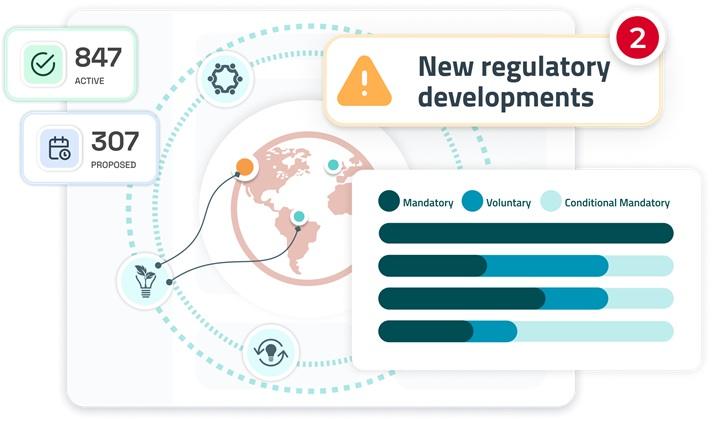
Effective investment in oil and gas demands a forward-looking perspective, anticipating both market shifts and regulatory headwinds. While our industry intently watches immediate catalysts like the upcoming OPEC+ JMMC Meeting tomorrow, April 21st, or the EIA Weekly Petroleum Status Reports on April 22nd and 29th, the long-term strategic advantage lies in foresight across all operational domains. This includes a proactive stance on ESG regulations. A sophisticated regulatory monitoring platform, offering personalized alerts, AI-driven insights, and weekly policy updates, empowers companies to not only react but to anticipate. By understanding what regulations are emerging, what matters most, and how to prioritize compliance efforts, firms can strategically allocate capital towards compliant projects, de-risk new ventures, and avoid costly retrofits. This foresight is crucial for long-term project planning, influencing everything from exploration and production decisions to infrastructure investments. The ability to track regulatory applicability and visualize impacts across global operations ensures that capital is deployed effectively, building resilient assets that can withstand future ESG pressures rather than becoming liabilities.
Addressing Investor Concerns: Transparency, Risk, and Valuation in the ESG Era
Our proprietary reader intent data reveals a consistent focus among investors on critical questions surrounding market direction and company performance. Queries range from the short-term trajectory of WTI crude – “is wti going up or down” – to long-term price outlooks like “what do you predict the price of oil per barrel will be by end of 2026?” and specific company performance assessments, such as “How well do you think Repsol will end in April 2026.” These questions underscore a fundamental need for clarity on risk and valuation. This is precisely where proactive ESG regulatory management intersects directly with investor confidence. Companies demonstrating robust, data-driven approaches to ESG compliance offer greater transparency into their operational risks. They reduce the likelihood of unexpected legal challenges or fines that could negatively impact earnings, providing a clearer path for predicting future performance and valuation. For investors seeking to understand how a company like Repsol might fare, knowing it has a sophisticated system to navigate complex ESG mandates adds a layer of confidence, signaling resilience and responsible governance. In an era where ESG factors increasingly influence capital flows and asset valuations, a firm’s ability to effectively manage its regulatory exposure is no longer a peripheral concern but a core determinant of its investment appeal.


