

Data Center Boom Fuels O&G Energy Demand
The relentless expansion of artificial intelligence capabilities is igniting an unprecedented surge in data center construction, creating a powerful and enduring uptick in energy demand. This structural shift commands the immediate attention of oil and gas investors, as the foundational energy infrastructure supporting this digital revolution will increasingly rely on traditional power sources. Far from a fleeting trend, this growth trajectory, particularly concentrated in key global hubs, signals profound opportunities and challenges across the broader energy landscape.
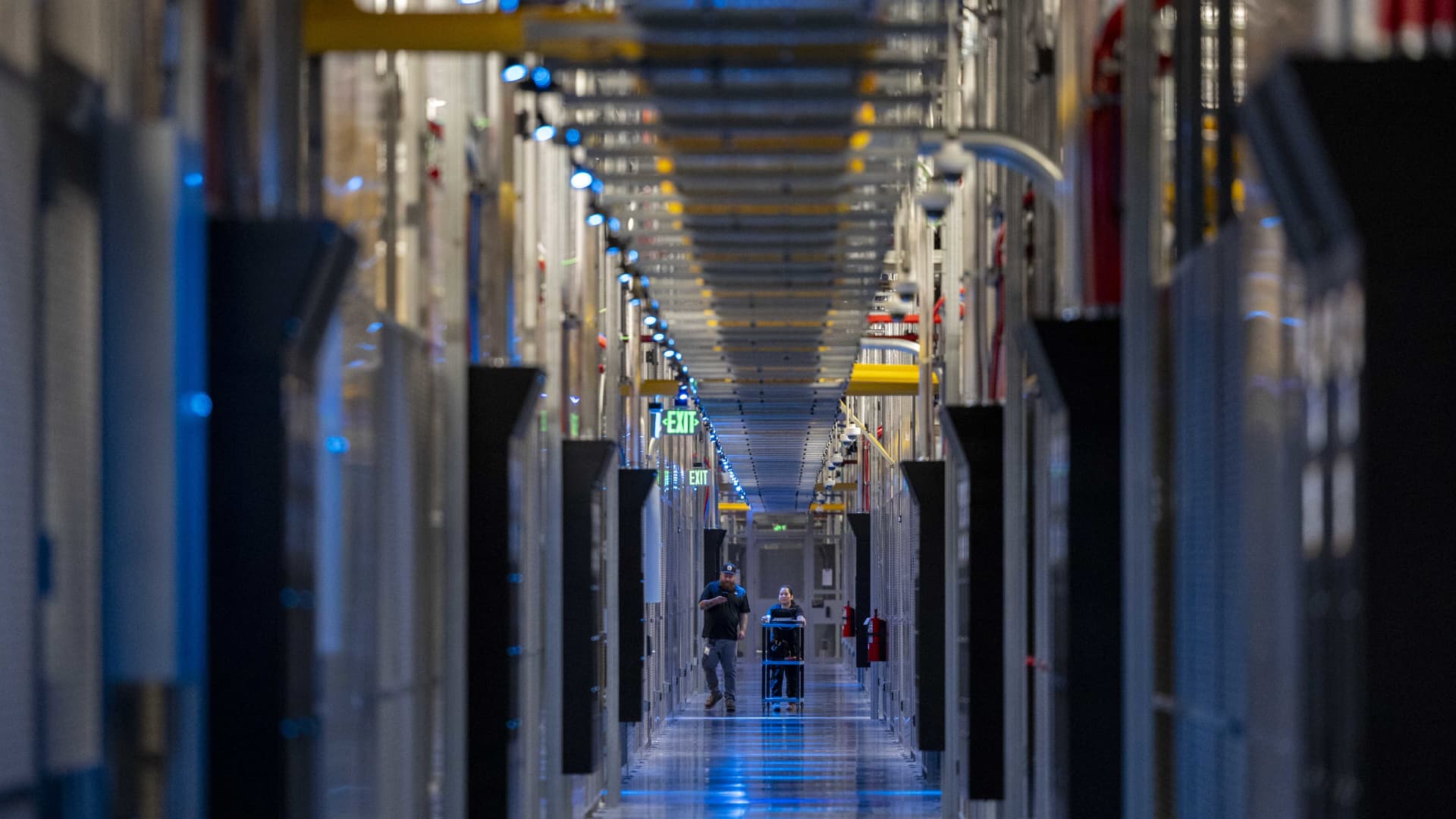
Executives from Dominion Energy, a pivotal utility provider situated at the epicenter of this digital explosion, have recently underscored the unwavering pace of demand. Loudoun County, Virginia, colloquially known as “Data Center Alley,” hosts the world’s most extensive cluster of these mission-critical facilities. Within this vital region, Dominion Energy supplies power to technology behemoths who are collectively deploying tens of billions of dollars into scaling their computing prowess, primarily to train increasingly sophisticated AI models.
Unwavering Demand Signals No Slowdown for Energy Providers
During their first-quarter earnings call, Dominion’s Chief Financial Officer, Steven Ridge, delivered an unequivocal message to financial analysts: “We have not observed any evidence of slowing demand from data center customers across our service area.” This direct assertion serves as a potent counterpoint to recent Wall Street conjecture suggesting a potential cooling in the tech sector’s data center investments. Previous market anxieties had centered on potential headwinds such as tariffs, which could complicate the sourcing of critical components and elevate broader recessionary risks.
Further anxieties emerged earlier this year following the introduction of China’s DeepSeek AI lab, whose reportedly more energy-efficient model triggered a sell-off in some power utility stocks. Yet, Dominion’s leadership remains resolute. CEO Robert Blue emphasized the steadfast commitment from his data center clientele, noting not only the absence of spending pauses on new projects within Dominion’s operating territory but also the failure of wider economic uncertainty concerns to materialize among these tech giants. He affirmed, “We’re seeing continued appetite for additional data center capacity in our service territory.”
Blue highlighted the inherent drive for speed that defines the technology industry, stating, “They want to go fast, they always want to go fast. That’s their business, that’s always been their business. We’ve been effective at serving them thus far. I don’t see any reason why that’s going to change in the future.” This sentiment reinforces the long-term, structural nature of this energy demand growth, providing a stable horizon for upstream, midstream, and downstream oil and gas investors.
Connecting AI Growth to Energy Infrastructure and O&G Demand
The sheer scale of this burgeoning demand is nothing short of staggering. Dominion currently manages a robust pipeline of 40 gigawatts of data center capacity at various stages of contracting. To truly grasp the magnitude of this figure, 40 gigawatts represents a colossal amount of electrical power, equivalent to the output of dozens of large, conventional power plants. Fulfilling such immense electrical requirements necessitates not only substantial investment in new power generation facilities but also a massive build-out of associated transmission and distribution infrastructure.
This is where the direct implications for the oil and gas sector become critically clear. As the primary fuel for new, dispatchable power generation, natural gas stands to be a significant beneficiary. Gas-fired power plants offer the flexibility and reliability necessary to meet the fluctuating, yet consistently growing, demands of hyperscale data centers. Investors should recognize the potential for sustained demand growth in:
- Upstream Exploration and Production: Increased need for natural gas supply will drive continued investment in drilling and production, particularly in prolific basins.
- Midstream Infrastructure: New or expanded pipeline capacity will be essential to transport natural gas from production sites to the newly constructed or upgraded power generation facilities serving data centers. Storage solutions will also play a crucial role in ensuring supply reliability.
- Downstream Refined Products: The construction phase itself will necessitate demand for diesel and other refined products to fuel heavy machinery, transport equipment, and power temporary generators. Furthermore, backup power systems for data centers often rely on liquid fuels.
The rapid deployment of data centers demands equally rapid and reliable energy supply. This dynamic favors established energy sources like natural gas, which can be brought online faster than many renewable alternatives and offers a high degree of operational flexibility. While renewable energy sources are part of the long-term energy mix, the immediate and scalable demand often falls to gas-fired power, especially given grid stability requirements.
Investment Implications for Oil & Gas Stakeholders
For oil and gas investors, this data center boom represents a compelling long-term thesis. Companies with strong natural gas portfolios, robust midstream networks, and efficient downstream operations are well-positioned to capitalize on this digital transformation. The increased electricity demand translates directly into a need for more hydrocarbons, underpinning commodity prices and driving infrastructure investment.
Consider the capital expenditure required to bring 40 gigawatts of power online. This involves not only the power plants themselves but also the intricate web of pipelines, processing facilities, and storage hubs necessary to ensure a steady fuel supply. This capital deployment creates opportunities for engineering, procurement, and construction firms, as well as for companies providing drilling services, equipment, and logistics.
Furthermore, the strategic importance of reliable power for data centers means that energy security will become an even higher priority. This bolsters the value proposition of integrated energy companies capable of delivering consistent and scalable fuel supplies. Investors should scrutinize companies’ exposure to natural gas markets, their capabilities in infrastructure development, and their long-term supply contracts with utilities and tech giants.
Conclusion: Powering the Digital Future with Hydrocarbons
The AI-driven data center boom is not merely a cyclical uptick; it represents a fundamental, structural shift in global energy consumption patterns. The insatiable appetite for digital processing power translates directly into a persistent and growing demand for electricity, with natural gas poised to play a pivotal role in meeting this need. The unwavering confidence expressed by utility executives directly contradicts market skepticism, painting a clear picture of sustained, high-growth energy requirements.
For savvy oil and gas investors, this scenario presents a robust investment horizon. Companies positioned to provide reliable, scalable, and cost-effective energy solutions—from upstream production to midstream transportation and downstream refined products—will be instrumental in powering the digital future. As the world becomes increasingly reliant on AI and data-intensive technologies, the fundamental demand for hydrocarbons, particularly natural gas, will continue its ascent, offering compelling opportunities for those who understand and act on these critical market signals.
