

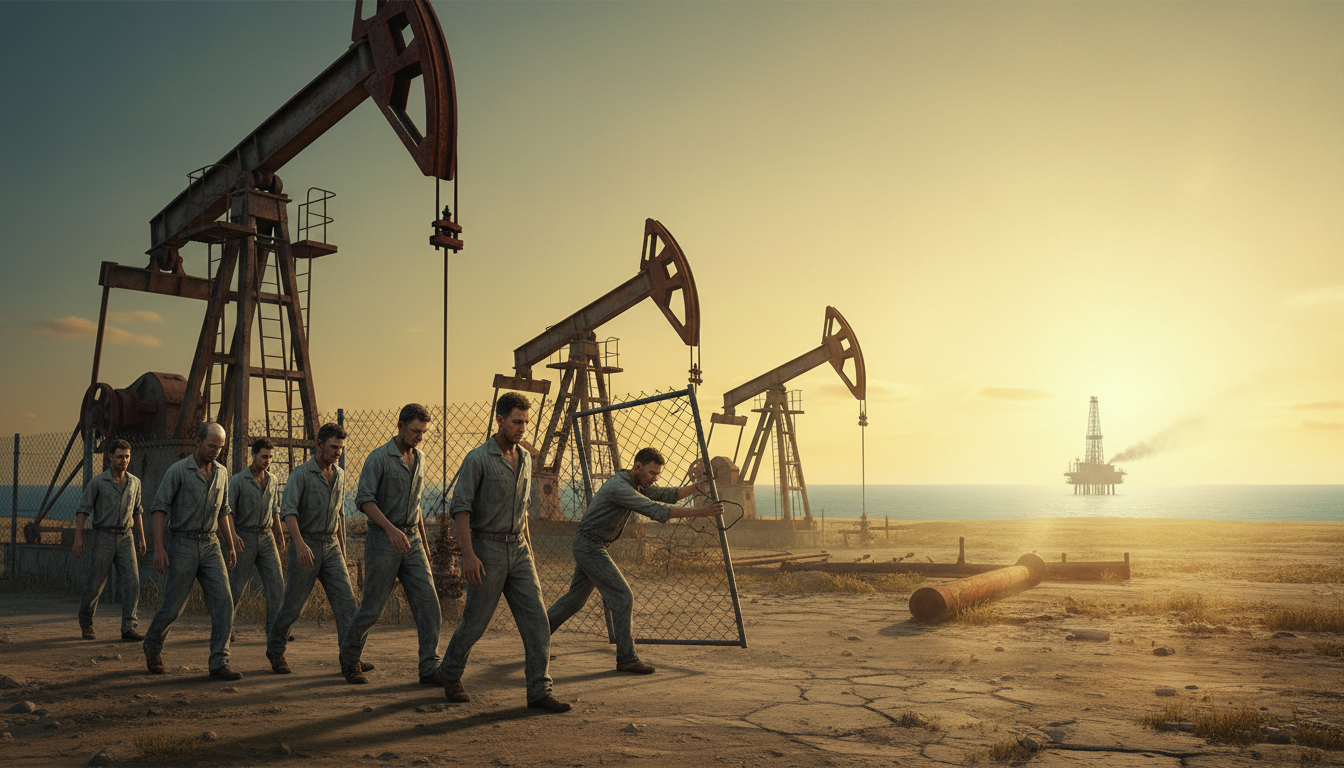
Cuba’s Energy Crisis Deepens Amid U.S. Sanctions, Geopolitical Chess Moves
Havana’s recent announcement of a clemency program, set to release 2,010 prisoners, arrives against a backdrop of intensifying U.S. pressure that has severely strained Cuba’s economy and triggered widespread fuel shortages. This humanitarian gesture, touted by the Cuban government as a “sovereign act,” notably encompasses foreign nationals, younger detainees, women, and individuals over 60, with selection based on conduct, time served, and health status. However, market observers and energy analysts recognize this move within the broader context of a nation grappling with a crippling energy deficit, directly impacting its operational stability and economic outlook.
The current administration in Washington has significantly ratcheted up restrictions on the island, with a primary focus on curtailing vital oil flows. Since President Donald Trump re-entered office, policies aimed at isolating Havana have directly contributed to an acute lack of fuel, manifesting in recurring blackouts across the nation and a palpable slowdown in economic activity. For an investor, these actions highlight the potent influence of geopolitical maneuvering on regional energy markets and the critical vulnerability of import-dependent economies to targeted sanctions.
The Crippling Weight of Import Dependency on Energy Security
Cuba’s energy infrastructure is inherently exposed to disruptions in foreign crude supplies. The Caribbean nation relies almost entirely on imported crude oil to power its electricity generation and fuel its transportation sector. Consequently, any significant reduction in these shipments translates directly into grid instability and a broader economic malaise. This dependency underscores a fundamental risk factor for investors assessing frontier markets or regions susceptible to geopolitical pressures: reliable energy access is not merely an economic input but the bedrock of national stability and growth.
The immediate impact of reduced oil shipments has been stark. Reports from the island consistently detail severe fuel scarcity, forcing rationing and impacting everything from public transport to industrial operations. For global energy markets, Cuba serves as a potent case study of how targeted sanctions can weaponize energy access, creating cascading effects that ripple through an entire economy. The inherent fragility of such a system offers a stark reminder to investors about the importance of supply chain resilience and diversification in energy sourcing, particularly in volatile political climates.
A Temporary Respite: The Russian Lifeline and Persistent Sanctions
A glimmer of temporary relief recently emerged with the arrival of a Russian-owned tanker, delivering approximately 730,000 barrels of crude. This shipment, the first of its kind since early January, provided a much-needed, albeit short-term, boost to Cuba’s depleted energy reserves. Interestingly, President Trump indicated he had “no issue” with this specific delivery, despite previous U.S. pronouncements that Russian tankers were “banned” from supplying oil to Cuba. This nuanced stance, however, does not signal a broader policy shift, with the U.S. administration affirming that the overarching restrictions remain firmly in place.
For investors tracking global oil flows and sanctions regimes, this episode offers critical insights. It highlights the complex interplay between direct prohibitions, strategic flexibility, and the humanitarian implications of economic pressure. While 730,000 barrels represent a significant volume for a single delivery, it merely offers a temporary reprieve for a country with ongoing energy demands. The persistent threat of sanctions means that long-term, stable energy supply solutions for Cuba remain elusive, perpetuating an environment of uncertainty that would typically deter foreign investment in its energy sector.
Beyond Energy: Geopolitics and Human Rights
Domestically, the prisoner release is being framed within the context of Holy Week traditions, a period during which Cuban authorities have historically granted clemency. This follows a separate release of 51 prisoners in March, which reportedly occurred after discussions with the Vatican. While framed as a humanitarian gesture, the timing is undeniably intertwined with the intense economic pressure the country faces. Human rights organizations, however, continue to assert that hundreds of political prisoners remain incarcerated, underscoring the complex political landscape.
For energy market participants, the broader implications extend beyond crude prices and supply logistics. The situation in Cuba exemplifies how geopolitical tensions, human rights considerations, and economic sanctions converge, creating a highly volatile environment. Investors looking at the broader energy landscape must factor in these non-market risks, as they can significantly impact energy demand, trade routes, and the operational viability of energy projects in specific regions. The Cuban saga serves as a reminder that stability, both political and economic, is intrinsically linked to energy security, and disruptions in one sphere invariably ripple through the others.
Outlook: Sustained Vulnerability in Cuba’s Energy Future
Ultimately, for Cuba, consistent access to fuel and the stability of its power grid are not merely economic considerations but fundamental prerequisites for the country’s daily operations and any prospect of sustained growth. The current trajectory suggests continued vulnerability to external pressures and supply chain interruptions. Investors should recognize that while specific shipments may offer intermittent relief, the underlying structural issues of high import dependency and persistent U.S. sanctions will continue to shape Cuba’s energy future. This dynamic offers a compelling, if cautionary, case study for understanding the deep interconnections between global politics, energy markets, and national economic resilience.
