The Cuban Fuel Crunch: A Stark Reminder of Geopolitical Risk in Energy Markets
The unfolding fuel crisis in Cuba, exacerbated by stringent U.S. sanctions against Venezuela, serves as a potent case study for energy investors navigating an increasingly fractured global landscape. While Cuba’s direct contribution to global oil demand is minor, the events unfolding on the island nation underscore the profound impact of geopolitical maneuvering on energy supply chains and the livelihoods of millions. For investors, this situation highlights the critical need to factor in sovereign risk, supply vulnerability, and the potential for localized disruptions to contribute to a broader geopolitical risk premium across the commodity complex. Understanding these dynamics is essential for positioning portfolios in today’s volatile oil and gas markets.
Geopolitical Blockades and Economic Strain: The Cuban Blueprint
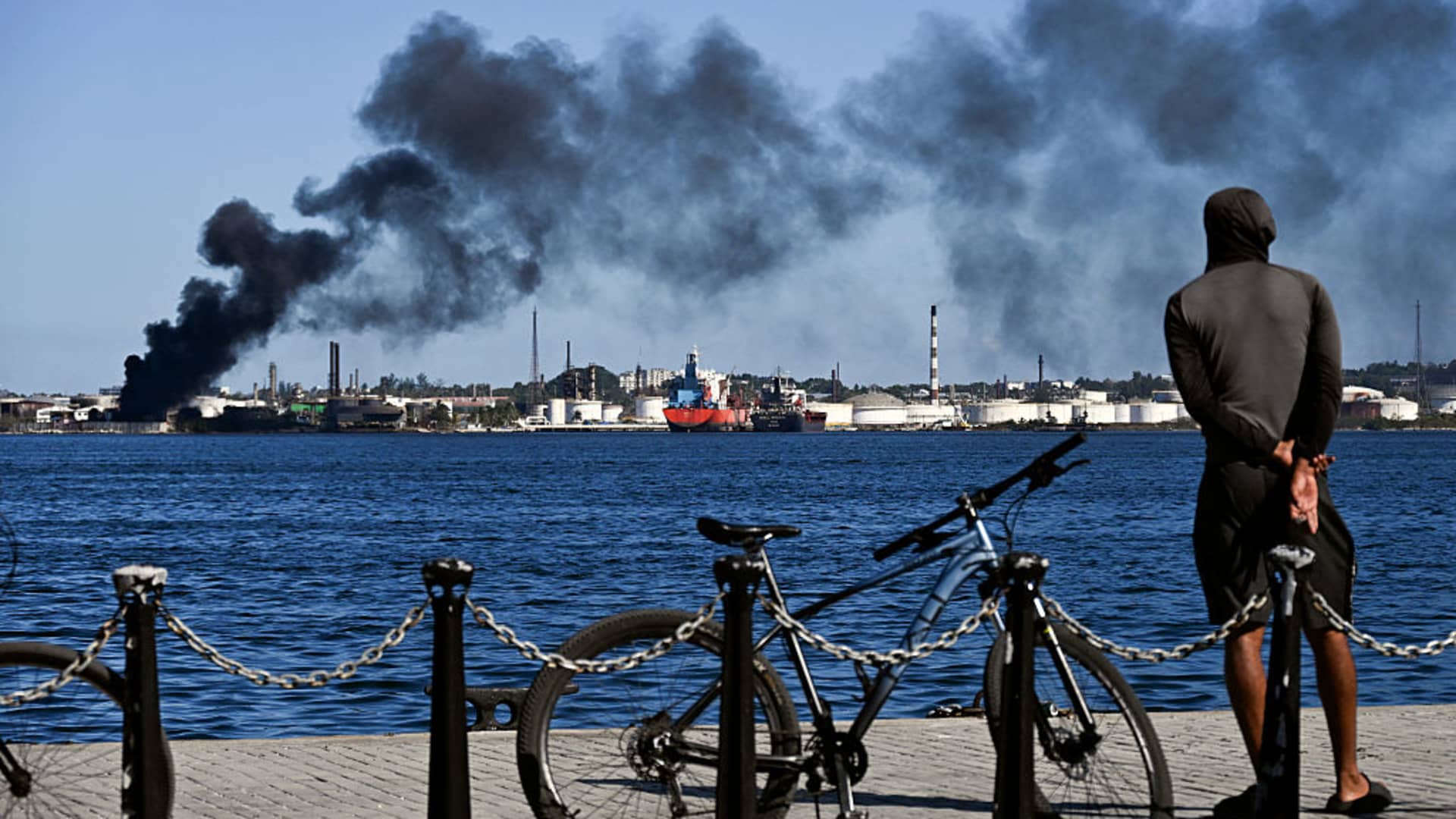
Cuba’s current predicament is a direct consequence of a severe fuel shortage, primarily stemming from U.S. sanctions aimed at cutting off Venezuelan oil supplies to the island. This economic pressure has reached a critical point, leading to significant disruptions across various sectors. A prominent example is the indefinite suspension of Havana’s annual cigar festival, an event that typically draws over 1,000 international guests and generates substantial foreign currency. Habanos S.A., the state-run entity with a monopoly on Cuban cigar sales, cited the need to “preserve the highest standards of quality, excellence and experience,” implicitly acknowledging the underlying economic constraints that make hosting such an international event challenging. This is particularly notable given Habanos S.A. reported record sales of $827 million in 2024, marking a 16% increase over the prior year, underscoring the strategic importance of this export for Cuba’s struggling economy. The scarcity of gasoline has forced a rapid shift in daily mobility, with residents increasingly relying on electric tricycles and bicycle taxis, illustrating the profound societal impact of energy deprivation. The United Nations has even voiced extreme concern, warning of a potential humanitarian “collapse” if Cuba’s oil needs remain unmet. This situation exemplifies how targeted sanctions and geopolitical pressures can rapidly degrade a nation’s energy security, creating ripple effects that impact everything from international trade events to basic transportation.
Current Market Snapshot: Navigating Volatility Amidst Geopolitical Tensions
The backdrop of localized crises like Cuba’s intersects with broader market dynamics, contributing to the persistent volatility we observe in crude prices. As of today, Brent crude trades at $92.24, marking a 2% gain within the day’s range of $89.11 to $94.68. Similarly, WTI crude is priced at $88.73, up 1.5% for the day, having traded between $85.5 and $91.45. This daily uptick comes after a period of significant correction; Brent crude, for instance, has shed nearly 20% over the past two weeks, falling from $118.35 on March 31st to $94.86 just yesterday. This recent retracement suggests that while geopolitical risks are ever-present, market sentiment can shift rapidly on perceived supply-demand balances. Gasoline prices also reflect this volatility, currently standing at $3.11 per gallon, an increase of 2.31% today. The daily fluctuations in these benchmarks highlight the market’s sensitivity to news flow, be it macro-economic indicators, supply disruptions, or, as in Cuba’s case, the tangible effects of geopolitical blockades. Investors must remain vigilant, recognizing that even seemingly isolated events contribute to the overall narrative of supply vulnerability and the potential for upward price pressure.
Investor Focus: Deciphering Directional Trends and Future Outlook
In this environment of heightened uncertainty, investors are actively seeking clarity on the future trajectory of energy markets. A prevailing question among our readership this week revolves around the directional trend for WTI crude – a fundamental concern for anyone with exposure to the sector. This reflects a broader investor anxiety about predicting oil prices by the end of 2026, a complex endeavor given the myriad of geopolitical, economic, and supply-side factors at play. The Cuban situation, while small in global scale, serves as a vivid reminder that supply can be disrupted not just by conflict but also by policy and sanctions, adding layers of unpredictability. Furthermore, specific queries regarding the performance of major players like Repsol by April 2026 demonstrate a granular focus on how individual companies might fare amidst these macro trends. Investors are clearly looking for robust analytical tools and real-time data to help them navigate these turbulent waters, understanding that a comprehensive view requires integrating both broad market movements and specific regional flashpoints.
Forward Outlook: Key Catalysts and Supply Signals on the Horizon
Looking ahead, the next two weeks are packed with critical events that could provide further direction for energy markets, offering investors crucial data points to recalibrate their strategies. The upcoming OPEC+ Joint Ministerial Monitoring Committee (JMMC) Meeting, scheduled for April 21st, will be a primary focus. Any statements or implied shifts in production policy from this influential group could have an immediate impact on crude prices, especially as the market balances concerns about global demand against potential supply constraints. Following this, the U.S. Energy Information Administration (EIA) Weekly Petroleum Status Reports on April 22nd and April 29th, alongside the API Weekly Crude Inventory reports on April 28th and May 5th, will offer vital insights into U.S. crude oil and product inventories, refining activity, and demand indicators. These reports are consistently market-moving, providing a granular view of the world’s largest consumer market. Furthermore, the Baker Hughes Rig Count on April 24th and May 1st will shed light on U.S. drilling activity and future production capacity. Capping off this period, the EIA Short-Term Energy Outlook on May 2nd will present updated forecasts for global and U.S. energy markets, incorporating the latest data and geopolitical developments. These scheduled events, coupled with the ongoing geopolitical tensions exemplified by the Cuban fuel crisis, reinforce the need for investors to maintain a dynamic and informed perspective on energy market fundamentals and risk factors.