Geopolitical Tensions Ignite Crude: A Deep Dive for Investors
The global oil market is once again gripped by heightened geopolitical tensions, following Iran’s claim of a tanker attack and threats to disrupt shipping through the vital Strait of Hormuz. This development has injected a significant risk premium into crude prices, driving them upward this week. Investors are closely monitoring the unfolding situation, seeking clarity on the potential for sustained supply disruptions and the broader implications for energy markets. While the immediate reaction has been a sharp price increase, a comprehensive understanding requires examining current market data, the effectiveness of international responses, and upcoming supply-side catalysts.
The Strait of Hormuz: A Volatile Bottleneck and Its Price Impact
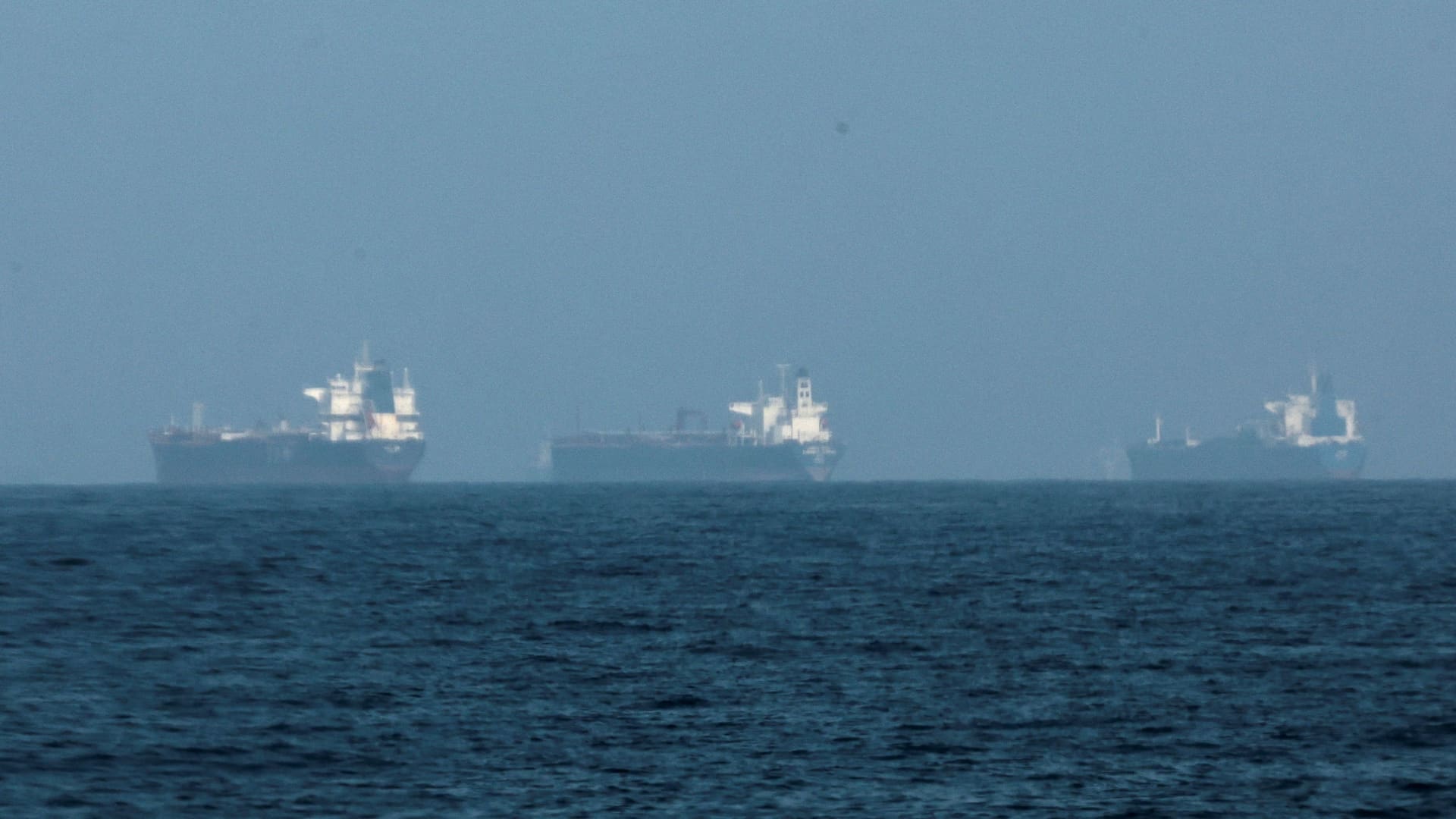
The recent escalation began with Iran’s assertion of striking an oil tanker with a missile, a claim swiftly followed by reports from the British Navy detailing a large explosion near a tanker in Iraqi territorial waters. This incident, coupled with earlier threats from Iran’s Revolutionary Guard to close the Strait of Hormuz, immediately cast a shadow over global oil supply routes. The Strait is a critical chokepoint, through which an estimated 20% of the world’s oil consumption is exported. Such threats inevitably translate to a geopolitical risk premium in crude prices, as traders factor in potential supply disruptions.
As of today, Brent Crude trades at $90.38, while WTI Crude stands at $82.59. These prices reflect a significant uplift this week, a direct response to the escalating tensions. It’s crucial for investors to note this immediate surge comes despite a broader market correction over the past two weeks. Our proprietary data indicates that Brent Crude, for instance, has fallen from $112.78 on March 30th to its current level, marking a nearly 20% decline before this recent geopolitical rebound. This week’s surge, therefore, can be seen as a strong counter-movement to that prior downward trend, underscoring the market’s sensitivity to supply-side shocks, even when the underlying trend had been bearish.
Policy Responses and the Durability of the Risk Premium
In response to the growing instability, President Donald Trump announced that the U.S. would provide political risk insurance for tankers navigating the Strait of Hormuz and, if necessary, deploy the U.S. Navy to escort commercial vessels through the Persian Gulf. While these measures aim to reassure shippers and mitigate immediate fears, the effectiveness and duration of such interventions remain uncertain. White House Press Secretary Karoline Leavitt indicated that there is no firm timeline for when the Strait will be considered safe for commercial shipping, noting that the situation is being actively assessed by the Departments of War and Energy.
The lack of a clear timeline for de-escalation suggests that the geopolitical risk premium could persist for an extended period. Investors must consider that even with naval escorts, the perceived threat and the operational complexities introduced by military presence can elevate shipping costs and insurance premiums, effectively tightening global supply. The market is not simply reacting to potential physical disruptions but also to the increased cost and uncertainty of transit through a historically vital waterway.
Investor Questions and Forward-Looking Market Dynamics
Our proprietary reader intent data reveals a clear focus from investors this week: fundamental questions like “is WTI going up or down?” and long-term price predictions such as “what do you predict the price of oil per barrel will be by end of 2026?” These questions highlight the pervasive uncertainty in the current environment. The immediate direction for WTI and Brent is heavily tied to the evolving situation in the Middle East. Any further escalation or, conversely, a clear de-escalation, will have a pronounced effect on prices.
Looking ahead, several key events on the energy calendar will provide crucial signals for investors. On Monday, April 20th, the OPEC+ Joint Ministerial Monitoring Committee (JMMC) meeting will take place, followed by the full OPEC+ Ministerial Meeting on Saturday, April 25th. These gatherings are particularly significant in the context of recent geopolitical developments. Member states will likely discuss the impact of the Strait of Hormuz situation on global supply and demand balances. Should the group perceive a sustained threat to supply, there could be discussions around production adjustments to stabilize markets, though historical precedent suggests OPEC+ prefers a cautious approach to sudden shifts.
Beyond OPEC+, investors will be watching the API Weekly Crude Inventory reports on April 21st and 28th, and the EIA Weekly Petroleum Status Reports on April 22nd and 29th. These reports offer vital insights into U.S. crude stockpiles and refining activity, which will further inform the supply-demand picture. Lastly, the Baker Hughes Rig Count on April 24th and May 1st will provide a read on North American production trends, a critical factor in the global supply equation. In a market dominated by geopolitical anxiety, these fundamental data points will help investors gauge the underlying health and responsiveness of the global oil supply system.
Navigating the Volatility: A Strategic Approach for Investors
The current market environment demands a strategic and agile approach from investors. While the immediate impulse might be to react to daily headlines, understanding the underlying drivers – the critical nature of the Strait of Hormuz, the limitations of policy responses, and the upcoming supply-side decisions by key players – is paramount. The current geopolitical premium is a significant factor, but its sustainability will depend on the duration and intensity of the tensions. Investors should closely monitor diplomatic efforts, statements from regional powers, and the actual flow of tanker traffic through the Strait.
Furthermore, while the headline geopolitical risk is pushing prices higher, the broader global demand picture and the potential for increased supply from non-OPEC+ nations in response to higher prices should not be overlooked. The interplay between these forces will ultimately determine the long-term trajectory of crude prices. For those seeking to capitalize on or hedge against this volatility, a balanced portfolio and a keen eye on both geopolitical events and fundamental market data will be essential in the weeks and months ahead.


