Crude oil markets often present a paradox, where seemingly straightforward supply decisions clash with complex demand signals and geopolitical undercurrents. Recently, the market demonstrated a fleeting stability following an OPEC+ decision to increase output, a reaction that masked deeper anxieties about global demand and the true extent of future supply. While the initial market response to the alliance’s modest production increment for October provided a momentary reprieve for bearish positions, a closer look at proprietary market data and forward indicators reveals a landscape still fraught with volatility for energy investors. This analysis dives beyond the surface, leveraging live market data and investor sentiment to uncover the underlying dynamics shaping crude oil’s trajectory.
The Nuance of OPEC+ Decisions Amidst Shifting Demand Signals
The Organization of the Petroleum Exporting Countries and its partners (OPEC+) recently announced a planned output increase of 137,000 barrels per day for October. This increment, notably smaller than scheduled increases in the preceding months, was initially perceived by some as a less aggressive supply push than anticipated, leading to a temporary roll-back of bearish positioning and a marginal “relief rally” in crude prices. However, the market’s immediate reaction was swiftly tempered by conflicting signals from the cartel’s de facto leader. Saudi Aramco’s subsequent decision to cut selling prices for its flagship crude grades to Asia, the region’s largest oil market, served as a stark indicator that the alliance perceives a potential softening of demand on the horizon.
It’s crucial for investors to look beyond the headline numbers. While 137,000 b/d was announced, the actual volume of oil entering the market could be significantly lower. Several OPEC+ members continue to face capacity constraints, limiting their ability to fully realize their share of production increases. Furthermore, some members may be pressured to forgo their allotted increases to compensate for previous overproduction. The alliance itself affirmed that the full return of its 1.66 million barrels a day in cuts remains contingent on “evolving market conditions,” a clause that underscores their flexibility but also introduces an element of uncertainty regarding future supply. This dynamic interplay between announced policy, actual capacity, and perceived demand creates a complex environment for crude oil price discovery.
Current Market Headwinds and Investor Focus
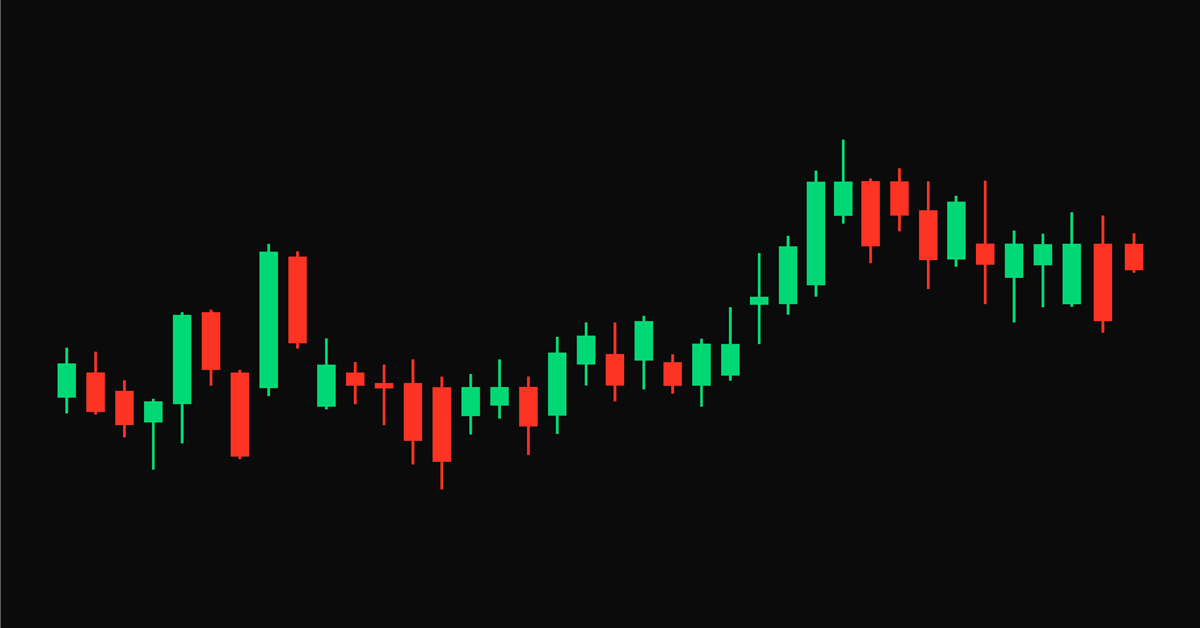
Despite the short-lived stability following the OPEC+ announcement, the broader trend in crude oil prices has been unmistakably downward. As of today, April 17, 2026, Brent crude trades at $98.41, reflecting a nearly 1% decline, with a daily range between $97.92 and $98.58. West Texas Intermediate (WTI) crude stands at $90.13, also down over 1%, trading within a daily range of $89.57 to $90.24. This recent snapshot aligns with a significant broader retreat: our proprietary data reveals Brent crude has shed $14, or 12.4%, in just the last 14 days, falling from $112.57 on March 27 to its current levels. This sharp correction indicates that the market’s underlying concerns about future demand are outweighing the impact of measured supply adjustments.
Our first-party reader intent data further illuminates investor anxieties. This week, we’ve observed a surge in queries such as “What are OPEC+ current production quotas?” and “What is the current Brent crude price?”, highlighting a clear focus on the supply-side management by the cartel and the immediate impact on global benchmarks. These questions underscore a market wrestling with the disconnect between OPEC+’s stated intentions and actual price movements. The prevailing bearish sentiment is not unfounded; the International Energy Agency (IEA) has predicted a record oil surplus next year, a forecast echoed by institutions like Goldman Sachs, which projects Brent crude could dip into the low-$50s. While geopolitical factors, such as discussions around new EU sanctions on Russian energy, introduce potential upside volatility, the demand outlook remains the primary driver of current market pessimism.
Navigating Future Volatility: Key Events on the Horizon
For investors charting the course of crude oil, the coming weeks are packed with critical events that will provide much-needed clarity on market direction, moving beyond mere sentiment. Two significant OPEC+ meetings are slated for April: the Joint Ministerial Monitoring Committee (JMMC) on April 18th, followed by the Full Ministerial meeting on April 20th. These gatherings will be pivotal. Given the alliance’s stated contingency on “evolving market conditions” for further output adjustments, these meetings could either reaffirm their current cautious approach or signal a shift in strategy based on the latest demand assessments. Any deviation from the planned increments, whether an acceleration or a pause, will have immediate and tangible effects on prices.
Beyond OPEC+, a steady stream of weekly inventory reports will offer crucial insights into the real-time supply-demand balance. The API Weekly Crude Inventory reports on April 21st and 28th, followed by the EIA Weekly Petroleum Status Reports on April 22nd and 29th, are essential for tracking U.S. crude stock levels. Any sustained builds in inventories would corroborate the market’s fears of a demand slowdown, while drawdowns could suggest a tighter market than currently perceived. Additionally, the Baker Hughes Rig Count, scheduled for April 17th and 24th, will provide a forward-looking indicator of U.S. drilling activity and potential future supply. Collectively, these upcoming events will serve as crucial data points for investors seeking to refine their investment strategies in a market where the balance between glut and constrained capacity remains exceptionally delicate.
Strategic Implications for Oil & Gas Investors
The current crude oil market environment demands a nuanced and data-driven approach from investors. The prevailing narrative is one of a “relief rally” that quickly evaporated, giving way to a significant price correction driven by demand concerns. As one senior energy trader noted, the market is navigating a “very fine line between oil supply glut and running out of spare production capacity,” a tension exemplified by Saudi Arabia’s unique position as the primary holder of significant spare capacity, effectively putting them “in the driver’s seat.”
For strategic investors in the oil and gas sector, vigilance is paramount. Focus should remain on the actualization of OPEC+ production increases – whether members can truly deliver their promised volumes – and the trajectory of global inventory levels, particularly as reflected in the upcoming weekly EIA and API reports. The ongoing dialogue within OPEC+, culminating in the ministerial meetings, will dictate the pace and scale of future supply adjustments. Furthermore, while the market has priced in much of the current bearish sentiment, any unforeseen geopolitical escalations or sustained positive economic indicators could swiftly alter the demand outlook. In this complex, volatile market, a robust understanding of both macro trends and micro-level data points will be key to identifying opportunities and managing risk in crude oil investing.


