The global oil market finds itself at a critical juncture, navigating a complex interplay of geopolitical tensions and evolving supply chain dynamics. While the immediate threat of a full-scale conflict directly impacting major oil infrastructure appears to have receded slightly, the underlying risks continue to cast a long shadow over crude prices. Our analysis, leveraging proprietary market data and forward-looking intelligence, suggests that investors must now focus less on the binary outcome of direct supply disruption and more on the insidious, sustained impact of elevated operational costs, particularly in shipping.
Geopolitical Premiums: Understanding the Shifting Risk Calculus
The geopolitical landscape in the Middle East remains fraught with uncertainty, driving a significant portion of the current crude premium. Expert assessments indicate a 25 percent probability of a direct attack on critical oil infrastructure, such as Iran’s Kharg Island export terminal or a closure of the Strait of Hormuz. Such an event would undoubtedly trigger a severe spike in global oil prices, inviting immediate international intervention to secure vital shipping lanes. However, the prevailing central case, with a 75 percent probability, posits a scenario where the conflict remains “hot” but avoids direct engagement with oil export facilities. This nuanced distinction is crucial for investors. While the market might breathe a sigh of relief at the avoidance of direct infrastructure hits, it must contend with the persistent implications of heightened risk perceptions that permeate the entire supply chain. The potential for regional retaliation, including strikes on US bases, also remains a significant, albeit less probable, escalation path that would further destabilize the market.
Market Dynamics: Crude Volatility Amidst Geopolitical Tensions
Despite the persistent geopolitical backdrop, recent market movements suggest a complex pricing dynamic. As of today, Brent crude trades at $90.38 per barrel, marking a significant 9.07% decline within its daily range of $86.08 to $98.97. Similarly, WTI crude sits at $82.59, down 9.41% for the day. This recent pullback is notable, especially when observing the broader 14-day trend: Brent has retreated substantially from $112.78 on March 30th to $91.87 just yesterday, a nearly 18.5% depreciation. This sharp correction indicates that the market may have de-risked some of the immediate “full-blown conflict” premium that built up earlier. Gasoline prices have followed suit, currently at $2.93, down 5.18% today. While this might appear to signal a reduction in perceived risk, our proprietary reader intent data reveals that investors are keenly asking how much of a full-blown conflict scenario has truly been priced in. The recent price action suggests a market that is trying to distinguish between the probability of direct infrastructure impact and the inevitable, sustained increase in the cost of doing business within a volatile region.
The Persistent Influence of Shipping Costs and Investor Concerns
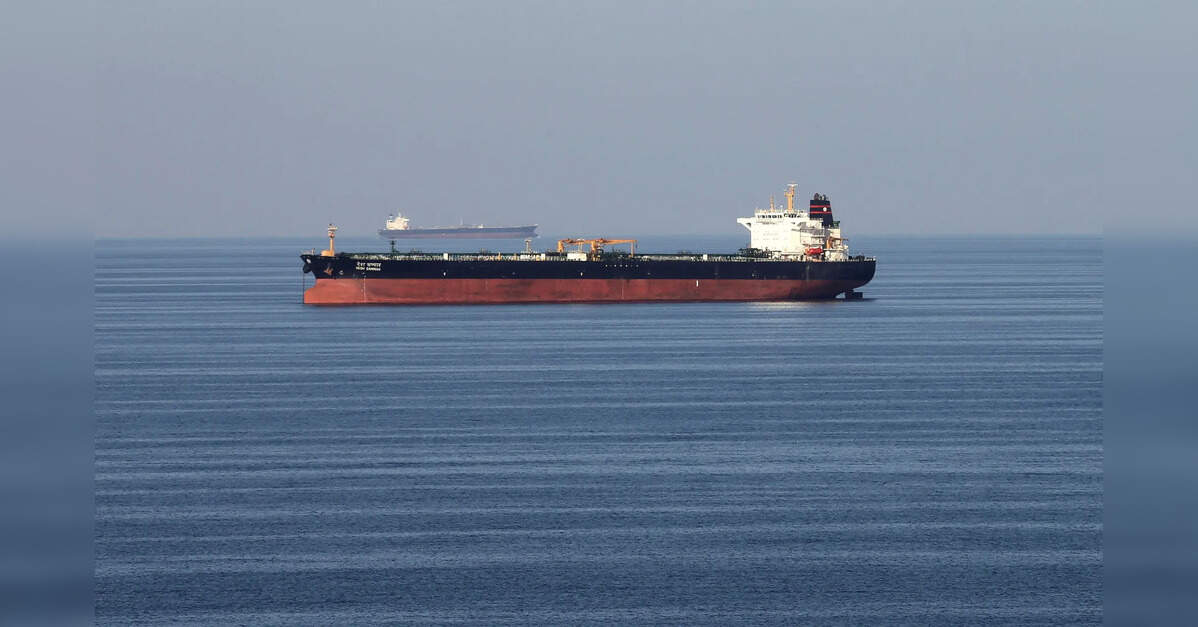
Even if the central case of no direct oil infrastructure impact holds, a critical “other thing” will continue to elevate crude prices: shipping. The heightened risk and uncertainty in key transit regions mean shipping companies are either avoiding calling at ports in the Persian Gulf or demanding significant risk premiums. This translates directly into higher transportation costs for crude oil, which is then passed on to consumers and contributes to sustained higher crude prices. Our internal models suggest that even without a direct military escalation involving oil assets, these elevated shipping costs and reduced vessel availability could maintain crude prices in the $70s for a sustained period, establishing a new, higher floor. This aligns with investor concerns evident in our platform’s query data, where many are asking about the projected price of oil per barrel by the end of 2026. The shipping premium represents a fundamental shift in the cost structure of global oil trade, making it a critical factor in long-term price forecasts. It’s not just about what *could* happen, but what *is* happening to the logistics of supply.
Upcoming Events and Their Impact on Oil’s Trajectory
The coming weeks are packed with crucial events that could provide further direction to crude markets, allowing investors to refine their strategies. The most immediate and impactful are the **OPEC+ Joint Ministerial Monitoring Committee (JMMC) and full Ministerial meetings on April 18th and 19th**, respectively. Our data indicates significant investor interest in “OPEC+ current production quotas.” These meetings will be pivotal in determining if the alliance maintains its current production cuts or signals any adjustments, especially in light of both geopolitical tensions and recent price volatility. A decision to maintain deeper cuts could provide price support, while any hint of increased supply could weigh on the market, particularly if direct conflict seems to abate. Following these, the **API and EIA Weekly Crude Inventory reports on April 21st, 22nd, 28th, and 29th** will offer vital insights into fundamental supply and demand dynamics in the U.S. market. Unexpected builds or draws could shift sentiment regardless of geopolitical noise. Finally, the **Baker Hughes Rig Count on April 24th and May 1st** will provide a pulse on North American production activity, indicating future supply potential. Investors should monitor these events closely, as they will interact with the ongoing geopolitical narrative to shape oil’s near-term trajectory and influence investment decisions.


