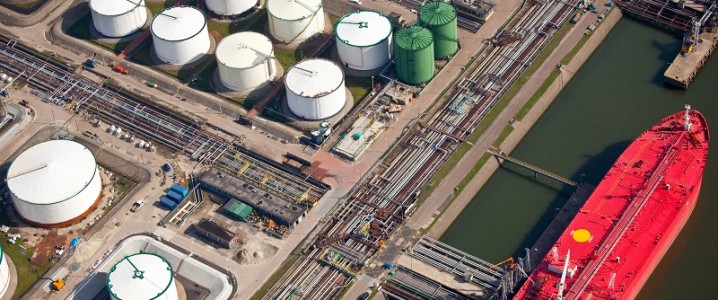
The global oil market is once again grappling with significant geopolitical headwinds, as escalating tensions in the Middle East have triggered immediate supply disruptions. Iraq, a major OPEC+ producer, has commenced curtailing crude output from key southern fields, including Rumaila and West Qurna 2, effectively taking approximately 460,000 barrels per day offline. These reductions stem from logistical challenges, specifically stalled tanker traffic through the Strait of Hormuz, which has pushed storage capacity at southern export terminals to critical levels. This development, coupled with a recent drone attack on the UAE’s Fujairah port – a vital oil export hub outside the Strait – injects a substantial geopolitical risk premium into crude prices, demanding careful attention from energy investors navigating an increasingly volatile landscape.
Geopolitical Flashpoints Drive Immediate Supply Tightness
The decision by Iraqi authorities to reduce crude output is a direct consequence of the perilous security situation in the region. With tanker navigation through the Strait of Hormuz facing severe disruptions, the essential artery for nearly one-fifth of global oil flows has become a chokepoint. This bottleneck has led to a shortage of available tankers for Iraqi exports, causing storage tanks at southern terminals to approach maximum capacity. The resulting 460,000 bpd cut from fields like Rumaila and West Qurna 2 immediately tightens the seaborne crude market, particularly impacting Asian buyers heavily reliant on Middle Eastern barrels.
Further exacerbating regional security concerns was the drone attack on the Port of Fujairah on March 3, 2026. While initial reports indicated no catastrophic structural damage, the incident underscores the heightened vulnerability of critical energy infrastructure across the Gulf. Fujairah is strategically important as one of the UAE’s few oil terminals located south of the Strait of Hormuz, offering an alternative export route. Any sustained threat to such facilities or to the Strait itself poses an existential risk to global supply chains and warrants a significant re-evaluation of regional stability by market participants.
Market Reaction: Prices Surge Amidst Lingering Volatility
The immediate market response to these supply concerns has been a sharp upward movement in crude prices. As of today, Brent crude trades at $94.09 per barrel, reflecting a 0.91% gain within the day’s range of $93.52 to $94.21. Similarly, WTI crude is priced at $90.59, up 1.03% from its intraday low of $89.71. This recent surge marks a significant reversal from the broader trend observed over the past two weeks, where Brent crude had seen a -7% decline, falling from $101.16 on April 1st to $94.09 today. This abrupt shift highlights the market’s sensitivity to geopolitical shocks and the speed at which supply-side events can override prior price trajectories. Investors are keenly focused on whether this upward momentum can be sustained or if other market forces will temper the geopolitical premium, a direct reflection of common investor inquiries about the near-term direction of WTI and broader oil prices.
Forward Outlook: Key Data Points and Catalysts Ahead
Looking ahead, the market will scrutinize several upcoming events for further guidance on supply-demand balances and price direction. The EIA Weekly Petroleum Status Reports, scheduled for April 29th and May 6th, will be critical. These reports offer granular detail on U.S. crude oil, gasoline, and distillate inventories, as well as refining activity. Unexpected inventory draws, particularly in crude, could amplify the bullish sentiment stemming from Middle East supply disruptions, indicating a tighter global market. Conversely, builds could provide a counterweight, signaling robust U.S. supply or softening demand.
The Baker Hughes Rig Count, due on May 1st, will offer insights into North American drilling activity. A stagnant or declining rig count, especially in the context of global supply fears, could suggest a limited ability for U.S. shale to rapidly compensate for international disruptions. Furthermore, the EIA Short-Term Energy Outlook on May 2nd will provide updated projections for global supply, demand, and prices through 2026. This comprehensive outlook will be essential for investors seeking to refine their long-term price predictions, directly addressing questions about where oil prices might settle by the end of the year. Any revisions to supply forecasts, particularly from OPEC+ nations or in response to ongoing geopolitical risks, will be closely watched.
Navigating Investment Strategies in a Volatile Crude Market
For investors, the current environment necessitates a nuanced and agile approach. The immediate Iraqi production cuts and the heightened regional tensions underscore the fragility of global oil supply. While the market has priced in an initial geopolitical risk premium, the duration and potential escalation of these tensions remain key unknowns. Companies with diversified asset portfolios, particularly those with strong cash flow generation from less geopolitically exposed regions, may present more stable investment opportunities. Investors should also monitor the impact on shipping and logistics companies, as prolonged disruptions to tanker traffic could lead to higher freight rates and increased operational costs across the energy value chain.
Beyond crude oil, the ripple effects could extend to refined products. Gasoline prices, currently stable at $3.13 per gallon, could face upward pressure if crude supply tightness persists and refinery throughputs are impacted by logistical challenges or higher input costs. Therefore, a holistic view encompassing crude, refined products, and the broader energy infrastructure is paramount. The current market dynamics underscore the importance of proprietary data and real-time analysis in making informed decisions, providing critical context to global events that can swiftly reshape the investment landscape.


