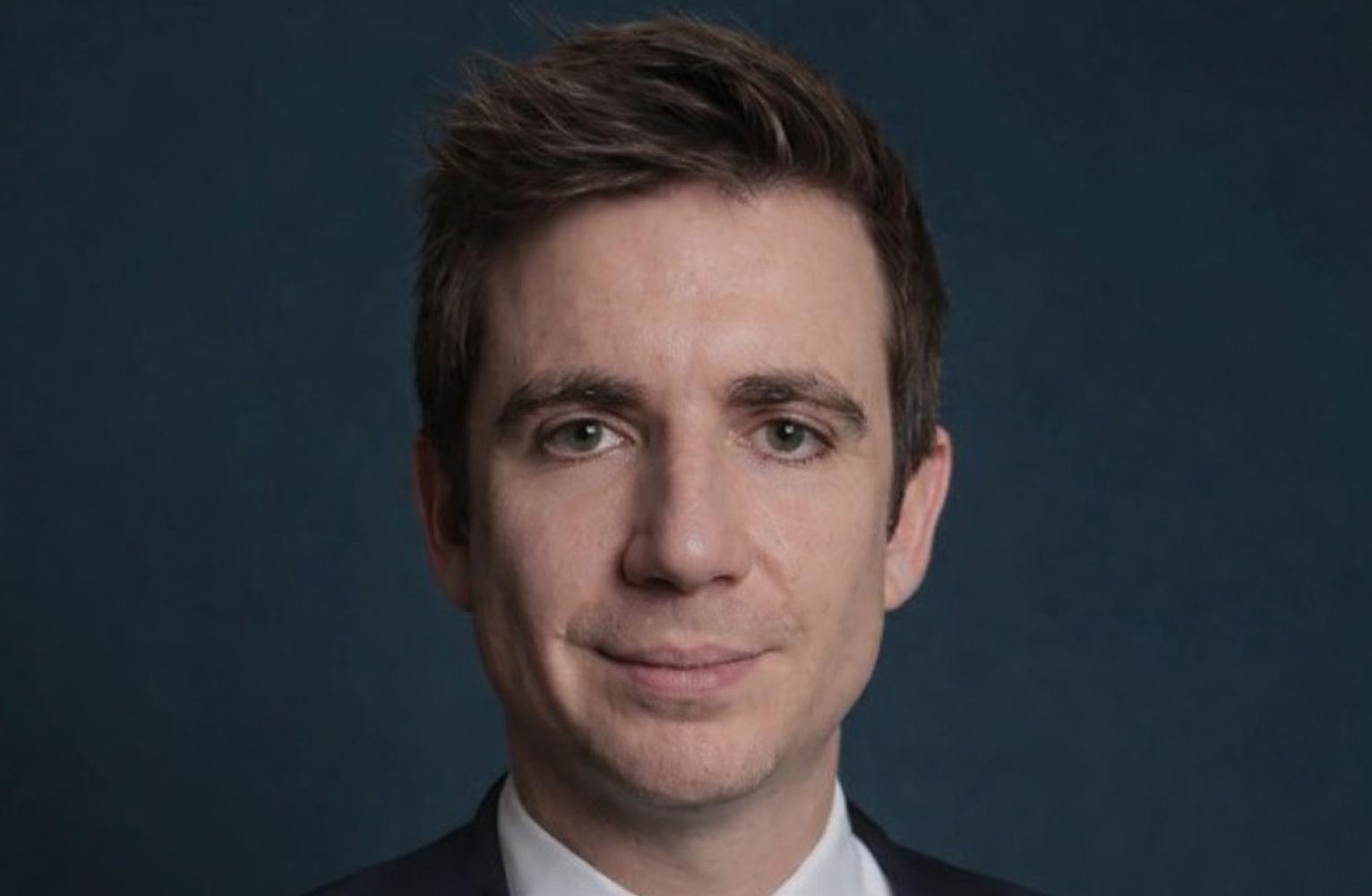
The recent appointment of Quentin Guerineau as Crédit Agricole’s new Chief Sustainability and Impact Officer signals a potentially significant tightening of capital markets for the oil and gas sector, particularly for companies reliant on European financing. Guerineau’s extensive background within the French government, spanning environmental transition and treasury departments, suggests a robust and informed approach to the bank’s sustainability agenda. For investors in oil and gas, this move is not merely an internal HR change but a strategic signal from a major global financial institution that could accelerate the shift away from fossil fuel financing, impacting project viability, cost of capital, and overall sector valuation.
A New Era of Scrutiny: Guerineau’s Mandate and Background
Quentin Guerineau steps into his new role with a formidable resume steeped in French governmental policy, particularly within areas directly relevant to energy and finance. His prior position as Director of the Cabinet to the Minister of Environmental Transition is particularly noteworthy. This experience suggests he arrives at Crédit Agricole with a deep understanding of environmental regulations, climate policy objectives, and the systemic shifts required for a green transition. Furthermore, his tenure within the government’s Treasury Department, where he oversaw bureaus for housing, insurance companies, and intermediaries, and served as an advisor for Industry 4.0 and Europe, equips him with a strong grasp of financial mechanisms and broader economic implications.
This dual expertise in both environmental policy and treasury management is critical. It implies that Crédit Agricole’s sustainability initiatives under Guerineau will likely be less about superficial greenwashing and more about financially sound, policy-driven transitions. For oil and gas companies, this translates to heightened scrutiny on environmental impact assessments, carbon reduction strategies, and long-term financial viability in a decarbonizing economy. His appointment to the bank’s Management Committee, reporting to Grégory Erphelin, who leads a division combining human resources, technological transformation, and sustainability, further embeds his mandate at the core of the bank’s strategic direction. This is not a peripheral role; it is central to how Crédit Agricole will allocate its vast capital.
Market Realities and the Evolving Cost of Capital
While the long-term trajectory for oil and gas capital appears to be tightening, current market conditions for crude oil show a degree of resilience, albeit with notable volatility. As of today, Brent crude trades at $93.86, up 3.79% within a daily range of $89.11 to $95.53. WTI crude similarly saw gains, trading at $90.22, an increase of 3.2%. However, this recent upswing follows a significant 14-day Brent trend, which saw prices drop nearly 20% from $118.35 on March 31st to $94.86 on April 20th, indicating underlying market sensitivity.
Despite these price fluctuations, the broader trend among major European financial institutions is toward increased ESG integration. Crédit Agricole, under Guerineau’s leadership, is poised to accelerate this trend. For oil and gas operators, this means that even when crude prices are robust, securing financing for new projects, or even refinancing existing operations, could become more challenging and expensive. Lenders will increasingly factor in carbon intensity, transition plans, and alignment with climate goals into their risk assessments. Smaller and mid-cap exploration and production (E&P) companies, often more reliant on external debt financing than integrated majors, could feel this pinch most acutely, potentially leading to higher interest rates, more stringent covenants, or even an outright denial of capital for projects deemed out of step with the bank’s evolving sustainability framework. This effectively raises the hurdle rate for new O&G developments.
Investor Questions and the Push Towards Green Financing
The investment community is acutely aware of the shifting landscape, and our proprietary reader intent data highlights this uncertainty. Queries such as “is wti going up or down” and “what do you predict the price of oil per barrel will be by end of 2026?” underscore a fundamental concern about future oil price stability and, by extension, the long-term viability of oil and gas investments. These questions are not just about supply and demand; they are implicitly about the risk premiums associated with an industry facing increasing regulatory, social, and financial headwinds.
Guerineau’s appointment at Crédit Agricole directly addresses these underlying anxieties by signaling a clear direction for capital allocation. Investors are increasingly demanding clarity on ESG risks and opportunities. A major bank consolidating its sustainability leadership under an individual with such a background reinforces the institutional push towards green financing. This move suggests that Crédit Agricole will likely prioritize investments in renewable energy, sustainable agriculture, and other low-carbon sectors, while progressively de-emphasizing or applying significantly stricter criteria to traditional oil and gas projects. For investors, this means that companies failing to articulate a credible transition strategy will find themselves increasingly out of favor, not just with banks but with the broader capital markets. The implicit message is clear: align with the transition or face higher capital costs and diminished investor interest.
Forward Implications: Navigating Upcoming Events and Strategic Adaptation
The impact of Crédit Agricole’s strategic shift will unfold against a backdrop of ongoing market developments and critical industry events. The coming weeks alone present several key moments for the energy sector. Tomorrow, April 22nd, the EIA Weekly Petroleum Status Report will provide fresh insights into U.S. crude inventories and demand, followed by the Baker Hughes Rig Count on April 24th, offering a snapshot of drilling activity. Further EIA reports and the API Weekly Crude Inventory updates will follow in late April and early May, culminating in the EIA Short-Term Energy Outlook on May 2nd.
These events, combined with the OPEC+ JMMC Meeting scheduled for today, April 21st, which could influence global supply policies, will dictate the immediate price environment. However, the long-term implications of tightening capital, as signaled by Crédit Agricole’s appointment, will gradually supersede short-term market dynamics. Oil and gas companies must now proactively adapt their strategies. This involves not only optimizing operational efficiency and reducing emissions but also clearly articulating their role in the energy transition to secure future financing. Companies that can demonstrate robust decarbonization pathways, invest in carbon capture technologies, or diversify into alternative energy ventures will be better positioned to attract capital from institutions like Crédit Agricole. Conversely, those that maintain a ‘business as usual’ approach risk being progressively sidelined from mainstream financial support, making even profitable projects difficult to fund in an increasingly ESG-driven lending environment.


