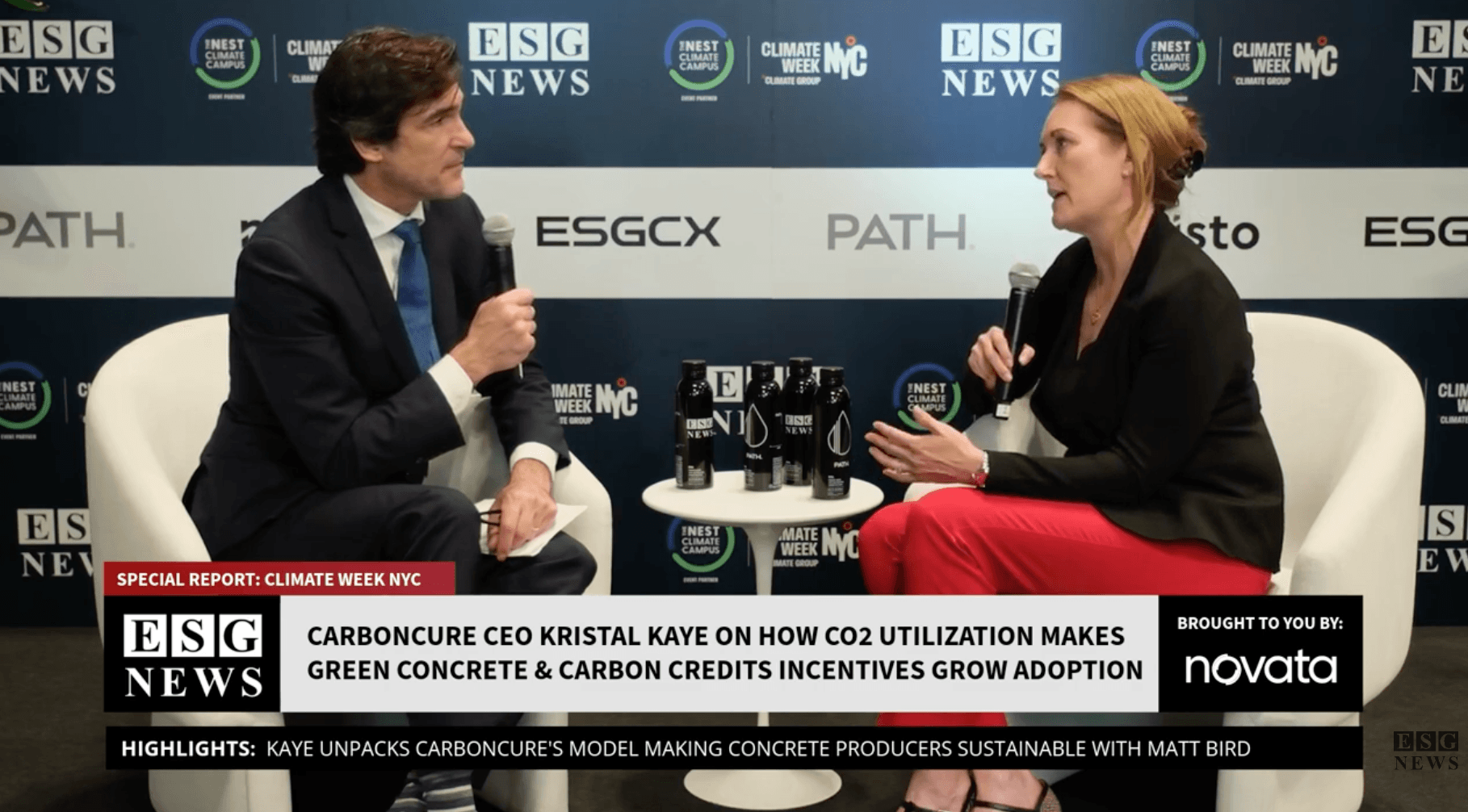
The energy investment landscape is in constant flux, but one area consistently gaining traction is the intersection of traditional industries and innovative sustainability. For discerning investors, the burgeoning field of CO₂ utilization in construction materials, particularly concrete, presents a compelling ESG opportunity that directly addresses decarbonization challenges while offering tangible financial returns. As global demand for infrastructure continues to rise, identifying technologies that can mitigate environmental impact without sacrificing performance or cost-effectiveness becomes paramount. This analysis delves into how advancements in concrete production are not just a feel-good story, but a validated investment thesis, offering resilience against broader market volatility and aligning with long-term climate goals.
Revolutionizing Construction: The CarbonCure Model
The concept of injecting captured carbon dioxide into fresh concrete to permanently mineralize it is a game-changer for the construction sector. Companies pioneering this approach are fundamentally transforming one of the world’s most CO₂-intensive industries. By integrating CO₂ directly into the concrete mix, innovators are achieving a dual benefit: a reduction in the required cement content – a major source of emissions – and the permanent sequestration of CO₂. This process not only cuts emissions but also generates verified carbon credits, creating an additional revenue stream and enhancing project economics. With over 600 systems already deployed across 24 countries, preventing more than 20 metric tons of CO₂ per plant daily, the scalability and impact are undeniable. The backing of institutional giants like Amazon, global banks, and MIT underscores the significant confidence in this technology’s potential, moving it far beyond a niche solution to a mainstream component of sustainable infrastructure development. This is not just about reducing a carbon footprint; it’s about building a better, more sustainable product with proven cost savings and robust carbon market validation.
Navigating Volatility: Macro Backdrop for Green Investments
The broader energy market currently presents a volatile picture, highlighting the strategic importance of diversified, resilient investments. As of today, Brent crude trades at $90.38, reflecting a substantial 9.07% decline from its opening, with a day range between $86.08 and $98.97. WTI crude similarly saw a significant drop, trading at $82.59, down 9.41%. Gasoline prices have also dipped to $2.93, a 5.18% decrease. This recent downturn follows a notable 14-day trend where Brent crude shed nearly 20% of its value, falling from $112.78 on March 30th to today’s $90.38. Such sharp fluctuations underscore the inherent unpredictability of fossil fuel markets, driven by geopolitical tensions, supply-demand imbalances, and shifting economic forecasts. In this environment, investments in proven carbon utilization technologies, like those in concrete, offer a compelling hedge. They provide exposure to growth sectors underpinned by regulatory tailwinds and increasing corporate ESG mandates, offering a degree of insulation from the immediate swings of the hydrocarbon market. For investors seeking stability and long-term value, the predictable, verifiable impact of CO₂ mineralization in concrete stands in stark contrast to the often-turbulent conventional energy landscape.
Policy, Payouts, and the Path Forward: Upcoming Catalysts
The future trajectory for carbon utilization technologies is strongly tied to evolving policy frameworks and the maturation of carbon markets. Looking towards 2026, companies like CarbonCure are actively accelerating green construction initiatives across North America, Asia, and Europe, driven by anticipated policy reforms and expanding direct carbon credit programs. This proactive approach to leveraging policy is critical. Upcoming macro energy events, such as the OPEC+ JMMC and Ministerial Meetings scheduled for April 19th and 20th, alongside weekly API and EIA inventory reports, will continue to shape the overall energy investment climate. While these events directly impact crude prices, they also indirectly influence the urgency and viability of alternative energy and decarbonization strategies. A more volatile or constrained traditional energy market can heighten the appeal for stable, verifiable climate solutions. Furthermore, the leadership of seasoned finance executives like Kristal Kaye, with over 30 years of experience across diverse industries including energy and mining, signals a pragmatic, results-oriented approach to scaling these solutions. Her appointment as Interim CEO in June 2025, following a rapid integration into the company’s strategy as CFO, highlights a focus on operational efficiency and driving actionable climate solutions, aligning perfectly with the strategic push for broader market adoption through policy and carbon credit mechanisms.
Investor Sentiment and the Search for Sustainable Returns
Our proprietary reader intent data reveals investors are keenly focused on navigating uncertainty, seeking both predictive insights into market movements and reliable avenues for long-term growth. Questions like “What do you predict the price of oil per barrel will be by end of 2026?” and inquiries about specific company performance underscore a desire for clarity in a complex market. This search for predictable returns makes ESG-aligned investments, particularly those with tangible, measurable impacts and validated financial models, increasingly attractive. The ability to permanently mineralize CO₂ within concrete offers a powerful narrative for investors seeking to align capital with environmental responsibility without sacrificing financial performance. It’s a clear, quantifiable solution that sidesteps the complexity and volatility often associated with other carbon capture or renewable energy projects. Investors are also asking about the underlying data sources and APIs powering our market intelligence, indicating a sophisticated demand for transparency and verifiable information. Technologies that offer such transparency – through verified carbon credits and measurable emission reductions – inherently resonate with this investor mindset, providing a robust framework for assessing sustainable returns in a rapidly evolving energy landscape.


