

Colombia’s Energy Crossroads: A Critical Juncture for Upstream Investors
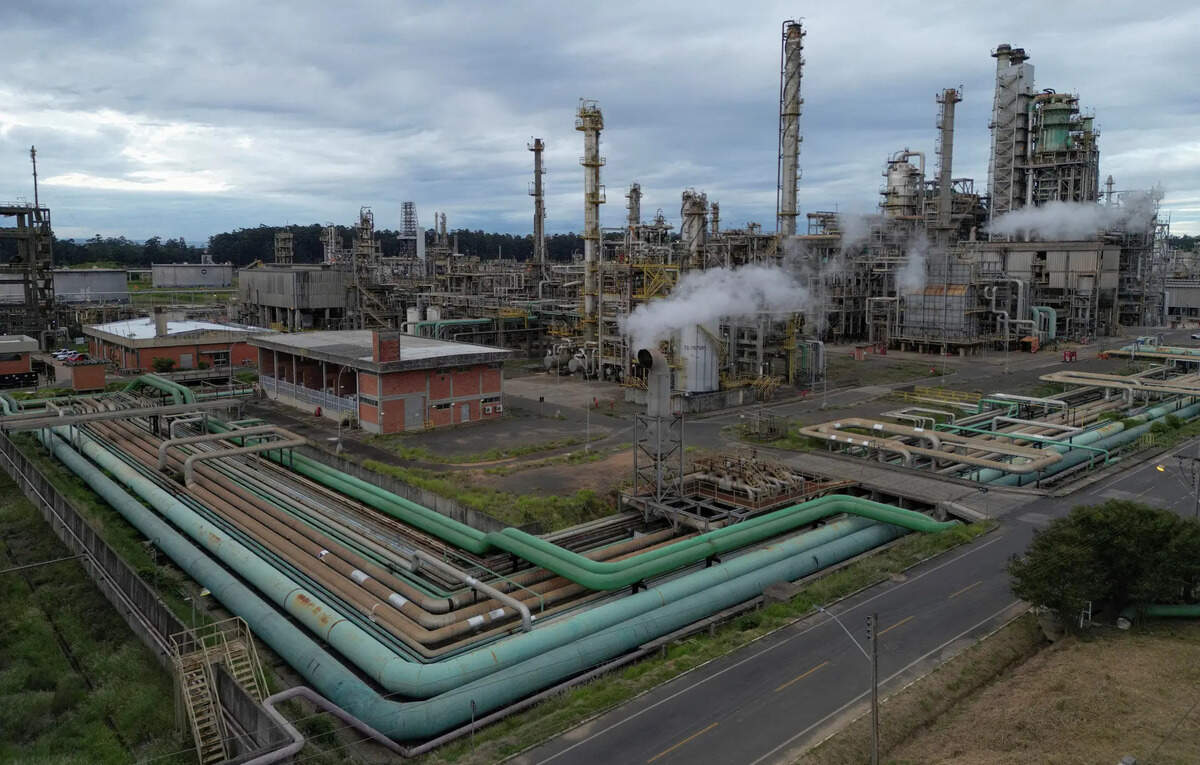
Colombia finds itself at a pivotal moment, grappling with diminishing hydrocarbon reserves while its government champions a transformative shift towards renewable energy. This delicate balance presents both significant challenges and unique opportunities for global investors closely monitoring the South American nation’s energy sector. The country’s leading industry body, Campetrol, has recently unveiled a strategic framework designed to re-energize upstream investment and secure vital natural gas supplies, signaling a crucial period for strategic decision-making in Bogotá and boardrooms worldwide.
Revitalizing Upstream: Campetrol’s Bold Investment Blueprint
Campetrol’s comprehensive proposals directly address the accelerating decline in oil and gas exploration and production (E&P), aiming to avert a looming natural gas deficit. For astute investors, these recommendations highlight potential areas of growth and stability. Key among them is the designation of offshore projects as indispensable for future gas supply, a move that could unlock substantial deepwater exploration opportunities. Furthermore, the plan advocates for recalibrating existing contracts to incentivize greater output and extending the operational lifespan of current projects, offering the prospect of more predictable returns through enhanced contract stability and optimized asset utilization.
The industry’s warnings are unequivocal: escalating operational costs are severely eroding competitiveness. Factors such as persistent blockades, the specter of extortion, and stringent labor regulations create a formidable operating environment. These challenges directly impact project economics, threatening Colombia’s short-term energy self-sufficiency and adding a layer of complexity to any potential E&P investment. Investors must carefully weigh these operational realities against the nation’s undeniable hydrocarbon potential.
The Alarming Decline: Colombia’s Reserve Crisis Unpacked
The latest figures from the National Hydrocarbon Agency (ANH) paint a stark picture for Colombia’s energy security, demanding immediate attention from long-term capital allocators. In 2023, the nation’s crude oil reserves contracted by 2.6%, settling at a concerning 2.0 billion barrels. At current consumption rates, this translates to a mere 7.1 years of supply. This trajectory underscores the urgent need for new discoveries to sustain future oil production and maintain export capacity.
The natural gas outlook is even more precarious, posing a significant challenge to President Gustavo Petro’s ambitious renewable energy transition plans, which rely heavily on gas as a transitional fuel. Gas reserves plummeted by a dramatic 15.8% in 2023, reaching just 2.4 trillion cubic feet. This volume provides only 6.1 years of consumption, signaling Colombia’s rapidly increasing reliance on imported gas to satisfy its internal demand. For investors, this sharp decline in gas reserves highlights not only the critical urgency for new domestic discoveries but also the potential for lucrative opportunities in gas import infrastructure and liquefied natural gas (LNG) projects to bridge the supply gap.
Navigating Policy Headwinds: Renewable Ambitions vs. Economic Realities
Since assuming office in 2022, President Petro’s administration has implemented a significant policy shift, halting the signing of any new hydrocarbon exploration contracts. This directive aims to pivot Colombia towards a future dominated by solar and wind energy, thereby reducing its historical dependence on fossil fuels. While environmentally commendable, this abrupt policy change introduces considerable uncertainty for investors in the traditional energy sector and has profound economic implications.
The cessation of new exploration contracts, without a robust and immediate alternative for energy supply, jeopardizes Colombia’s long-term energy independence. Reduced E&P activity inevitably leads to a decline in future production, necessitating increased energy imports. This shift could significantly impact the national budget, transforming Colombia from a net energy exporter into an importer, thereby straining its trade balance and foreign exchange reserves. For investors, this creates a complex environment where existing assets might face higher operational pressure, while new capital deployment in traditional E&P is severely constrained by policy, rather than geological potential.
Economic Fallout: The Cost of Energy Import Dependency
The economic ramifications of declining domestic hydrocarbon production extend far beyond the immediate energy sector. A move towards greater energy import dependency would exert substantial pressure on Colombia’s fiscal health. The country traditionally relies on oil and gas revenues for a significant portion of its budget and export earnings. A reduction in these streams, coupled with increased spending on imported fuels, could lead to widened trade deficits, currency depreciation, and a potential downgrade in sovereign credit ratings. These macroeconomic factors directly influence the attractiveness of the Colombian market for all forms of foreign direct investment, not just in energy.
Furthermore, the cost of imported natural gas, particularly LNG, is typically higher and more volatile than domestically produced supplies. This increased cost would inevitably be passed on to consumers and industries, potentially fueling inflation and reducing industrial competitiveness. Businesses reliant on affordable energy inputs could face higher operating expenses, impacting profitability and growth. Investors should monitor these economic indicators closely, as they reflect the broader financial health and stability of the Colombian market under the current energy transition strategy.
Investment Outlook: Opportunities Amidst Strategic Rethinking
Despite the prevailing policy headwinds and operational challenges, Colombia’s energy sector continues to present strategic investment opportunities. While new E&P contracts are paused, the focus shifts to optimizing existing assets and exploring solutions that align with the nation’s dual objectives of energy security and transition. Investors with stakes in current production assets may find value in efficiency enhancements, advanced recovery techniques, and strategic extensions of project lifespans, particularly if Campetrol’s proposals gain traction.
The burgeoning natural gas deficit also creates a compelling case for investment in critical infrastructure. Projects involving gas import terminals, pipelines, and potentially domestic storage facilities could become essential for meeting internal demand. Furthermore, the government’s strong commitment to renewables opens avenues for significant investment in solar and wind power generation, as well as associated grid infrastructure. Prudent investors will assess Colombia’s evolving energy landscape, seeking opportunities that either capitalize on the continued need for hydrocarbons from existing sources or align with the nation’s long-term renewable energy aspirations, navigating the complexities with a strategic and forward-looking approach.
