The global energy landscape is undergoing a profound transformation, driven not only by market dynamics and geopolitical shifts but increasingly by a burgeoning wave of climate litigation. For oil and gas investors, this developing legal frontier represents a significant, yet often underestimated, source of financial risk and opportunity. The recent move by Pakistani farmers to sue German industrial giants RWE and Heidelberg Materials over flood damages is not an isolated incident; it’s a stark indicator of a critical pivot in climate accountability, shifting the burden from abstract policy discussions to direct corporate liability. This precedent-setting action demands a rigorous re-evaluation of portfolio exposures and long-term investment strategies within the energy sector.
The Expanding Net of Climate Liability – A New Era of Financial Risk
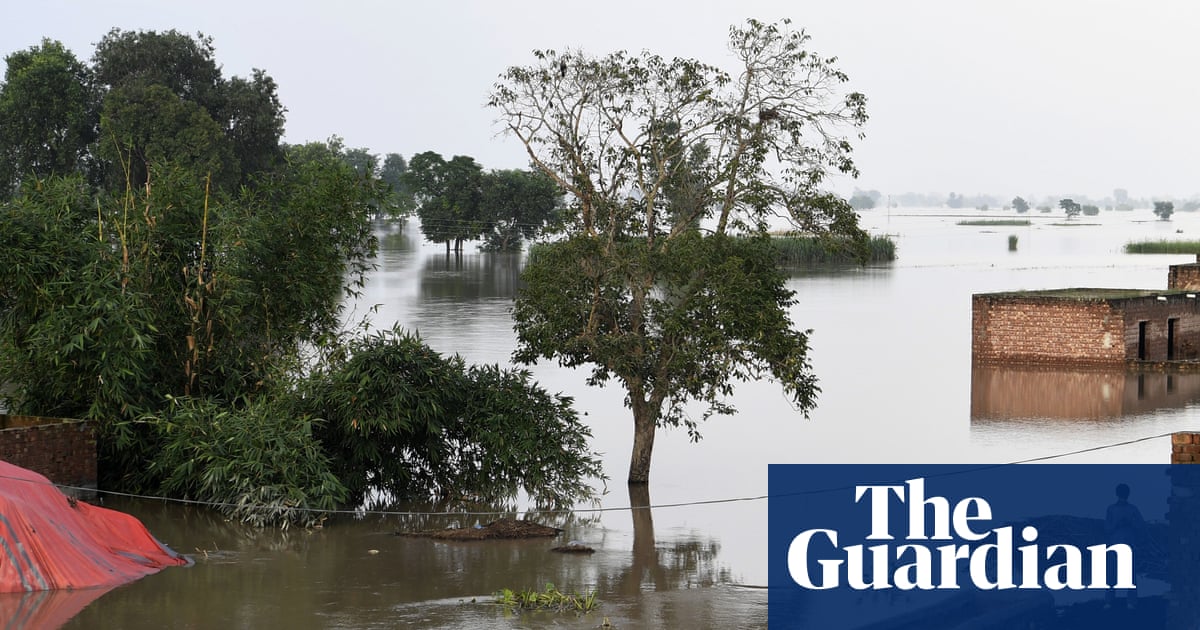
The legal action initiated by 43 farmers from Pakistan’s Sindh region against RWE and Heidelberg Materials marks a powerful escalation in the climate liability debate. These claimants, having lost multiple harvests and suffered estimated damages of €1 million from the devastating 2022 floods, are seeking direct compensation, arguing that these companies bear a measurable responsibility for global greenhouse gas emissions. The Climate Accountability Institute’s figures, citing RWE’s contribution of 0.68% of global industrial GHG emissions since 1965 and Heidelberg’s 0.12%, underscore the specific, data-driven nature of these claims. This isn’t just about moral responsibility; it’s about quantifiable impact being linked to legal and financial obligations.
This case is part of a broader, emerging trend of cross-border climate damages litigation. Similar actions, such as typhoon survivors suing Shell in UK courts and a claim against Holcim in Switzerland, demonstrate a growing appetite for legal recourse against high-emitting corporations. The crucial takeaway for investors is that the legal framework is evolving, potentially turning historical emissions into present-day liabilities. Companies with significant historical carbon footprints, particularly those in the fossil fuel and heavy industry sectors, must now factor in the increasing probability of direct legal challenges. This introduces a new layer of risk assessment, moving beyond regulatory compliance to the unpredictable and potentially costly realm of civil damages.
Market Volatility & The Cost of Carbon: An Investor’s Perspective
While the long-term implications of climate litigation unfold, the immediate market environment presents its own set of challenges and signals. As of today, Brent Crude trades at $90.38, representing a significant decline of 9.07% within the day’s range of $86.08 to $98.97. Similarly, WTI Crude is at $82.59, down 9.41%. This sharp correction follows a broader trend, with Brent having shed $22.4, or nearly 20%, from $112.78 just 14 days ago on March 30. Such pronounced volatility complicates capital allocation and strategic planning for energy firms, especially those facing new legal exposures.
For investors actively seeking to understand future market direction, a key question frequently posed to our AI assistant is, “What do you predict the price of oil per barrel will be by end of 2026?” The answer becomes increasingly complex when considering the rising “social cost of carbon” that litigation introduces. Beyond carbon taxes or emissions trading schemes, direct liability claims can effectively add an unforeseen, potentially massive, cost to operations. This financial burden could divert capital from essential energy transition investments, impact dividend policies, or necessitate costly legal battles, all of which weigh on future profitability and asset valuations. Companies with strong balance sheets and diversified energy portfolios may be better positioned to absorb these shocks, but the market’s current downward pressure on crude prices makes this an even more challenging environment to navigate.
Navigating Regulatory Scrutiny and Shareholder Demands
The increasing prominence of climate liability suits is not occurring in a vacuum; it is intersecting with heightened regulatory scrutiny and intensifying shareholder activism around environmental, social, and governance (ESG) factors. The formal letters before action sent to RWE and Heidelberg Materials are a precursor to potential court proceedings in December. This impending legal battle will undoubtedly amplify calls for greater transparency in climate risk reporting and more robust decarbonization strategies from energy companies globally. Investors, as evidenced by questions like “How well do you think Repsol will end in April 2026?”, are already focused on company-specific performance metrics, which will increasingly include exposure to and management of climate-related legal risks.
Regulators in various jurisdictions are taking note, potentially leading to new disclosure requirements that force companies to quantify their exposure to climate litigation. Shareholders, particularly those with an ESG mandate, are likely to leverage these legal developments to push for accelerated emission reduction targets, increased investment in renewables, and even changes in executive compensation tied to climate performance. Companies that fail to proactively address these evolving pressures risk not only legal penalties but also reputational damage, reduced access to capital, and a declining social license to operate. The December court date for the German case serves as a critical near-term milestone that will offer further insights into the judiciary’s willingness to hold corporations directly accountable for climate impacts.
Strategic Implications for Oil & Gas Majors – Adaptation or Retreat?
The confluence of market volatility and escalating climate litigation presents a pivotal moment for oil and gas majors. Their strategic responses will dictate their long-term viability and investor appeal. While companies contend with these new legal frontiers, the fundamental supply-demand dynamics of the global energy market remain critical. Upcoming events, such as the OPEC+ JMMC and Ministerial Meetings on April 19th and 20th respectively, are keenly watched by investors. Questions such as “What are OPEC+ current production quotas?” highlight the ongoing focus on supply management and its impact on crude prices.
A stable, or ideally higher, price environment, potentially influenced by OPEC+ decisions, could provide a revenue buffer that companies might need to fund legal defenses, invest in carbon capture technologies, or accelerate their transition to lower-carbon energy sources. Conversely, prolonged periods of low prices, exacerbated by market oversupply or weakened demand, would intensify the financial strain on companies already grappling with the looming costs of climate liability. The strategic choices are stark: accelerate diversification into renewables and low-carbon solutions, aggressively pursue operational decarbonization, or face the increasing risk of being caught between declining fossil fuel demand and mounting legal and financial penalties. The firms that adapt most effectively by integrating climate risk into their core business models and capital allocation decisions will likely emerge as the investment leaders of tomorrow.