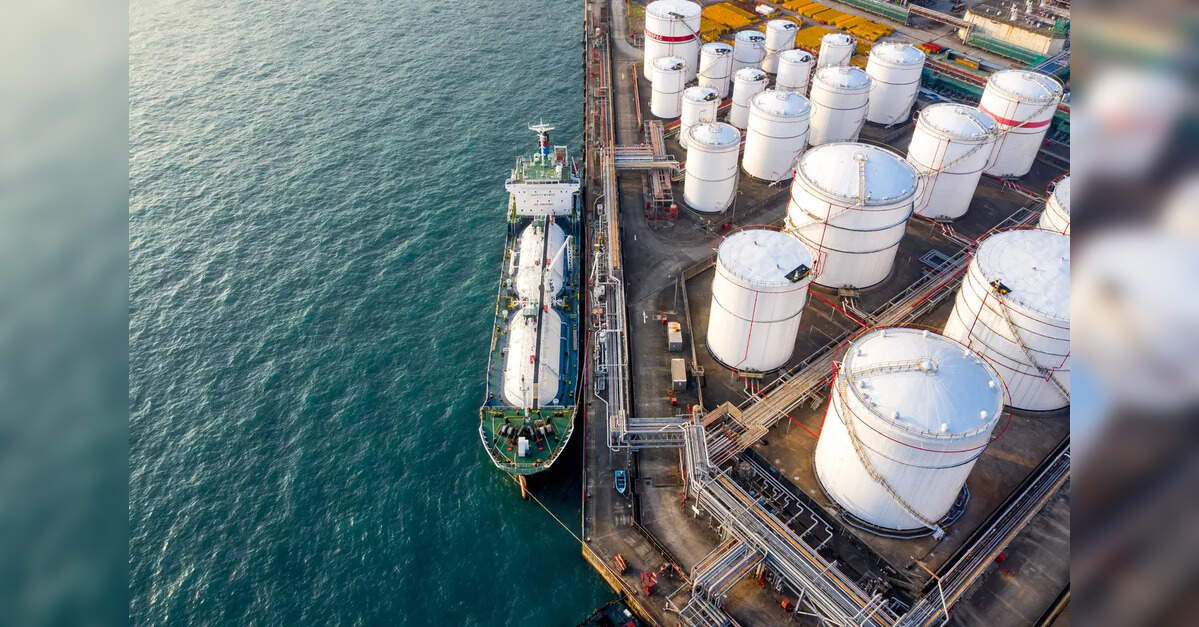
The global refined products market is bracing for significant shifts following China’s directive to its leading oil refiners to immediately suspend exports of diesel and gasoline. This strategic pivot, communicated by officials from the National Development and Reform Commission (NDRC), underscores Beijing’s proactive stance in prioritizing domestic energy security amidst escalating geopolitical tensions in the Persian Gulf. With crude oil arrivals reportedly disrupted, the move by major state-owned players like PetroChina, Sinopec, CNOOC, Sinochem Group, and private refiner Zhejiang Petrochemical, sends a clear signal across Asia and the wider energy landscape. For investors, this development introduces new variables into an already complex equation, impacting everything from refining margins to global supply-demand balances.
China’s Export Halt: A Strategic Shield for Domestic Supply
Just six days into a deepening conflict in West Asia, China’s decision to halt refined product exports highlights a growing scramble for energy security across the continent. While China’s vast refining sector primarily caters to its enormous domestic demand, it also stands as the third-largest supplier of oil products into the broader Asian region. The immediate suspension of diesel and gasoline shipments, mandated by the NDRC, is a direct response to potential disruptions in crude oil deliveries from the Persian Gulf, a critical supply artery. This action ensures that China’s domestic market remains well-supplied, but it simultaneously removes a significant volume of refined products from international circulation. The repercussions will be felt keenly in markets that rely on Chinese exports, potentially tightening supplies and pushing up regional prices for these key fuels. Investors should monitor how this internal re-prioritization affects the operational strategies and profitability of the named Chinese refiners, which, while securing their domestic position, will forego international sales.
Market Dynamics and Investor Sentiment Amidst Geopolitical Volatility
The market’s immediate reaction to such a significant supply-side development is crucial for investors. As of today, April 22, 2026, Brent Crude is trading at $93.04, reflecting a marginal daily dip of 0.21%, with a range between $92.57 and $94.21. Similarly, WTI Crude stands at $89.43, down 0.27%, moving within a daily range of $88.76 to $90.71. Gasoline prices have also seen a slight decline, currently at $3.11, down 0.64% for the day. This seemingly counterintuitive dip, despite news of tightening refined product supply, suggests that other market forces, perhaps broader demand concerns or a temporary unwinding of risk premium, are currently at play. However, it’s important to contextualize this against the 14-day Brent trend, which saw prices fall from $101.16 on April 1st to $94.09 on April 21st, representing a 7% decline. The Chinese export halt, while not immediately reversing the recent bearish momentum in crude, could provide a significant floor for refined product prices and prevent further substantial declines in crude by indicating a strong commitment to domestic stability. A frequent question among our readers, reflecting this uncertainty, concerns the immediate trajectory of WTI crude and the overall price of oil per barrel by the end of 2026. This Chinese directive introduces a bullish element for refined product prices, potentially setting the stage for a rebound or at least mitigating further downside for crude by highlighting supply vulnerabilities.
Forward Outlook: Key Events Shaping Future Price Action
Understanding the future trajectory of oil and gas markets requires close attention to upcoming data releases, especially in light of China’s recent policy. Investors should mark their calendars for several critical events in the coming weeks. The EIA Weekly Petroleum Status Report, scheduled for release on April 22nd, April 29th, and May 6th, will offer invaluable insights into U.S. crude oil and refined product inventories. Any drawdowns in gasoline or diesel stocks, particularly in Asia-Pacific trading hubs that typically receive Chinese exports, could amplify the impact of Beijing’s decision. Similarly, the API Weekly Crude Inventory reports on April 28th and May 5th will provide an early indication of shifts in storage levels. These inventory figures will be crucial barometers for assessing the true market tightness. Furthermore, the Baker Hughes Rig Count on April 24th and May 1st will shed light on North American production trends, potentially indicating whether higher prices are incentivizing increased drilling activity. Perhaps most significantly for longer-term investors, the EIA Short-Term Energy Outlook on May 2nd will provide updated forecasts that will undoubtedly incorporate the implications of the Persian Gulf conflict and China’s strategic response, offering a more comprehensive view on future supply-demand balances and price predictions into the latter half of 2026.
Investment Implications Across the Energy Value Chain
China’s halt on fuel exports carries significant investment implications that extend beyond immediate price fluctuations. For the country’s major refiners – PetroChina, Sinopec, CNOOC, Sinochem Group, and Zhejiang Petrochemical – this means a guaranteed domestic market, potentially stabilizing or even boosting their internal refining margins, even as they forgo lucrative export revenues. Investors holding stakes in these entities will need to weigh the benefits of domestic market security against the loss of international market share. Conversely, refiners in other Asian nations, who may have relied on Chinese product imports, could see an opportunity to increase their own utilization rates to fill the supply gap. This might lead to heightened competition for crude oil feedstocks in the region. Beyond the refining sector, the overarching theme of energy security and supply chain resilience will drive investment decisions. Companies with diversified crude sourcing strategies or robust domestic production capabilities may be viewed more favorably. The geopolitical risk premium in oil prices is likely to persist, influencing long-term capital allocation in exploration and production. Investors should consider how this event reshapes global trade flows for refined products and whether it accelerates investments in alternative energy sources or infrastructure projects designed to mitigate similar supply shocks in the future. Monitoring these strategic shifts will be paramount for navigating the evolving energy landscape.


