Geopolitical Spats and the Future of Oil Demand: The India-China EV Subsidy Battle
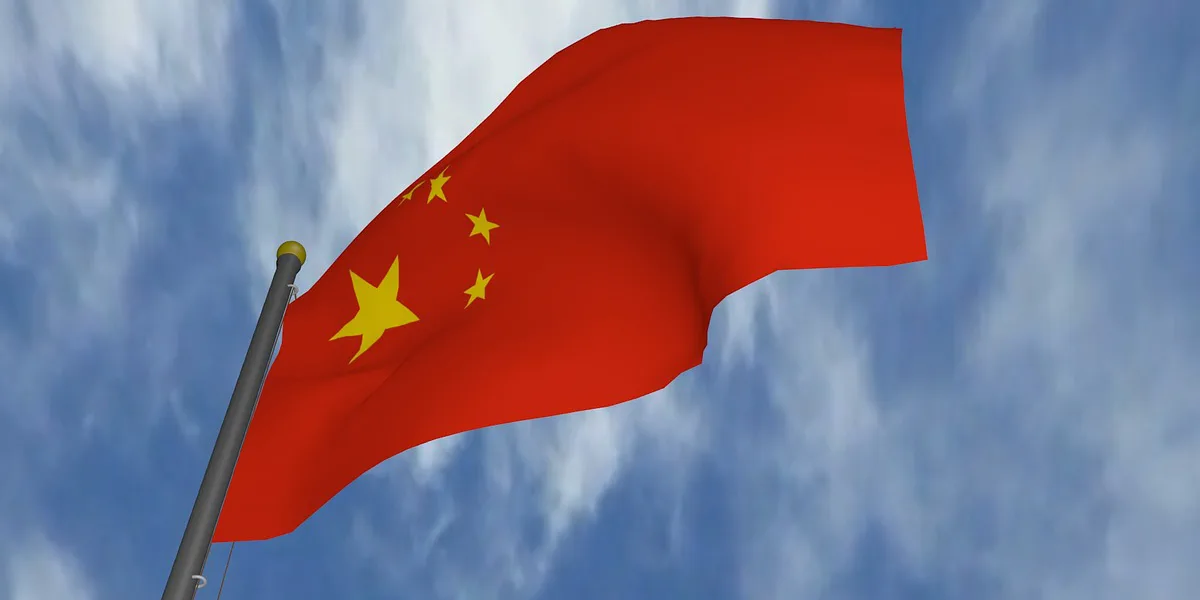
The global energy landscape is a complex tapestry woven from economic ambition, technological innovation, and geopolitical maneuvering. A recent formal challenge by China to India at the World Trade Organization (WTO) over electric vehicle (EV) and battery cell production subsidies exemplifies this complexity, demanding close attention from oil and gas investors. While seemingly a trade dispute, this confrontation has significant, albeit indirect, implications for future oil demand, particularly in India – a critical growth engine for global energy consumption. Understanding the trajectory of EV adoption in key emerging markets like India is paramount for accurately forecasting long-term petroleum demand, making this WTO dispute far more than just another trade headline for our sector.
India’s EV Ambitions Under Scrutiny: A Demand-Side Variable
India’s commitment to electrifying its transportation sector is evident through initiatives like the PM E-Drive scheme, launched in 2024, and the Production Linked Incentive (PLI) scheme, active since 2020. These programs offer substantial subsidies and tax benefits to manufacturers producing EVs and components domestically, covering everything from two-wheelers to commercial vehicles. The core of China’s WTO complaint centers on the contention that these incentives, tied to domestic value addition and localization, violate WTO rules, specifically the national-treatment clause and prohibitions against import-substitution subsidies. Beijing argues these measures unfairly advantage Indian companies within their own market, curbing foreign competition. For oil and gas investors, the crux of the matter lies in how this dispute could impact the pace of India’s EV transition. A slower, more challenging path for domestic EV manufacturing, potentially resulting from adverse WTO rulings or prolonged legal battles, could mean a longer tail for conventional fuel demand in one of the world’s most populous and rapidly motorizing nations.
Market Dynamics and India’s Demand Influence
As of today, Brent crude trades at $96.3, reflecting a 3.11% decline, with its daily range between $95.59 and $98.97. WTI crude is also down, hovering around $87.83, a 3.66% drop. This recent pullback is part of a broader trend, with Brent having shed approximately $14, or 12.4%, since March 27th, when it stood at $112.57. Gasoline prices currently reflect this sentiment, trading at $3.03, down 1.94%. While these daily fluctuations are often driven by immediate supply-side news, inventory data, or broader macroeconomic concerns, the long-term demand outlook remains a critical undercurrent. India’s burgeoning economy and expanding middle class make it an indispensable driver of future oil demand growth. Any significant shift in its energy transition trajectory, such as a slowdown in EV adoption due to trade friction, would directly influence global demand forecasts. Investors must consider how such geopolitical spats introduce demand-side uncertainty into an already volatile market, potentially offsetting some of the current downward price pressure by reinforcing expectations for sustained petroleum consumption in key emerging markets.
Addressing Investor Concerns: The Evolving Demand Picture
Our proprietary reader intent data reveals a consistent focus among investors on understanding the fundamental drivers behind crude prices. Questions like “What is the current Brent crude price?” and inquiries about “OPEC+ current production quotas” highlight a market grappling with both immediate pricing and strategic supply management. What often gets less explicit attention, yet is equally crucial, is the evolving demand picture. The China-India EV subsidy dispute is a prime example of a non-traditional factor that shapes this demand narrative. While OPEC+ carefully calibrates supply, the rate at which major consumers like India electrify their transportation fleets directly impacts the demand side of the equation. If India’s domestic EV manufacturing faces headwinds from WTO challenges, its reliance on internal combustion engine vehicles could persist longer than anticipated, providing a crucial underpinning for oil demand growth that may not be fully priced into current long-term models. This geopolitical jostling over green tech subsidies underscores the complex, multi-faceted nature of forecasting energy markets for investors.
Upcoming Catalysts and the Geopolitical Demand Overlay
The coming weeks present several key energy events that will provide further clarity on the short-term market outlook, yet the strategic demand implications from disputes like the India-China EV spat will continue to simmer. On April 17th and 18th, the OPEC+ Joint Ministerial Monitoring Committee (JMMC) and the full Ministerial Meeting will convene. While their focus will be on production policy, any discussions around global demand forecasts will inevitably consider factors like the economic trajectories of major consumers and their energy transition paces. Weekly data points, such as the API Crude Inventory on April 21st and 28th, and the EIA Weekly Petroleum Status Report on April 22nd and 29th, will offer snapshots of immediate supply-demand balances. However, the long-term demand curve is where the India-China dispute truly resonates. A protracted WTO battle or an unfavorable ruling for India could force a re-evaluation of its EV subsidy schemes, potentially slowing the pace of electrification and bolstering oil demand projections for the coming decade. Oil and gas investors must monitor these geopolitical developments closely, as they add another layer of complexity to an already intricate global energy market, directly influencing the long-term demand models that underpin investment decisions.


