

Oil & Gas Majors Powering AI: Chevron Explores Multi-Billion Dollar West Texas Plant with Microsoft
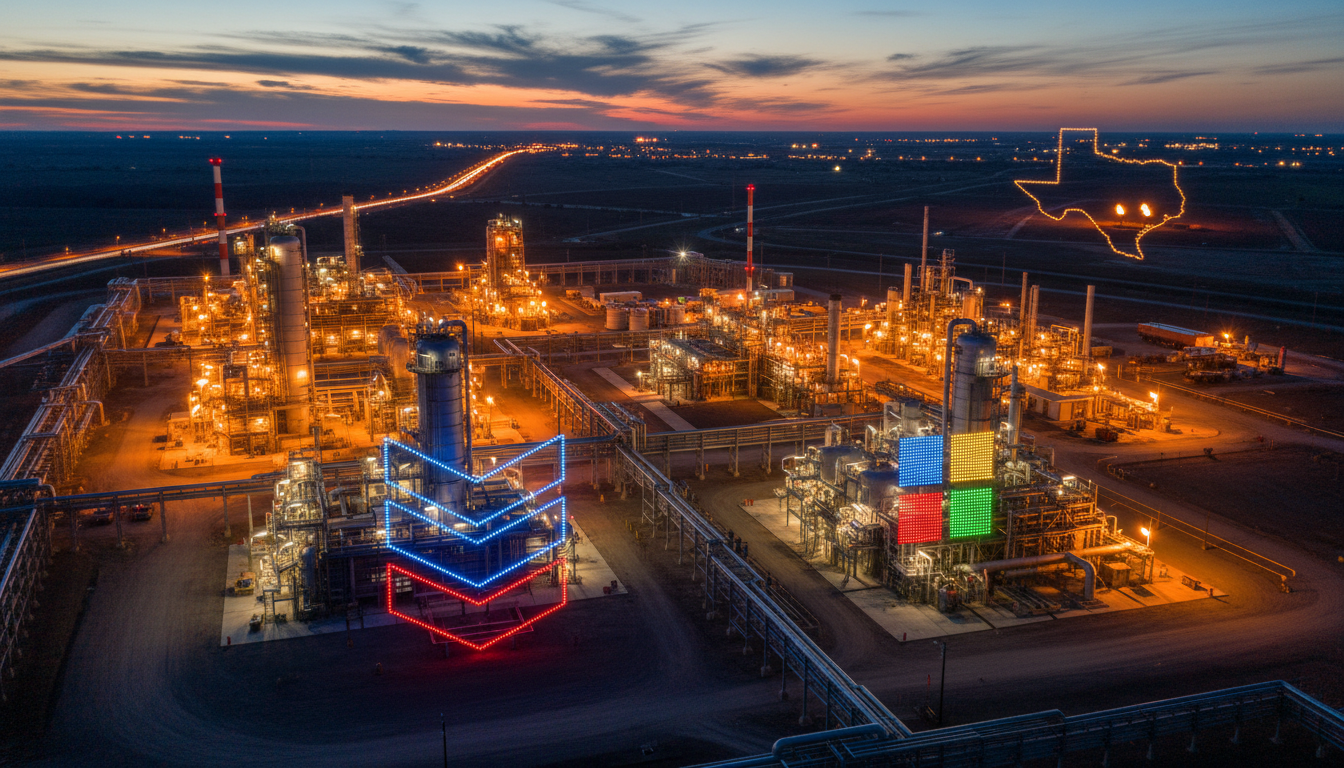
The convergence of advanced technology and traditional energy is reaching unprecedented scales as Chevron, alongside tech titan Microsoft and investment firm Engine No. 1, reportedly advances negotiations for a colossal natural gas-fired power plant in West Texas. This multi-billion dollar infrastructure project signals a critical strategic pivot for energy giants, aiming to meet the insatiable power demands of burgeoning AI data centers, presenting significant opportunities and considerations for oil and gas investors.
Industry observers are closely monitoring this potential collaboration, which centers on a proposed 2,500-megawatt (MW) natural gas power facility. Estimates place the project’s cost at a formidable $7 billion, positioning it to become one of the largest gas-fired power installations in the United States. While an exclusivity agreement is reportedly in place regarding the power generation and electricity offtake arrangement, company statements confirm that commercial terms remain fluid, and a definitive agreement has yet to be finalized. Nevertheless, the scale and participants involved underscore a rapidly evolving energy landscape where stable, reliable power is paramount for the digital economy’s expansion.
The AI Power Surge: A New Frontier for Energy Investment
The impetus behind such massive energy infrastructure investments is clear: the United States faces an extraordinary surge in electricity demand, a trend not seen since the 1990s. This surge is primarily fueled by the exponential growth of AI infrastructure, the proliferation of large-scale data centers, and a revitalization of advanced manufacturing sectors. For oil and gas investors, this represents a pivotal shift, as the traditional drivers of energy consumption are augmented by entirely new categories of demand with unique requirements.
Data centers, particularly those supporting advanced AI models, require continuous, high-density power at scale. This persistent need creates a compelling case for dispatchable, reliable power sources that can operate around the clock without interruption. The strategic pairing of an energy major like Chevron with a leading tech firm like Microsoft highlights a shared understanding that sustained digital innovation is intrinsically linked to robust and dependable energy supply.
Natural Gas: The Fuel of Choice for Next-Gen Infrastructure
In this high-stakes environment, natural gas is emerging as the preferred energy source for bridging the gap between existing grid capabilities and the escalating demands of AI. Its advantages are manifold: natural gas offers superior flexibility, allowing for rapid ramp-up and ramp-down to match fluctuating load requirements; it is an abundant domestic resource within the U.S., enhancing energy security; and its operational profile provides the 24/7 uninterrupted supply essential for critical data center operations. Financial institutions like Goldman Sachs have echoed this sentiment, emphasizing natural gas’s significant benefits from rising electricity demand.
The potential for a pro-fossil fuel policy environment further strengthens the investment thesis for natural gas in power generation. As policymakers weigh energy security, grid stability, and economic growth, the pragmatic advantages of natural gas are likely to receive increased attention, bolstering its role in the nation’s energy mix, especially for high-load applications like data centers.
Chevron’s Strategic Vertical Integration into Power Solutions
This West Texas initiative is not an isolated venture for Chevron. It represents a significant advancement in an existing strategic partnership and a broader corporate strategy to integrate vertically into power generation solutions. Early in 2025, Chevron and Engine No. 1, a firm known for its activist investment in ExxonMobil and focus on energy transition, established a joint venture with GE Vernova. This collaboration aimed to create a new entity dedicated to developing scalable, reliable power solutions specifically for U.S.-based data centers, powered by domestic natural gas.
These planned projects, utilizing GE Vernova’s advanced gas turbines, target key regions across the U.S. including the Southeast, Midwest, and West. A critical design feature of these integrated power solutions is their intent to serve co-located data centers, with power generation designed to bypass the existing transmission grid initially. This approach mitigates the risk of adding strain to an already taxed grid and, crucially for consumers, reduces the potential for increased electricity prices, positioning these projects as economically and socially responsible investments.
Investor Implications: Long-Term Growth and Diversification
For investors focused on the oil and gas sector, this emerging trend signals robust long-term demand for natural gas, extending beyond traditional industrial and residential uses. Companies like Chevron are actively diversifying their revenue streams and securing new markets for their natural gas output, mitigating some of the volatility associated with purely upstream commodity prices. Investing in the infrastructure that directly supports the digital economy offers a compelling blend of stability and growth potential.
The strategic partnerships between energy majors, technology giants, and specialized investment funds highlight a pragmatic approach to energy transition – leveraging existing, reliable energy sources to enable future technological advancements. As the digital economy continues its explosive growth, the companies that can reliably and efficiently power its core infrastructure are poised for significant financial upside. Investors should closely monitor these synergistic developments as a bellwether for the future of energy demand and the evolving role of traditional fossil fuels in a high-tech world.
