Carbon Capture: A Pivotal Investment Frontier for Oil & Gas
The global energy landscape is undergoing a profound transformation, with carbon capture, utilization, and storage (CCUS) emerging as a critical pathway for the oil and gas sector to navigate the transition towards a low-carbon future. For astute investors, this evolving segment represents a significant opportunity, combining essential infrastructure development with cutting-edge environmental solutions. A prime example of this burgeoning market is unfolding in the UK, where the landmark HyNet CO2 pipeline project is rapidly progressing, underscoring the vital role specialist firms play in achieving ambitious net-zero targets.
HyNet CO2 Pipeline: Spearheading UK’s Decarbonization Drive
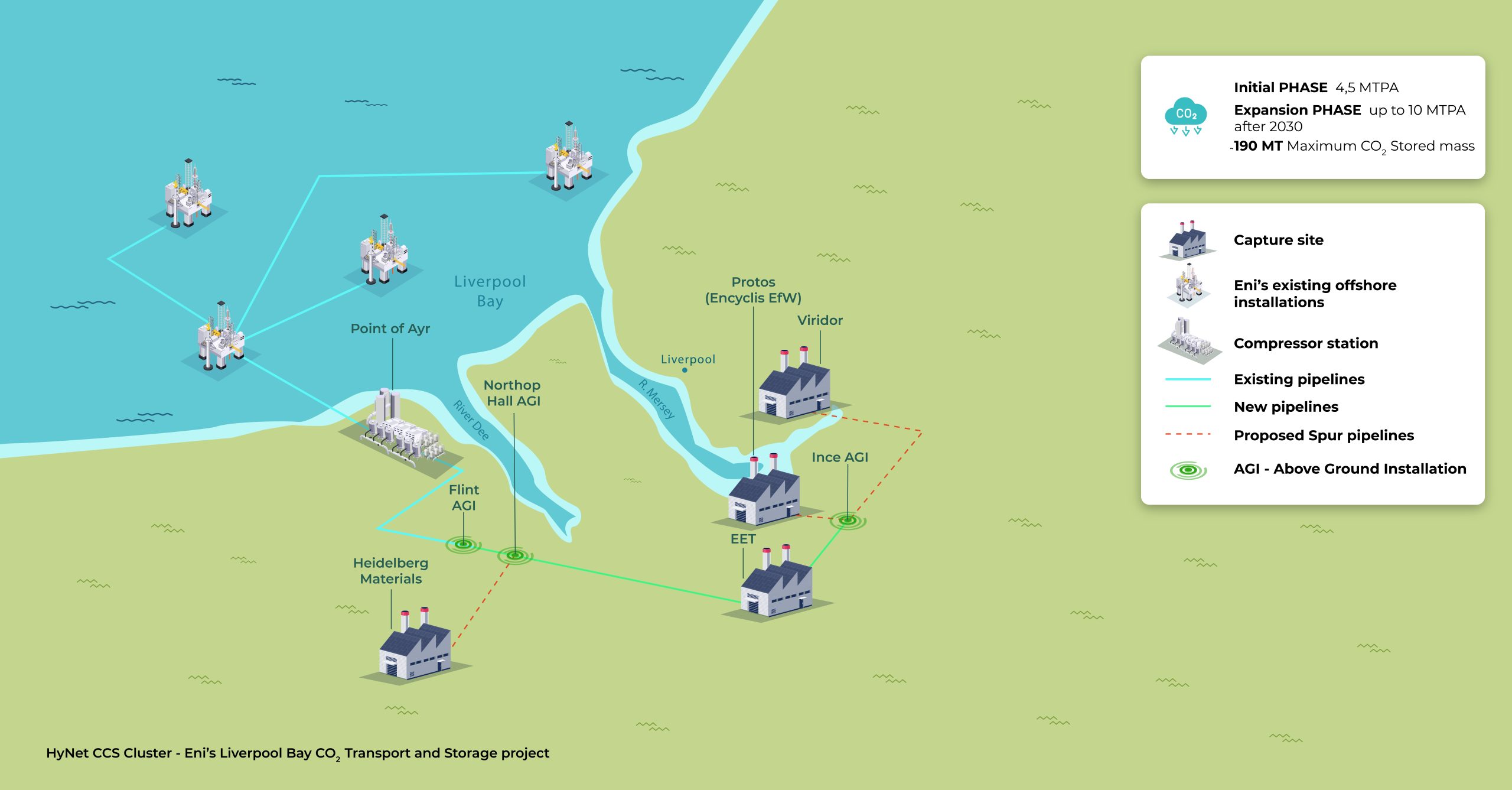
The HyNet CO2 pipeline stands as a foundational pillar in the UK’s strategic push to decarbonize its industrial heartlands and meet the ambitious 2050 net-zero target. This critical infrastructure initiative is designed to unlock a low-carbon economy across North West England and North Wales, providing a scalable solution for industrial carbon emissions. At its core, the project involves the construction of 34 kilometers of new pipeline, strategically complemented by the repurposing of an existing 24 kilometers of infrastructure. This hybrid approach demonstrates an efficient utilization of existing assets while expanding capacity for future needs.
The pipeline’s trajectory is meticulously planned, originating from Ince, Cheshire, and extending to Point of Ayr in North Wales. Its primary function will be to transport captured CO2 from major industrial emitters across the region. Once collected, this CO2 will then be safely channeled through the new and repurposed infrastructure to permanent geological storage. The chosen site for sequestration is the depleted natural gas reservoirs located beneath the seabed in Liverpool Bay, offering a secure and long-term solution for carbon containment. This project is not merely an engineering feat; it represents a tangible commitment to industrial decarbonization, creating a blueprint for similar initiatives globally.
RSK’s Strategic Role in Delivering Critical Infrastructure
Specialized environmental and engineering consultancies are indispensable to the successful execution of complex carbon capture projects. In this context, the appointment of RSK businesses by United Living Group for the HyNet CO2 pipeline project highlights the increasing demand for integrated, multi-disciplinary expertise. RSK’s engagement commenced in September 2024, with project completion anticipated by June 2027, signaling a multi-year commitment to this strategic endeavor.
RSK’s involvement extends beyond traditional engineering, encompassing comprehensive pre-construction and construction environmental support. This critical function ensures the project adheres to stringent environmental regulations and minimizes ecological impact throughout its lifecycle. The firm’s teams are actively engaged in navigating a complex web of regulatory requirements, including Development Consent Order (DCO) stipulations, securing secondary consents, and obtaining protected species licenses—all prerequisite steps before on-site construction can commence. This intricate regulatory landscape underscores the importance of experienced partners capable of managing diverse environmental and planning challenges.
Rob Domeney, RSK Environment Director, emphasized the group’s extensive experience, stating, “The group has been working on pipeline and related projects for more than 30 years and has a long history of working at sites across the North West, including at Protos Ince, Stanlow and Padeswood.” This deep regional knowledge and sector-specific expertise are invaluable assets, allowing RSK to effectively coordinate diverse environmental teams and deliver essential documentation, such as construction environmental management plans and environmental permits. Over 50 RSK colleagues are dedicated to the project, providing crucial ecological surveys, demonstrating the significant resource allocation required for such an undertaking.
A Track Record in Pioneering Carbon Capture
The HyNet appointment follows RSK’s successful contribution to another pivotal carbon capture initiative: Heidelberg Materials UK’s Padeswood CCS project in North Wales. This project marks a significant milestone as the UK’s first carbon capture-enabled cement works, showcasing the versatility of CCS technology across various heavy industries. RSK’s support for Heidelberg Materials UK’s planning application involved 12 of its group businesses, illustrating the breadth of capabilities and the collaborative approach essential for these large-scale endeavors.
RSK’s involvement in these high-profile projects underscores its growing footprint in the nationwide CCS landscape. The firm contributes across all phases of development, from initial optioneering and feasibility studies to consents strategy, environmental impact assessments (EIA), and ultimately, pre-construction and construction support. This comprehensive engagement positions RSK as a key enabler for the UK’s broader decarbonization agenda, providing critical services that bridge the gap between conceptualization and operational reality for carbon capture projects.
Investment Implications and the Future of Energy Transition
For investors monitoring the oil and gas sector, the proliferation of carbon capture projects like HyNet offers a compelling angle. While traditional O&G assets grapple with evolving ESG pressures, investments in CCUS infrastructure provide a strategic diversification. These projects facilitate the decarbonization of existing industrial operations, including those within the O&G value chain, ensuring their long-term viability in a carbon-constrained world. Furthermore, they open new revenue streams for specialized service providers, engineering firms, and infrastructure developers.
The HyNet project, with its blend of new construction and asset repurposing, exemplifies the pragmatic approach to energy transition. It showcases how existing oil and gas expertise – from pipeline construction to reservoir management for storage – is directly transferable and critical to building the carbon capture infrastructure of the future. Government backing, in the form of regulatory frameworks and financial incentives, further de-risks these investments, making them increasingly attractive. The UK’s commitment to net-zero by 2050 is not just a policy statement; it is driving tangible, large-scale infrastructure projects that demand significant capital and specialized services.
As the global push for decarbonization intensifies, the role of CCUS will only grow in prominence. Investors with a forward-looking perspective should recognize these projects as more than just environmental compliance; they are foundational elements of the next generation of energy infrastructure. The financial health and growth prospects of companies providing critical services, such as environmental planning, engineering, and project management for carbon capture, are directly tied to the expansion of this vital sector. The HyNet CO2 pipeline is a powerful testament to this unfolding investment narrative, demonstrating the concrete steps being taken to transform industrial emissions into a stored asset, securing a cleaner future while creating substantial economic opportunities.