

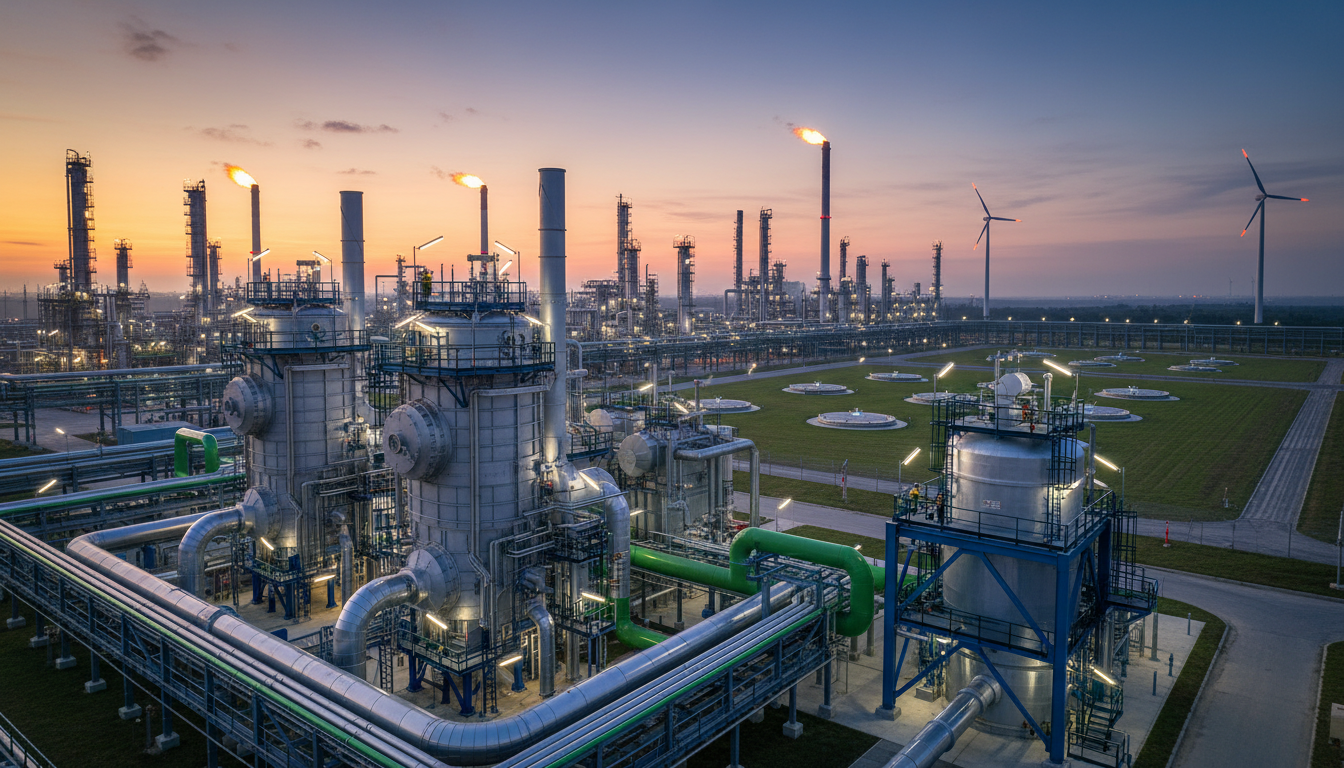
The global energy landscape is undergoing a profound transformation, with carbon capture and storage (CCS) emerging as a critical pillar in the journey towards decarbonization. Investors are keenly watching advancements in this space, and a significant milestone has just been achieved in Norway. For the first time, biogenic carbon dioxide (CO2) derived from biogas production is being permanently sequestered deep underground, proving the viability of an end-to-end carbon removal value chain.
This groundbreaking initiative showcases the operational success of a complex collaboration between Inherit Carbon Solutions, the Northern Lights CO2 transport and storage venture, and the Veas wastewater treatment plant. Since February, Inherit has been meticulously delivering CO2 cargos, signaling a new era for sustainable industrial practices and robust investment opportunities within the environmental technology sector.
De-Risking Carbon Removal: A Value Chain Verified
The successful execution of this project offers tangible proof that the full lifecycle of biogenic CO2 capture, transport, and permanent storage is not only technologically feasible but also commercially operational. Inherit Carbon Solutions CEO, Kaja Voss, underscored the significance, stating pride in their first operational project and confirming that the entire value chain, from capture at a biogas facility to secure seabed storage, is now demonstrably functional. This affirmation is invaluable for investors seeking to understand the practicalities and de-risking factors associated with nascent carbon removal markets.
The process begins at the Veas wastewater treatment plant in Slemmestad, near Oslo. As Norway’s largest facility of its kind, Veas manages wastewater for over 800,000 inhabitants across the bustling Oslo region. Within its biogas production unit, biogenic CO2 is effectively captured and then liquefied. This liquefied CO2 is then loaded onto specialized cargo trucks operated by Inherit, initiating the crucial transport phase.
From Industrial Source to Subsea Storage: The Logistics of Decarbonization
The journey of the captured CO2 is a testament to sophisticated logistics. Inherit’s trucks transport the liquefied CO2 from Slemmestad to the Northern Lights receiving terminal located in Øygarden. Upon arrival, the CO2 is offloaded into a dedicated tank farm. From this strategic coastal hub, the Northern Lights infrastructure takes over, channeling the CO2 offshore via a purpose-built pipeline.
This 100-kilometer subsea pipeline delivers the CO2 to its ultimate destination: the Aurora reservoir. Here, the biogenic CO2 is safely and permanently injected 2,600 meters below the seabed. This deep geological storage solution offers the long-term security and containment essential for effective carbon removal, aligning with stringent environmental standards and paving the way for future large-scale deployment.
Northern Lights itself commenced storage operations in August 2025, when the initial volumes of CO2 were successfully transported from their terminal and injected into the Aurora reservoir. This timeline highlights the forward-looking nature of these investments and the significant lead time involved in bringing such critical infrastructure online.
Inherit’s Vision and Northern Lights’ Infrastructure Play
Inherit Carbon Solutions positions itself at the forefront of the burgeoning carbon removal market. The company actively develops carbon removal projects sourced from biogas, specifically for geological storage, and subsequently provides verified carbon removal credits to corporations seeking to offset their emissions or achieve net-zero targets. This business model represents a lucrative segment within the broader environmental, social, and governance (ESG) investment landscape, offering a tangible product in a rapidly expanding market.
For Northern Lights, this collaboration with Inherit and Veas represents a crucial pilot project. It allows them to refine their operational protocols and validate their infrastructure’s capacity for handling diverse CO2 streams. Under the current agreement, Northern Lights is offering capacity to receive up to 7,000 tonnes of CO2 per year from Veas, a volume that, while modest in isolation, proves the operational readiness of their expansive storage solution. This pilot serves as a vital blueprint for scaling up CO2 intake from a multitude of industrial emitters across Europe, positioning Northern Lights as a pivotal player in regional decarbonization efforts.
Investment Outlook: Seizing the Green Growth Opportunity
The successful deployment of this full-scale biogenic CO2 removal chain is a powerful signal for investors. It underscores the commercial viability of carbon capture and storage as a robust investment theme, particularly within the energy transition and oil & gas sectors which are increasingly diversifying into decarbonization solutions. The ability to permanently store biogenic CO2 opens new avenues for industries like waste management, agriculture, and biofuels to contribute significantly to climate goals while generating new revenue streams through carbon credits.
As regulatory frameworks for carbon pricing and emissions reductions strengthen globally, the demand for verified carbon removal solutions will only intensify. Projects like the Inherit-Northern Lights-Veas collaboration demonstrate the practical application of these technologies, moving them from theoretical concepts to operational realities. For savvy investors on OilMarketCap.com, this represents a tangible opportunity to engage with companies that are not only addressing pressing environmental challenges but also carving out significant market share in the next generation of energy infrastructure.
The pioneering efforts in Norway set a precedent, illustrating how collaboration, innovation, and strategic infrastructure investment can unlock the vast potential of carbon capture and storage, driving both environmental progress and substantial financial returns in the evolving energy economy.
