The Canadian oil sands sector has undergone a profound transformation, emerging as one of North America’s most cost-efficient oil producers. While inflationary pressures have driven up operational expenses for many U.S. shale operators, Canadian heavy oil companies, including industry giants like Imperial Oil and Suncor, have leveraged advanced robotics and autonomous systems to drastically reduce overheads. This strategic evolution positions the region in an enviable state of strength, even as the global oil industry navigates a period of economic uncertainty, influenced by U.S. tariff policies and increased OPEC+ crude supply.
A Strategic Reversal of Fortune
The current resilience of the Canadian oil sands stands in stark contrast to its perceived vulnerability nearly a decade ago. Following the severe oil price collapse of 2014-2015, major international energy companies such as BP, Chevron, and Total divested their interests in Canadian oil sands projects. At that time, these operations were frequently categorized as among their higher-cost, less profitable global ventures. Capital deployment priorities shifted towards quicker-yielding alternatives, with U.S. shale plays favored for their rapid drilling cycles and faster returns on investment.
However, the narrative has fundamentally changed. A concerted focus on technological innovation and aggressive cost-cutting measures has dramatically enhanced the industry’s competitive landscape. Analysis of recent U.S. and Canadian company earnings, coupled with insights from numerous industry insiders, confirms that oil sands producers now rank among the cheapest in terms of operational costs. This operational prowess means that while U.S. shale companies respond to the current downturn by reducing rig counts, slashing capital expenditures, and implementing layoffs, Canadian oil sands operators are largely maintaining their previously announced production targets and spending plans, signaling robust confidence in their economic viability.
Technological Advancements Drive Unprecedented Efficiency
The heart of this transformation lies in relentless technological adoption. Cenovus CEO Jon McKenzie articulated the industry’s newfound fortitude earlier this year, stating that it has become “much more resilient through time.” This resilience is vividly illustrated by the practical application of cutting-edge robotics and autonomous systems across operations.
For instance, at Imperial Oil’s extensive 45-year-old Cold Lake operation in Alberta, a pair of four-legged robots, affectionately known as “Spots,” routinely patrol facilities. These agile units conduct critical equipment inspections, optimize heat exchanger performance, and monitor oil/water tank interfaces. By automating these essential maintenance tasks, Imperial Oil not only enhances operational consistency but also frees up human personnel for more complex work, ultimately delivering an impressive CDN$30 million (approximately $22 million USD) in annual savings for the company.
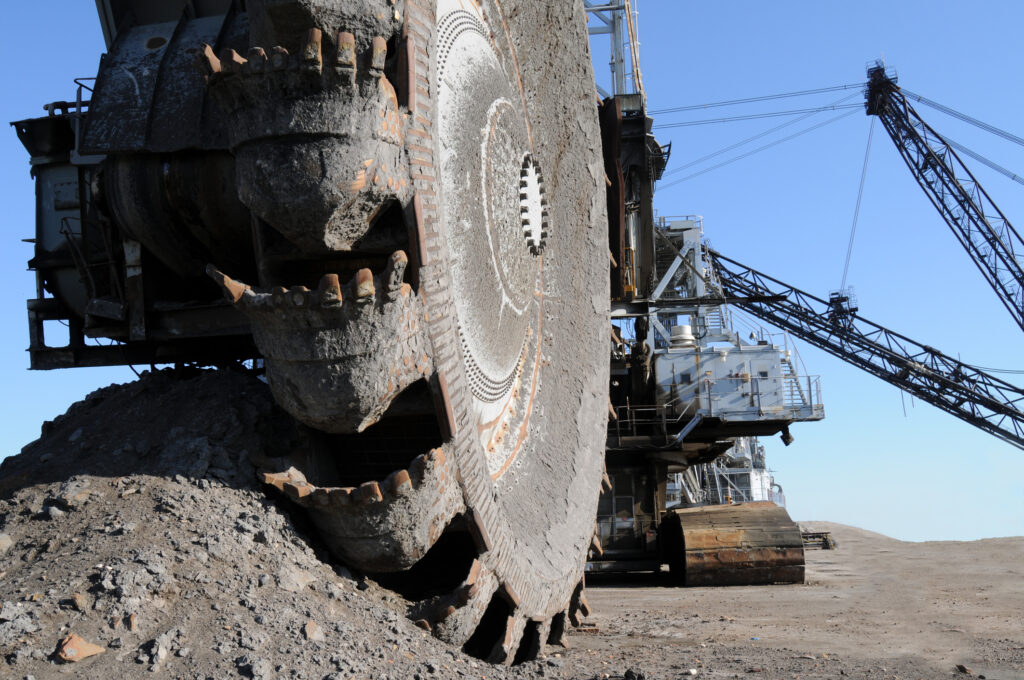
Further demonstrating this commitment to automation, both Imperial Oil and Suncor have transitioned to autonomous mining vehicles. This shift eliminates the need for human drivers in transporting vast quantities of oil sands ore, significantly boosting safety and efficiency. Imperial’s Kearl oil sands mine reports a remarkable 20% improvement in oil output productivity since 2023, directly attributable to the deployment of these self-driving systems. Suncor’s Fort Hills operation, located north of Fort McMurray, Alberta, showcases another marvel of modern engineering: a 900-tonne truck powered by what the company describes as the world’s largest hydraulic mining shovel. Suncor CEO Rich Kruger emphasizes the shovel’s larger bucket capacity and increased digging force, which together enable faster ore loading and minimize spillage, further optimizing extraction processes.
Investment Resilience in Turbulent Times
The strategic deployment of these advanced technologies translates directly into tangible financial benefits for investors. Lower operating costs mean higher margins, even in a fluctuating commodity price environment. This operational efficiency provides a critical buffer against market volatility, allowing Canadian producers to sustain profitability and investment in their assets when others are forced to retrench.
The industry’s ability to maintain production and capital spending plans during a period where U.S. shale producers are contracting underscores a fundamental shift in competitiveness. Investors seeking stability and long-term value in the energy sector will find the Canadian oil sands proposition increasingly compelling. The combination of established reserves, continuous technological innovation, and a proven track record of cost reduction presents a robust investment thesis.
Bolstering National Economic Strategy
Beyond the immediate operational gains, there is a broader strategic vision for the Canadian energy sector. Political voices within Canada are advocating for the construction of a new crude pipeline connecting Alberta to the Pacific coast. This infrastructure initiative is viewed as a vital component of a national effort to strengthen the country’s economy, particularly in response to potential threats of U.S. tariffs. Such a pipeline would enhance market access for Canadian crude, potentially reducing price differentials and further cementing the industry’s long-term financial health.
In conclusion, Canada’s oil sands industry has successfully reinvented itself, moving from a high-cost outlier to a low-cost leader through aggressive technological adoption and operational excellence. This transformation has equipped it with exceptional resilience, enabling continued investment and steady production even amidst global economic headwinds. For discerning investors, the Canadian oil sands now represent a compelling opportunity, underpinned by a commitment to efficiency, innovation, and strategic market positioning.