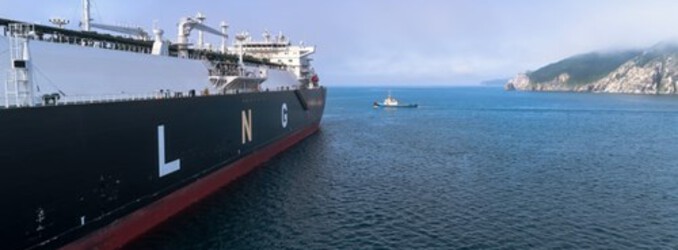
Canada has delivered a decisive signal to the global energy market, approving the C$10 billion ($7.3 billion) Ksi Lisims LNG floating export facility off its northwest coast. This landmark decision, coming under the new government led by Prime Minister Mark Carney, signifies a strategic pivot toward bolstering Canada’s role as a major energy exporter. With an anticipated operational start as early as 2028 and a formidable capacity of 12 million metric tons per year, Ksi Lisims LNG is poised to become the nation’s second-largest export facility, trailing only the initial phase of LNG Canada. This approval is not merely a single project green light; it represents a broader commitment to national economic growth and reducing reliance on traditional trading partners, all while navigating the complexities of responsible resource development in a dynamic global energy landscape.
Canada’s Strategic Bet on LNG Exports and Policy Shifts
The approval of Ksi Lisims LNG underscores a significant policy shift within Canada, signaling a more pragmatic and development-oriented approach to its energy sector. Prime Minister Mark Carney’s administration, moving away from the stricter environmental postures of previous governments, is actively championing projects deemed vital for national interest and economic expansion. This commitment is further evidenced by the establishment of the Major Projects Office earlier in September, an initiative designed to streamline and expedite critical developments. Ksi Lisims LNG, backed by a consortium including Blackstone Inc.-funded Western LNG, Rockies LNG Partners (comprising Western Canadian energy companies like Birchcliff Energy Ltd, Tourmaline Oil Corp., and Whitecap Resources Inc.), and the Nisga’a Nation, exemplifies the kind of large-scale investment Canada is keen to attract. This multi-party backing, particularly the involvement of an Indigenous group like the Nisga’a Nation which owns the development land, highlights a collaborative model aimed at ensuring long-term project viability and community benefit. The project’s substantial capacity positions Canada to significantly increase its supply to energy-hungry Asian markets, diversifying its export portfolio and strengthening its geopolitical standing.
Navigating Current Market Headwinds Amidst Long-Term Investment
The approval comes at a time when global energy markets are experiencing considerable volatility, yet the long-term outlook for LNG remains robust. As of today, Brent crude is trading at $98.38, reflecting a 1.02% decrease within the day’s range of $97.92 to $98.67. Similarly, WTI crude stands at $90.05, down 1.23% from its daily high. This current price environment represents a notable shift from recent highs; our proprietary data indicates that Brent crude has experienced a significant decline of $14, or 12.4%, from $112.57 recorded just two weeks ago on March 27th. Gasoline prices, currently at $3.08, also reflect this broader trend of slight downward pressure. While these short-term fluctuations can influence investor sentiment, the C$10 billion investment in Ksi Lisims LNG speaks to a conviction in the long-term fundamentals of natural gas demand, particularly for a project not expected to commence operations until 2028. Investors evaluating such monumental capital outlays are clearly looking beyond daily price swings, focusing instead on global energy security needs, geopolitical shifts, and the increasing role of natural gas as a transitional fuel.
Investor Sentiment: Addressing Demand, Supply, and Data Transparency
Our proprietary reader intent data reveals a consistent focus among investors on the dynamics of global energy supply and market transparency. Many are keenly focused on OPEC+ current production quotas, seeking to understand how these decisions will impact the delicate supply-demand balance. The Canadian approval of Ksi Lisims LNG adds a significant non-OPEC+ supply dimension, potentially easing tightness in the global gas market in the latter half of the decade. The current Brent crude price, which our proprietary data shows at $98.38, is a constant point of inquiry, with investors seeking to understand the models and data sources that power these real-time responses. This emphasis on data transparency underscores the importance of reliable, first-party information in making informed investment decisions. Furthermore, the interest in tools like EnerGPT and its underlying data infrastructure highlights a growing appetite for sophisticated analytical capabilities to interpret complex market signals and project long-term trends, crucial for evaluating projects with such extended timelines and capital commitments.
Upcoming Catalysts and Their Impact on the Investment Horizon
Looking ahead, the next two weeks present several critical events that will undoubtedly shape near-term market sentiment and influence investment strategies in the broader oil and gas sector. The OPEC+ Joint Ministerial Monitoring Committee (JMMC) meeting on April 18th, followed by the Full Ministerial Meeting on April 20th, will be paramount. These gatherings will provide clarity on future production policies, directly impacting global crude supply and price stability. Investors will be scrutinizing any signals regarding output adjustments, which could either exacerbate or alleviate current market pressures. Concurrently, the Baker Hughes Rig Count reports on April 17th and April 24th will offer vital indicators of North American drilling activity and future production trends. Closer to home, the API Weekly Crude Inventory reports on April 21st and 28th, complemented by the EIA Weekly Petroleum Status Reports on April 22nd and 29th, will provide granular insights into U.S. crude and product inventories, offering a snapshot of domestic supply-demand balances. These recurring reports are essential for gauging the immediate health of the market, helping investors contextualize long-term strategic approvals like Ksi Lisims LNG against the backdrop of ongoing market shifts and operational realities.