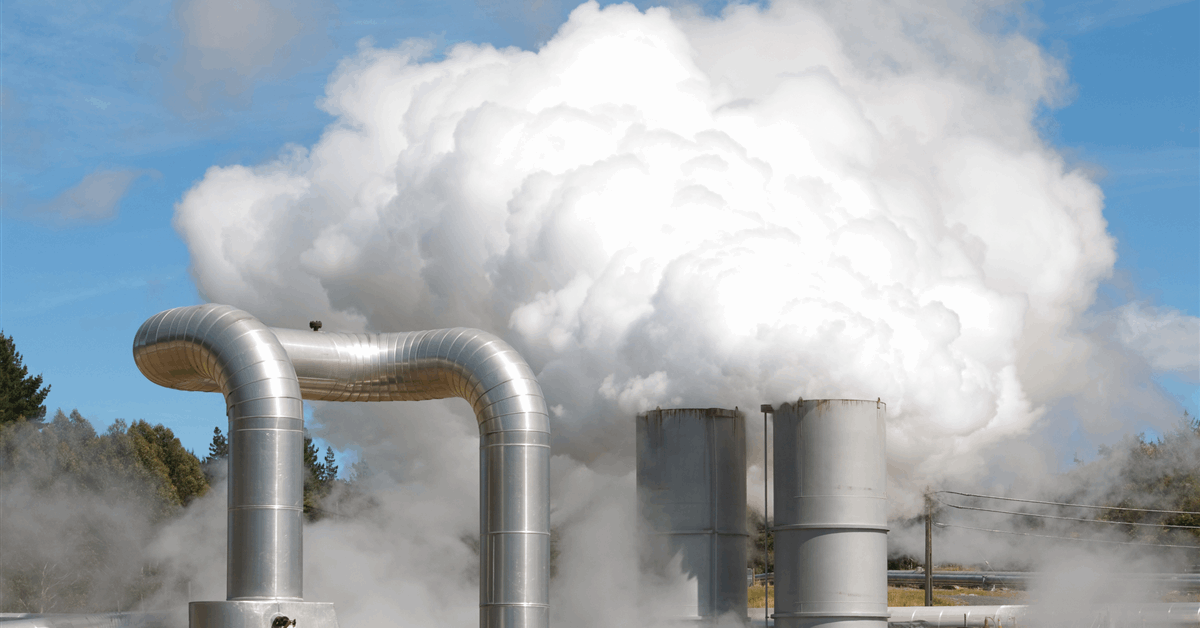
The recent announcement of over $2.7 million garnered from Bureau of Land Management (BLM) geothermal lease sales in California signals a quiet but potent undercurrent in the broader energy investment landscape. While the headlines often focus on the dramatic swings of crude oil and natural gas, these geothermal developments highlight the increasing strategic importance of baseload renewable energy. For sophisticated oil and gas investors, understanding these shifts is crucial, not just for identifying new opportunities but also for building resilient, diversified portfolios in an era defined by energy transition and market volatility. This analysis delves into the implications of these leases, contrasting them with the current traditional energy market dynamics and exploring what they mean for investor strategies moving forward.
California’s Geothermal Potential: A Deeper Dive for Investors
The successful BLM geothermal lease sale saw winning bids accepted on 13 parcels spanning 22,685 public acres across Imperial, Lassen, and Modoc counties, accumulating a total of $2,711,858. This translates to an average of $117 per acre offered, a figure that provides a tangible measure of perceived value and investor interest. To put this in perspective, a prior geothermal lease sale in Oregon yielded an average of $82 per acre, suggesting California’s geological profile and established infrastructure may command a premium.
For investors, this per-acre valuation is a key indicator of market enthusiasm for specific renewable assets. The process, however, is merely the initial stage; leases are issued only after thorough review and payment. Subsequent development requires navigating the extensive environmental impact assessments mandated by the National Environmental Policy Act of 1969, adding a layer of regulatory complexity and timeline risk. Yet, the long-term revenue sharing model — 50% of bid, rental, and royalty receipts to the state of California, 25% to the host county, and 25% to the U.S. Treasury — creates strong local and federal incentives for successful project realization. This aligns with Executive Order 14154, “Unleashing American Energy,” positioning geothermal as a critical component of domestic energy production, bolstering both economic and military security by diversifying the national energy mix.
The foundation for this growth is already robust: the BLM reports 51 operating geothermal power plants on managed lands, collectively producing over 2.6 gigawatts of installed capacity. This established operational base reduces perceived risk for new developments, demonstrating a proven track record of resource viability and project execution within the federal leasing framework.
Navigating Volatility: Traditional Hydrocarbons vs. Renewable Stability
The enthusiasm for geothermal leasing unfolds against a backdrop of significant turbulence in the traditional hydrocarbon markets. As of today, Brent crude trades at $90.38 per barrel, marking a sharp decline of 9.07% within the day, with its range fluctuating wildly between $86.08 and $98.97. Similarly, WTI crude stands at $82.59, down 9.41% today, experiencing a daily range from $78.97 to $90.34. This intraday volatility follows a more protracted downturn; the 14-day trend for Brent crude shows a substantial drop from $112.78 on March 30th to $91.87 just yesterday, representing an 18.5% erosion in value.
Such dramatic swings in crude prices underscore the inherent geopolitical and supply-demand sensitivities of the oil market. For investors accustomed to the boom-and-bust cycles of traditional energy, these figures serve as a stark reminder of the constant need for risk management and portfolio diversification. While traditional energy offers high-beta exposure and significant upside during periods of scarcity, it also carries substantial downside risk. In contrast, geothermal projects, once online, offer a baseload power source with stable, predictable output, largely decoupled from the daily price gyrations of fossil fuels. This relative stability, while lacking the explosive short-term gains of a surging oil market, provides a compelling alternative for investors seeking long-term, less volatile energy exposure and a hedge against the unpredictable nature of global crude markets.
Investor Focus: Diversification and Upcoming Catalysts
Our proprietary reader intent data from OilMarketCap.com reveals that investors are actively grappling with the complexities of portfolio performance and future market direction. Questions such as “How well do you think Repsol will end in April 2026?” and “What do you predict the price of oil per barrel will be by end of 2026?” highlight a strong desire for clarity and foresight in an uncertain environment. This appetite for long-term predictability makes the steady, baseload nature of geothermal energy an increasingly attractive proposition.
While the long-term outlook for geothermal remains promising, the immediate horizon for energy investors is punctuated by several critical events that will undoubtedly impact traditional crude markets. This weekend, the OPEC+ Joint Ministerial Monitoring Committee (JMMC) meets on April 18th, followed by the full Ministerial Meeting on April 19th. These gatherings are pivotal for assessing current production quotas and their implications for global supply. Throughout the coming weeks, investors will also be closely monitoring API Weekly Crude Inventory reports on April 21st and 28th, alongside the EIA Weekly Petroleum Status Reports on April 22nd and 29th, for insights into U.S. supply and demand dynamics. Furthermore, the Baker Hughes Rig Count on April 24th and May 1st will offer an indication of future drilling activity.
These upcoming events represent immediate catalysts for volatility in oil prices, creating both trading opportunities and inherent risks for portfolios heavily weighted in traditional hydrocarbons. Geothermal, in contrast, offers a development timeline that, while longer, is largely insulated from these short-term market reactions. For investors seeking assets with revenue streams that are not directly tied to OPEC decisions or weekly inventory reports, geothermal provides a strategic avenue for diversification and long-term value creation, aligning with a demand for more predictable asset performance.
Strategic Outlook: Geothermal’s Role in a Diversified Energy Future
The significance of these California geothermal leases extends beyond the immediate revenue generated. They underscore a growing governmental and industry commitment to harnessing “an abundant resource,” particularly in the Western U.S., where the BLM manages vast tracts suitable for geothermal exploration and development. This strategic focus is driven by geothermal’s unique advantages: it provides continuous, baseload power, independent of weather conditions, making it a critical asset for grid stability and reliability. This contrasts sharply with intermittent renewables like solar and wind, which require extensive energy storage solutions.
For investors with a forward-looking perspective, the potential for expansion beyond the current 2.6 GW installed capacity is substantial. The primary barriers often revolve around the high upfront capital costs of exploration and drilling, as well as the protracted permitting processes. However, increasing policy support, coupled with technological advancements in drilling and resource identification, is gradually mitigating these challenges. Furthermore, the rising emphasis on environmental, social, and governance (ESG) mandates from institutional investors and the broader market is channeling more capital towards sustainable energy sources like geothermal. As national energy strategies increasingly prioritize decarbonization and energy independence, geothermal is poised to attract significant investment, offering compelling opportunities for those willing to engage with its longer development cycles for stable, long-term returns. It represents a vital component in a balanced energy portfolio, providing stability and growth potential distinct from the often-turbulent conventional oil and gas markets.


