Navigating Western Energy Risks Amidst Global Market Volatility
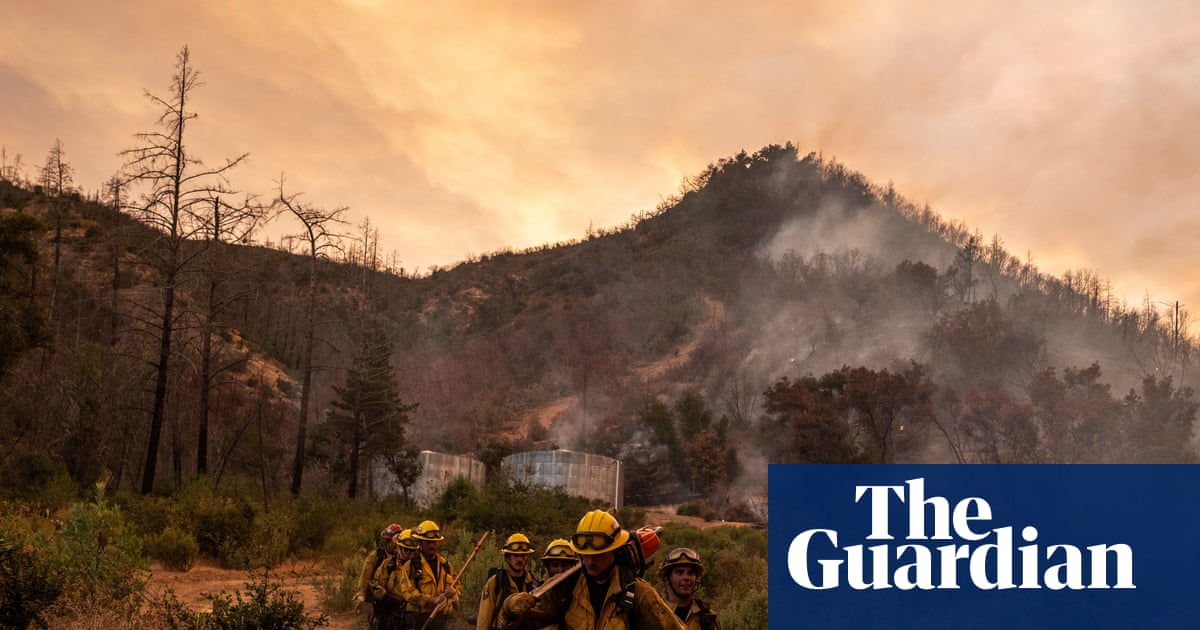
The American West, particularly California, is currently grappling with a severe heatwave and escalating wildfire activity, creating a tangible layer of regional energy market risk. As the Pickett fire in Napa County expands rapidly, covering over 2,100 acres with zero containment amidst dangerously high temperatures, the immediate concern for public safety is paramount. However, for astute energy investors, these environmental challenges translate into potential market disruptions, straining regional power grids, impacting natural gas demand for electricity generation, and adding a localized volatile element to an already complex global crude landscape. This analysis will dissect these regional pressures against the backdrop of broader market movements and critical upcoming events, providing actionable insights for navigating the current investment environment.
Current Market Snapshot: A Bearish Wind Blows
As of today, the global crude market is experiencing significant downward pressure, even as regional demand concerns in the West persist. Brent Crude currently trades at $90.38 per barrel, marking a substantial 9.07% decline within the day, with its price range fluctuating between $86.08 and $98.97. Similarly, WTI Crude has seen a sharp drop to $82.59, down 9.41% today, traversing a daily range of $78.97 to $90.34. This daily volatility follows a more extended bearish trend for Brent, which has fallen by $20.91, or 18.5%, from $112.78 on March 30th to $91.87 just yesterday. The downstream gasoline market reflects this trend, with prices at $2.93, down 5.18% today. This broad market retreat suggests that while localized events like the California heatwave are significant, they are currently overshadowed by larger macro-economic concerns or supply-side expectations. Investors must weigh the potential for increased regional power demand against a prevailing global sentiment that is pushing crude prices lower.
Upcoming Catalysts: OPEC+ Decisions and Inventory Insights
The immediate future holds several critical events that could significantly influence crude price trajectories, potentially overriding or amplifying regional weather-induced pressures. This weekend marks key OPEC+ meetings, with the Joint Ministerial Monitoring Committee (JMMC) convening tomorrow, April 18th, followed by the Full Ministerial meeting on Sunday, April 19th. Investor attention will be keenly focused on any signals regarding production quotas. Given the recent steep declines in Brent and WTI, any indication of an adjustment to current output levels could trigger substantial market shifts. Following these crucial discussions, the market will turn its gaze to weekly inventory data. The API Weekly Crude Inventory reports on April 21st and 28th, alongside the EIA Weekly Petroleum Status Reports on April 22nd and 29th, will offer vital insights into U.S. supply and demand dynamics. These reports, combined with the Baker Hughes Rig Count on April 24th and May 1st, will provide a clearer picture of domestic production trends and could either reinforce or challenge the current bearish sentiment. Investors should monitor these events closely, as their outcomes are likely to dictate the market’s direction far more than localized demand spikes from extreme weather.
Addressing Investor Concerns: Long-Term Outlook and Regional Resilience
Our proprietary reader intent data reveals a keen interest among investors regarding the long-term trajectory of oil prices, with many asking “what do you predict the price of oil per barrel will be by end of 2026?” and inquiring about current OPEC+ production quotas. While regional events like the California wildfires and heatwave undeniably create short-term volatility and localized energy strain, their impact on the broader, year-end crude price outlook is often limited. Global supply decisions from OPEC+, geopolitical stability, and the pace of global economic growth remain the dominant forces for long-term price predictions. However, these regional events highlight critical investment themes in infrastructure and grid resilience. The National Weather Service’s extreme heat alerts, stretching from Arizona to Washington, coupled with NIFC warnings of dangerously dry vegetation across Nevada, Utah, Arizona, Colorado, and Wyoming, underscore the persistent vulnerability of Western energy grids. This situation intensifies electricity demand for cooling, placing immense pressure on power generation, often reliant on natural gas. Companies involved in grid modernization, energy storage solutions, and robust transmission infrastructure may see increased investment as states and utilities prepare for more frequent and intense weather events. While the overall crude price might be dictated globally, the performance of regional utilities and energy service providers is increasingly tied to their ability to withstand and adapt to such extreme conditions.
Western Energy Grid Under Siege: Demand Surge and Infrastructure Risk
The ongoing heatwave is not merely an inconvenience; it represents a significant stress test for the Western U.S. energy infrastructure. With temperatures expected to reach into the upper 90s in areas like Napa County, where the Pickett fire rages, and near-record highs across the region, electricity demand for air conditioning is surging. This increased load puts immense pressure on the power grid, raising the specter of brownouts or blackouts, similar to past events. The danger is compounded by the wildfires themselves, which can directly threaten transmission lines, substations, and other critical infrastructure. CalFire analysts emphasize “firefighter safety,” and while there have been no injuries or structures damaged by the Pickett fire so far, the 0% containment highlights the ongoing risk. The National Interagency Fire Center (NIFC) warns that “hot, dry, and unstable conditions” are likely across much of the West Coast, with “minimal moisture” expected through October. This creates a fertile ground for new ignitions, rapid fire spread, and extreme fire behavior, further jeopardizing energy supply chains and distribution. Investors should monitor the performance of utilities and independent power producers in these affected regions, as their operational stability and capital expenditure plans will be directly influenced by these escalating environmental challenges.


