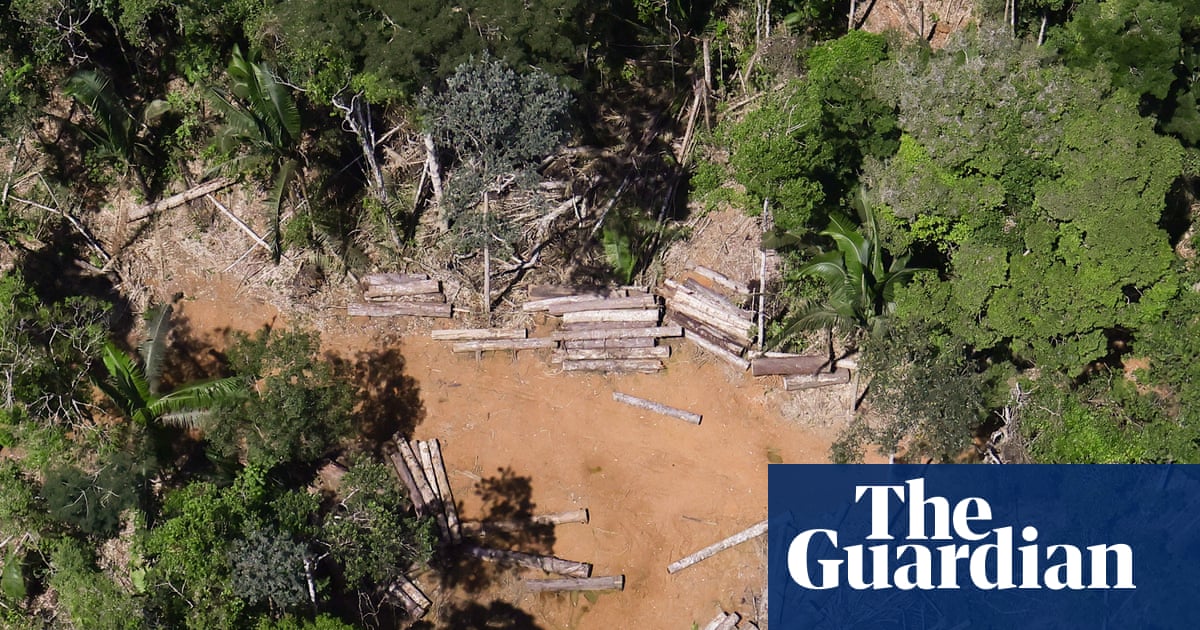
Brazil stands on the cusp of a significant transformation in its regulatory landscape, a shift poised to reshape the investment climate for its crucial extractive industries, particularly oil and gas. Recent legislative action by Brazilian lawmakers has dramatically scaled back the nation’s environmental protection framework, a move that, while fiercely opposed by environmental and social groups, presents a compelling new dynamic for energy investors eying opportunities in the South American powerhouse.
Brazil’s Pivotal Regulatory Shift: A Catalyst for Resource Investment?
The legislative package, which has drawn considerable controversy and is already being labeled as the most substantial weakening of Brazil’s environmental laws in four decades, successfully passed Congress in the early hours of Thursday with a decisive vote of 267 to 116. This followed its earlier approval by the Senate in May. Despite vociferous opposition from over 350 organizations and social movements, the bill now awaits presidential assent or veto from Luiz Inácio Lula da Silva, who has 15 working days to make his decision. Even a presidential veto, however, faces a strong probability of being overturned by Brazil’s predominantly conservative Congress, setting the stage for a likely legal confrontation in the Supreme Court, given arguments from legal experts questioning the new law’s constitutionality.
From an investment perspective, this legislative maneuver represents a potential acceleration in project timelines and a reduction in regulatory friction for developers in the oil and gas, mining, and large-scale agricultural sectors. While environmental advocates mourn what they describe as a “tragedy” that could lead to widespread deforestation and heightened climate risks, financial analysts are evaluating the implications for capital deployment in resource-rich Brazil.
Streamlining Environmental Approvals: The ‘Self-Declaration’ Era
At the heart of the new legislation is a profound change to environmental licensing procedures. Notably, projects previously categorized as having “medium” polluting potential can now secure environmental permits through a streamlined, self-declared online form. This critical change eliminates the prior requirement for extensive impact studies and rigorous regulatory review – a process previously reserved only for activities deemed “low-risk.”
Experts estimate this revision will impact approximately 90% of all licensing procedures across Brazil. This includes a vast array of agricultural operations and, crucially for investors, a significant portion of mining and infrastructure projects that support the energy sector. The implications for oil and gas exploration and production are substantial. Faster permit acquisition directly translates into reduced project development cycles, lower pre-operational costs, and potentially quicker monetization of assets. This shift could make Brazil significantly more competitive for foreign direct investment (FDI) seeking rapid deployment and returns in its energy and resource sectors.
The transition toward what some critics describe as a “full self-licensing” system, where a company can secure a permit with minimal bureaucratic hurdles, fundamentally alters the risk-reward calculus for investors. While the long-term environmental consequences are a subject of intense debate, the immediate operational efficiencies for energy companies are undeniable, potentially unlocking previously stalled projects and encouraging new ventures.
Indigenous and Quilombola Lands: A New Frontier of Access and Dispute
The new law also introduces significant changes regarding the involvement of agencies responsible for protecting the rights of Indigenous and quilombola communities in the licensing process. Under the revised framework, these agencies will only hold sway over projects situated on officially recognized territories. This critical carve-out effectively excludes over 30% of Indigenous lands and more than 80% of quilombola areas, many of which have been awaiting official titling for years, from the robust oversight they previously enjoyed.
This aspect of the legislation, while deeply controversial from a human rights perspective, fundamentally alters the landscape for project developers. For energy and mining companies, it potentially reduces the complexity and duration of land access negotiations and mitigates the risk of project delays stemming from disputes over untitled lands. Many of these excluded territories are already subject to ongoing disputes or targeted by various exploitative activities. From an investor standpoint, this provides greater clarity, albeit with inherent social and ethical considerations, on the accessibility of vast tracts of land for resource extraction.
While Indigenous leaders like Dinamam Tuxá of the Articulation of Indigenous Peoples of Brazil (Apib) have condemned the law’s approval as the “legalisation of a process of extermination,” the investment community must weigh these social criticisms against the potential for streamlined access to resource-rich areas. Understanding the evolving legal and social dynamics surrounding land rights will be crucial for any company considering significant capital outlays in Brazilian resource development.
Navigating the Political and Legal Minefield: Investor Considerations
The path forward for this landmark legislation is not entirely clear-cut. President Lula’s decision to approve or veto the bill will be closely watched. Given his previous environmental commitments, a veto remains a strong possibility. However, the conservative majority in Congress has demonstrated its capacity to override presidential decisions, suggesting that the bill, in some form, is likely to become law. This political tug-of-war, coupled with the high probability of Supreme Court intervention on constitutional grounds, introduces a layer of legal uncertainty for investors.
Despite these potential legal challenges, the prevailing sentiment in the legislative branch signals a clear intent to prioritize economic development and resource exploitation. This broader political will creates a more favorable environment for industries like oil and gas, even as legal battles unfold. Investors should monitor the judicial review process, but the legislative intent to ease regulatory burdens for extractive industries appears firmly established.
Brazil’s Energy Future: An Emerging Investment Horizon
For investors focused on the global energy sector, Brazil’s recent legislative actions present a compelling, albeit complex, opportunity. The dramatic weakening of environmental safeguards, particularly the shift towards self-declaration for medium-risk projects and the revised approach to Indigenous and quilombola lands, could significantly accelerate project approvals and reduce operational costs for oil and gas exploration and production companies.
This strategic shift has the potential to unlock Brazil’s vast upstream potential, attracting increased foreign direct investment into its energy sector and solidifying its position as a major global oil producer. While the environmental and social costs of this legislative change are subjects of intense debate, the financial implications for resource development are clear: Brazil is actively signaling a more open and streamlined pathway for capital seeking to tap into its natural wealth. Companies with robust ESG frameworks and a nuanced understanding of Brazil’s unique political and legal landscape will be best positioned to capitalize on these evolving opportunities in the nation’s dynamic energy market.


