BPCL’s Proactive Stance Bolsters Energy Logistics Amidst Market Volatility
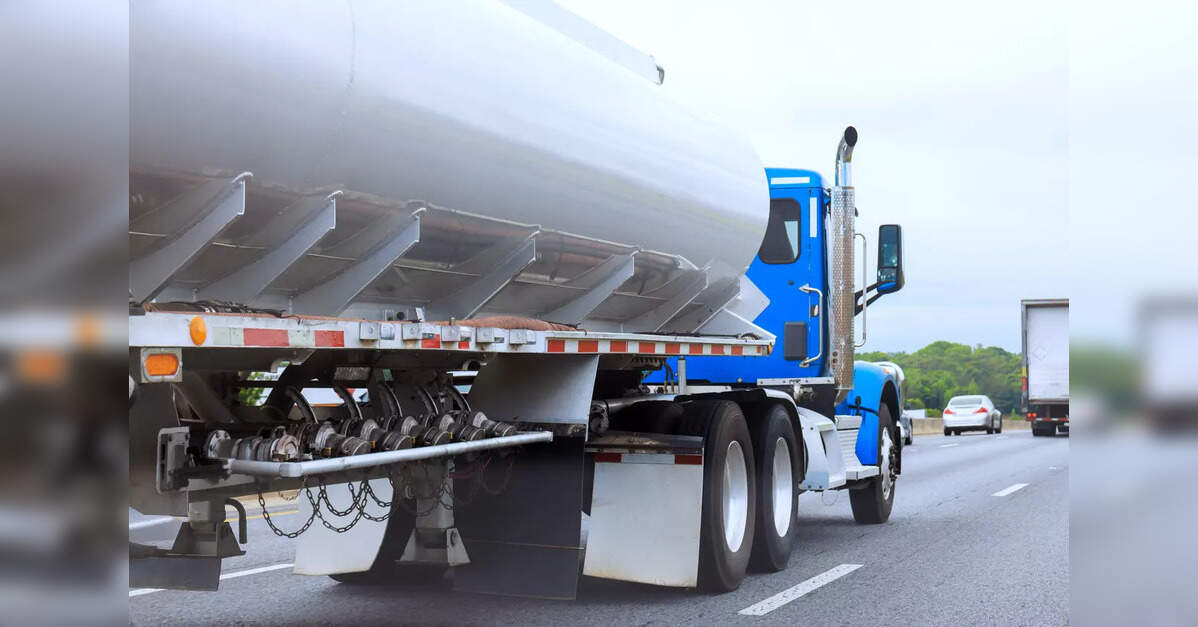
Recent incidents involving gas tanker overturns near the critical Mumbai-Pune expressway have cast a spotlight on the operational integrity of hazardous material transport. Following a significant traffic disruption on February 3, caused by a propylene gas tanker incident near Adoshi Tunnel, and a similar event on February 23, Bharat Petroleum Corporation Limited (BPCL), the company owning the tankers, has initiated a suite of proactive measures. Simultaneously, regulatory authorities are moving to implement long-term safety enhancements. These developments are crucial for investors monitoring the resilience of India’s energy supply chain, demonstrating a concerted effort to mitigate risks that can impact both logistics efficiency and broader market stability in an already dynamic global energy landscape.
Strengthening Operational Resilience and Addressing Investor Concerns
BPCL’s immediate response to the incidents underscores a strong commitment to operational excellence, a key factor for investor confidence. The company has intensified its driver training programs, ensuring that personnel operating vehicles carrying hazardous gases undergo mandatory sessions at least once per quarter, with overall training occurring twice every quarter. Complementing this, weekly driver awareness initiatives are being conducted. From an investment perspective, these measures directly address operational risk, aiming to reduce the frequency of such disruptions and safeguard product delivery. Furthermore, BPCL is establishing a ‘mutual aid facility’ to enhance coordination between various agencies during emergencies and plans to strategically station quick response teams (QRTs) within a 200km radius along hazardous transport routes. This move is designed to drastically cut response times, which was identified as a critical shortfall in previous incidents where recovery vans were not readily available. Investors frequently inquire about the long-term outlook for energy companies, as evidenced by questions like “How well do you think Repsol will end in April 2026?” This reflects a focus on company-specific performance and risk management. BPCL’s proactive steps in enhancing safety and response capabilities are precisely the kind of fundamental improvements that contribute to sustained operational performance and, by extension, shareholder value, offering a tangible response to such investor concerns about company resilience.
Regulatory Oversight and Market Implications in a Volatile Environment
The regulatory response to these incidents is equally robust, signaling a broader commitment to infrastructure safety that benefits the entire energy sector. The Maharashtra State Road Development Corporation (MSRDC) has issued directives for strict enforcement of existing standard operating procedures (SOPs) on the expressway. More significantly, a seven-member committee, spearheaded by CP Joshi, former president of the Indian Roads Congress (IRC), has been formed to conduct a detailed study of the incidents. This committee, co-chaired by S Mohite, former joint commissioner of traffic and inspector general of police (IGP-Konkan region), includes diverse experts and is tasked with recommending comprehensive measures to enhance safety not only on the Mumbai-Pune expressway but also the Samruddhi Expressway. As of today, Brent Crude trades at $93.86, showing a significant daily increase of 3.79%, while WTI Crude stands at $90.22, climbing 3.2%. This upward momentum follows a notable period of volatility, with Brent having experienced a substantial decline of nearly 20% over the last 14 days, falling from $118.35 on March 31 to $94.86 yesterday. Such market swings highlight the sensitivity of global energy prices to various factors, including supply chain integrity. While the recent incidents are localized, they underscore how even regional logistical bottlenecks can create ripples, impacting the timely delivery of refined products like gasoline, which currently trades at $3.13. Robust infrastructure and stringent safety protocols are essential to prevent such disruptions from exacerbating market volatility and affecting regional supply-demand balances.
Anticipating Future Developments and Long-Term Outlook
The coming months will be critical for assessing the long-term impact of these safety initiatives. The expert committee is expected to submit its comprehensive report within two months, providing a clear roadmap for infrastructure enhancements and operational adjustments. This forward-looking analysis is crucial for investors, as it will highlight potential regulatory changes and investment opportunities in road safety technology and logistics. Several upcoming energy events will also shape the broader market context against which these localized improvements are measured. Tomorrow, April 22nd, the EIA Weekly Petroleum Status Report will offer fresh insights into U.S. crude inventories and demand, while the Baker Hughes Rig Count on April 24th will provide an update on drilling activity. The following week brings another API Weekly Crude Inventory report on April 28th and the EIA’s counterpart on April 29th. Looking further ahead, the EIA Short-Term Energy Outlook, due on May 2nd, will offer projections for supply, demand, and prices. While these events focus on macro trends, the underlying efficiency and safety of energy transport, as addressed by BPCL and the regulatory committee, contribute directly to the stability and predictability of supply chains that feed into these global reports. For investors asking “what do you predict the price of oil per barrel will be by end of 2026?”, understanding the resilience of logistics infrastructure and the commitment to mitigating operational risks becomes a fundamental component of any robust long-term forecast. These ongoing efforts to enhance safety and efficiency in hazardous material transport are not just about preventing accidents; they are about building a more reliable and resilient energy ecosystem, which underpins stable investment growth.


