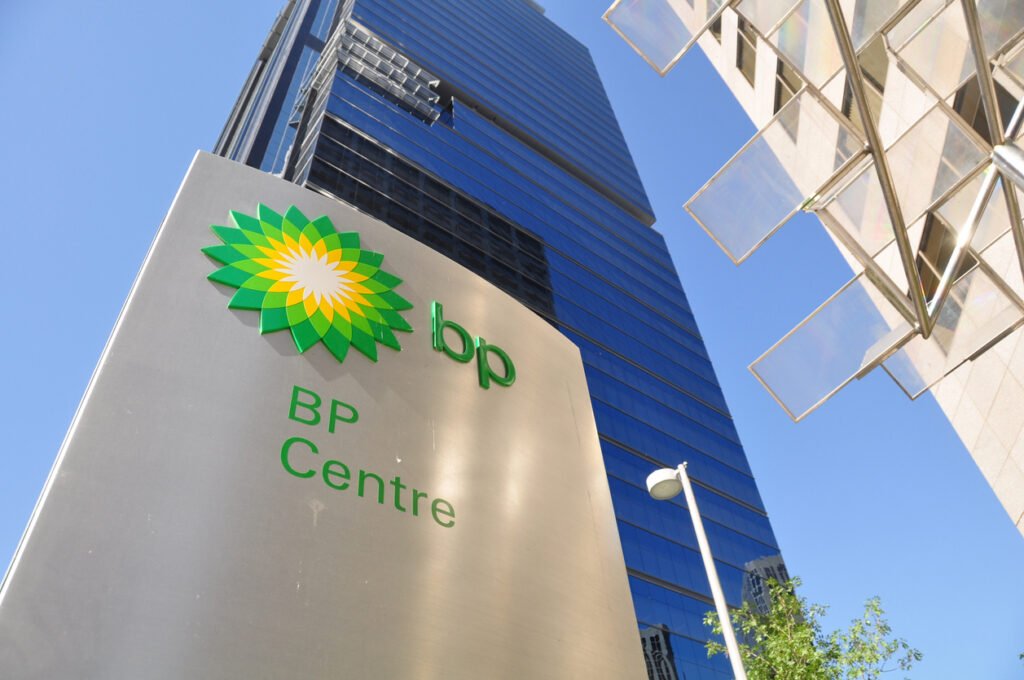
BP’s Bold Shale Pivot: A High-Stakes Bet on US Production Growth
BP is charting a distinctive course in the global energy landscape, aggressively expanding its US shale operations through BPX Energy at a time when many peers are adopting a more cautious stance. This strategic pivot aims to significantly boost the company’s hydrocarbon output, targeting an impressive 650,000 barrels of oil equivalent per day (BOED) from shale by 2030. This move represents a forceful reassertion of BP’s commitment to upstream assets, a direct response to years of underperformance and a dramatic shift from its earlier, more pronounced tilt towards low-carbon alternatives. For investors, this signals a renewed focus on shareholder value creation through proven, high-yield assets, but also introduces questions about market timing and execution in a volatile price environment.
BPX Energy: The Engine for Reversing Production Declines
BPX Energy’s growth ambitions are central to BP’s overall strategy to reverse a period of declining production and market capitalization. Currently, BPX contributes approximately 500,000 BOED, accounting for about 20% of BP’s worldwide output. The plan includes an 8% increase in shale production this year alone, setting a clear trajectory towards the 650,000 BOED target by the end of the decade. What makes this particularly compelling is BPX CEO Kyle Koontz’s commitment to achieving this growth with $800 million less capital expenditure than initially projected. This capital efficiency is critical, as it frees up funds for other international growth projects within BP’s portfolio, directly addressing the parent company’s need to repair its balance sheet and enhance shareholder returns after its market valuation lagged behind rivals like ConocoPhillips and Petrobras. This contrarian approach, divergent from the restraint shown by prominent shale operators like Diamondback Energy and EOG Resources, positions BP as a unique player aggressively pursuing volume and efficiency in the US onshore sector.
Navigating Market Headwinds: Price Volatility and Profitability Questions
BP’s aggressive shale expansion comes amidst a dynamic and often unpredictable global oil market. As of today, Brent crude trades at $93.52 per barrel, while WTI crude fetches $90.25 per barrel. While these prices remain above the $70 per barrel assumption used in BP’s long-term strategy, recent market trends warrant close attention. Our proprietary data shows Brent crude experienced a significant pullback, dropping from $118.35 on March 31st to $94.86 just yesterday, representing a nearly 20% decline in under three weeks. This sharp correction underscores the inherent volatility in global energy markets and highlights the importance of cost efficiency for operators. While BPX’s leadership declined to disclose specific breakeven prices for its operations in key basins like the Permian, Eagle Ford, and Haynesville, the company’s emphasis on lowering operating costs is paramount. Investors will keenly watch BPX’s ability to maintain profitability and deliver strong cash flows even if crude prices experience further downward pressure, especially given widespread warnings of a potential worldwide crude glut.
Upcoming Catalysts and Forward-Looking Supply Dynamics
The success of BP’s shale strategy will undoubtedly be influenced by upcoming market events and broader supply-demand dynamics. Several key dates on the near-term calendar offer critical insights for investors tracking the sector. On April 21st, the OPEC+ JMMC Meeting will be closely scrutinized for any signals regarding future production policy, directly impacting global supply and price stability. Subsequent data releases, such as the EIA Weekly Petroleum Status Reports on April 22nd and April 29th, along with the API Weekly Crude Inventory reports on April 28th and May 5th, will provide vital snapshots of US crude inventories, refinery activity, and demand signals – all crucial for assessing the health of the market BPX operates within. Furthermore, the Baker Hughes Rig Count on April 24th and May 1st will indicate whether US drilling activity is indeed slowing among competitors, making BPX’s growth plans even more distinctive. Finally, the EIA Short-Term Energy Outlook on May 2nd will offer updated forecasts on global supply and demand, providing a macro backdrop against which to evaluate BP’s long-term production targets and the potential for market saturation.
Addressing Investor Scrutiny: Value Creation Amidst Strategic Shifts
Our first-party intent data reveals that OilMarketCap.com readers are actively engaging with questions about market direction and company-specific performance, with common queries like “what do you predict the price of oil per barrel will be by end of 2026?” and specific interest in how individual companies will perform. This level of investor scrutiny naturally extends to BP’s significant strategic shift. The decision to aggressively grow BPX Energy, rather than consider a spin-off or sale as some analysts have suggested, speaks volumes about management’s confidence in the unit’s intrinsic value and its ability to drive overall corporate performance. This confidence is particularly relevant given the recent leadership changes, including the interim appointment of Carol Howle and the upcoming arrival of Meg O’Neill as CEO, following a period of intense pressure from activist investors like Elliott Investment Management. BP’s commitment to BPX Energy is a clear signal that the company views its US shale assets as a core engine for future profits and a direct pathway to rebuilding shareholder value, aiming to once again position itself as a formidable player among the supermajors.