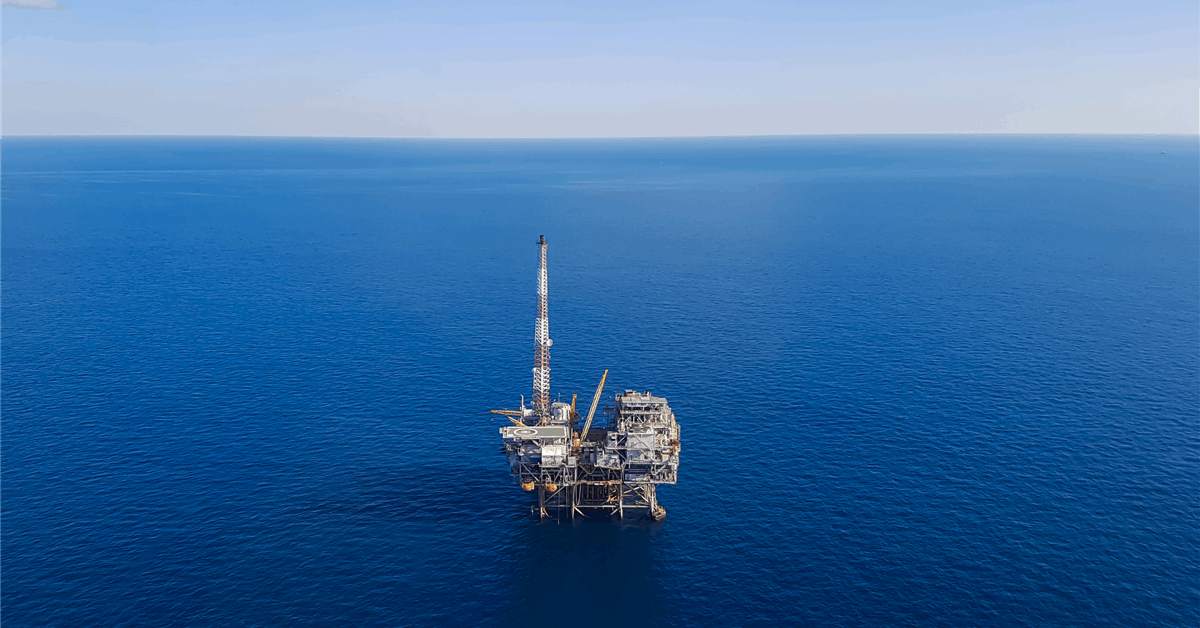
The Bureau of Ocean Energy Management (BOEM) recently announced a Proposed Notice of Sale (PNOS) for Lease Sale 262 in the Gulf of Mexico, signaling a significant move to bolster offshore oil and gas exploration and production. This isn’t just another bureaucratic announcement; for investors, it represents a pivotal opportunity to assess the long-term viability and growth prospects of the U.S. offshore sector. As the first of three planned lease sales under the 2024–2029 Outer Continental Shelf Oil and Gas Leasing Program, Lease Sale 262 lays the groundwork for sustained energy development, offering a vast inventory of acreage with enticing economic incentives. Our analysis delves into the strategic implications, current market context, and forward-looking catalysts that will shape investor interest in this crucial offshore offering.
Strategic Foundations: Unlocking Gulf of Mexico Potential
Lease Sale 262 is a formidable offering, proposing approximately 15,000 unleased blocks spanning an impressive 80 million acres across the Western, Central, and Eastern Planning Areas of the Gulf. These blocks range in water depth from shallow nine feet to ultra-deep 11,100 feet, catering to a wide spectrum of exploration and development capabilities. The sheer scale of this lease sale underscores its strategic importance for national energy security and economic growth, with the Gulf of Mexico already contributing 14 percent of domestically produced oil. BOEM’s Principal Deputy Director Matt Giacona highlighted the vital role of offshore oil and gas in the nation’s energy portfolio, framing this sale as a commitment to “advancing American Energy Dominance.” For E&P companies, this translates into a renewed, long-term commitment from the federal government to foster domestic hydrocarbon production. Furthermore, the proposed royalty rate of 16 ⅔ percent for both shallow and deepwater leases is a critical economic incentive. This rate, the lowest for deepwater leases since 2007, significantly enhances the economic attractiveness of projects, potentially improving internal rates of return (IRR) and accelerating payback periods, thereby mitigating some of the inherent risks associated with long-cycle offshore investments.
Market Headwinds and Tailwinds: The Current Investment Climate
Understanding the context of Lease Sale 262 requires a look at the prevailing market conditions. As of today, Brent Crude trades at $94.79 per barrel, reflecting a slight dip of 0.72% within a day range of $93.98-$95.69. WTI Crude follows a similar trend at $86.47, down 1.09% from its opening, trading between $85.50 and $86.78. This snapshot reveals a market undergoing some short-term corrections, especially when considering the 14-day Brent trend, which saw prices decline by nearly 20% from $118.35 on March 31 to $94.86 on April 20. Despite this recent softness, the current price levels remain robust enough to support significant capital expenditure in offshore projects, especially those with favorable royalty structures. The lower royalty rate for deepwater, combined with oil prices comfortably above the typical breakeven costs for many Gulf of Mexico deepwater developments, creates a compelling investment environment. While gasoline prices currently sit at $3.02, down 0.33%, indicating some demand moderation, the underlying structural demand for crude remains strong, particularly for the high-quality crudes often found offshore. Investors must weigh the short-term price volatility against the long-term production horizons of these offshore leases, where stable cash flows over decades can buffer against cyclical downturns.
Navigating the Calendar: Key Dates and Upcoming Catalysts for Offshore Investors
The path from a proposed lease sale to active drilling is a meticulous one, punctuated by regulatory milestones and broader market events. The Notice of Availability for the PNOS will be available for public inspection in the Federal Register on June 26, with official publication on June 27. This initiates a crucial 60-day comment period for state governors and local governments, a phase where potential concerns or support can shape the final terms. Following this, BOEM will issue a Final Notice of Sale at least 30 days before the scheduled public bid reading, which will be live-streamed. Investors should mark these dates carefully, as they provide critical windows for due diligence and strategic planning ahead of actual bidding. Beyond the lease sale specific timeline, several upcoming energy events could significantly impact the investment landscape for offshore E&P. This week, the OPEC+ JMMC Meeting on April 21 stands as a major near-term catalyst. Any decisions on production quotas could materially shift global supply dynamics and, consequently, crude prices, directly influencing the perceived value of new leases. Further insights into demand and inventory will come from the EIA Weekly Petroleum Status Reports on April 22 and April 29, and the API Weekly Crude Inventory reports on April 28 and May 5. These provide crucial data points on U.S. supply-demand balances. The Baker Hughes Rig Count on April 24 and May 1 will offer a snapshot of drilling activity, while the EIA Short-Term Energy Outlook on May 2 will provide updated forecasts on global supply and demand, informing long-term investment models. These events collectively paint a picture of an evolving market, demanding astute analysis from investors considering significant capital commitments in the Gulf.
Addressing Investor Queries: Long-Term Vision Amidst Price Volatility
Our proprietary reader intent data reveals a common thread among investors this week: a palpable concern regarding price direction and long-term oil forecasts. Questions such as “is WTI going up or down” and “what do you predict the price of oil per barrel will be by end of 2026?” highlight the prevailing uncertainty and the desire for clarity in a volatile market. While short-term price movements are inherently unpredictable, the investment thesis for Gulf of Mexico deepwater leases is fundamentally long-term. These projects involve multi-year development cycles and multi-decade production lives, making them less susceptible to daily or even quarterly price fluctuations. The strategic importance of the Gulf as a consistent supplier of 14% of U.S. domestic oil production underscores its resilience. Investors committing to these leases are betting on sustained global energy demand and the strategic necessity of reliable domestic supply. The proposed sale, coupled with BOEM’s ongoing development of a new National Outer Continental Shelf Oil and Gas Leasing Program that promises “additional leasing opportunities,” indicates a federal commitment extending well beyond the immediate term. While certain areas will be excluded from Lease Sale 262, such as blocks subject to the September 8, 2020, presidential withdrawal and those within the Flower Garden Banks National Marine Sanctuary, the vast majority of the 80 million acres remain open. This provides ample choice for companies to target high-potential, lower-risk areas. Ultimately, for those seeking to capitalize on the enduring need for hydrocarbons and the significant returns offered by large-scale, technologically advanced E&P, Lease Sale 262 presents a robust opportunity to secure long-term assets in a proven basin, even as short-term price debates continue to dominate headlines.


