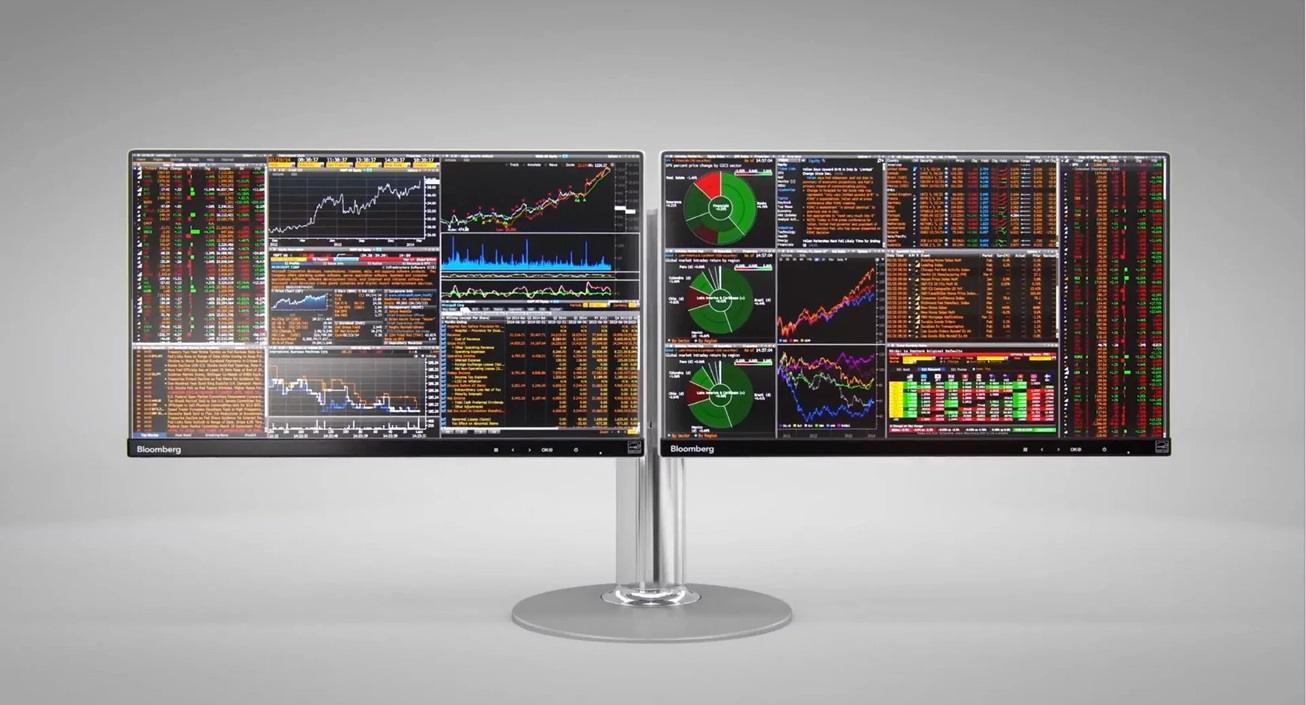
The global energy landscape is undergoing a profound transformation, challenging traditional investment paradigms in the oil and gas sector. As capital increasingly flows towards low-carbon technologies, understanding and quantifying exposure to this energy transition has become paramount for investors seeking to safeguard and grow their portfolios. A recent development from a leading financial information provider underscores this shift, introducing enhanced analytical tools designed to help investors rigorously assess company and portfolio susceptibility to both the risks and opportunities presented by a decarbonizing economy. For oil and gas investors, this signifies a crucial evolution in due diligence, moving beyond conventional metrics to embrace a more nuanced view of long-term value.
Navigating the Volatility: Market Dynamics and Transition Pressures
The immediate market environment provides a stark backdrop to the strategic imperative of assessing carbon transition risk. As of today, Brent Crude trades at $90.38 per barrel, reflecting a significant daily decline of 9.07%, with a day range between $86.08 and $98.97. This sharp drop follows a notable trend over the past two weeks, where Brent has fallen from $112.78 on March 30th to its current level, marking a substantial 19.9% decrease. Similarly, WTI Crude stands at $82.59, down 9.41% today, while gasoline prices have also retreated to $2.93 per gallon. This kind of volatility, while often driven by short-term supply-demand imbalances or geopolitical events, amplifies the need for investors to understand deeper, structural shifts. The move away from fossil fuels, evidenced by global investment in low-carbon technologies surging to over $2 trillion in 2024 from $160 billion in 2009, creates a persistent, underlying pressure that cannot be ignored. Investors are no longer just asking about today’s price, but “what do you predict the price of oil per barrel will be by end of 2026?”, signaling a clear desire for long-term outlooks that integrate transition dynamics.
Quantifying Exposure: Unpacking New Analytical Capabilities for O&G Investors
For oil and gas investors, the challenge has always been to differentiate between companies genuinely adapting to the energy transition and those merely paying lip service. The new suite of tools addresses this directly by providing granular data on transition exposure revenues and capital expenditure. These capabilities allow investors to identify the extent to which revenues for over 100,000 companies are tied to 23 distinct clean energy and fossil-fuel activities. This level of detail is critical for understanding a company’s true diversification away from traditional hydrocarbon streams. Furthermore, the inclusion of transition capital expenditure data offers a forward-looking lens, capturing reported investments in low-carbon technologies across sectors like energy, industry, transport, and infrastructure. This helps answer investor questions such as “How well do you think Repsol will end in April 2026?” by enabling a deeper dive into a company’s strategic capital allocation. The ability to analyze bottom-up, asset and financing-deal level data, especially for private companies involved in nearly 70,000 transactions across 23,000 entities, provides an unparalleled view into the credibility and pace of corporate climate strategies. It moves beyond high-level pledges to concrete investment decisions, offering clarity on which companies are truly investing in future-proofing their operations.
Strategic Decisions on the Horizon: OPEC+ and Market Reaction
While the long-term energy transition plays out, immediate market factors continue to demand attention, particularly from key players like OPEC+. We are on the cusp of significant events for the oil market, with the OPEC+ Joint Ministerial Monitoring Committee (JMMC) Meeting scheduled for April 19th, followed by the full OPEC+ Ministerial Meeting on April 20th. These gatherings are critical as they will determine production quotas and influence global supply dynamics in the near term. Investors are keenly asking “What are OPEC+ current production quotas?” because any adjustments can significantly impact crude prices. A decision to maintain or even increase current quotas could exacerbate the recent price declines, especially if global demand forecasts remain subdued. Conversely, deeper cuts could provide a floor for prices. These decisions will unfold alongside weekly data points, such as the API Weekly Crude Inventory (April 21st, April 28th) and the EIA Weekly Petroleum Status Report (April 22nd, April 29th), which offer crucial insights into U.S. supply and demand. The interplay between these short-term supply management strategies and the overarching long-term transition narrative creates a complex environment for investors, where fundamental analysis must increasingly incorporate both immediate market signals and strategic decarbonization efforts.
Beyond the Headlines: Identifying Value and Mitigating Risk in a Shifting Landscape
For savvy oil and gas investors, the enhanced analytical capabilities represent more than just new data points; they are essential tools for identifying genuine long-term value and mitigating escalating risks. With renewable energy project investment growing double-digits to over $380 billion in the first half of this year alone, the competitive landscape is rapidly evolving. Companies that fail to adapt their business models, diversify their revenue streams, or strategically invest in low-carbon technologies risk becoming stranded assets in a decarbonizing world. These new tools empower investors to conduct revenue sensitivity analysis across various climate scenarios and measure potential revenue risk over different time horizons. This allows for a proactive approach to portfolio management, enabling the identification of leaders who are effectively adapting to the rise of low-carbon technologies and the avoidance of laggards who remain overly exposed to legacy fossil fuel assets. In an environment marked by both market volatility and structural change, granular, forward-looking insights are not just an advantage, but a necessity for successful oil and gas investing.


