The global energy investment landscape is in constant flux, a dynamic environment where traditional commodity plays intersect with burgeoning sustainable finance initiatives. While oil and gas investors meticulously track daily price movements and geopolitical shifts, a significant, long-term trend is taking shape in the form of blended finance, poised to redirect billions towards sustainable development in emerging markets. This evolution presents both a potential challenge to conventional capital allocation within the energy sector and a strategic opportunity for integrated energy companies looking to diversify and align with global sustainability goals.
Blended Finance: De-Risking Sustainable Development
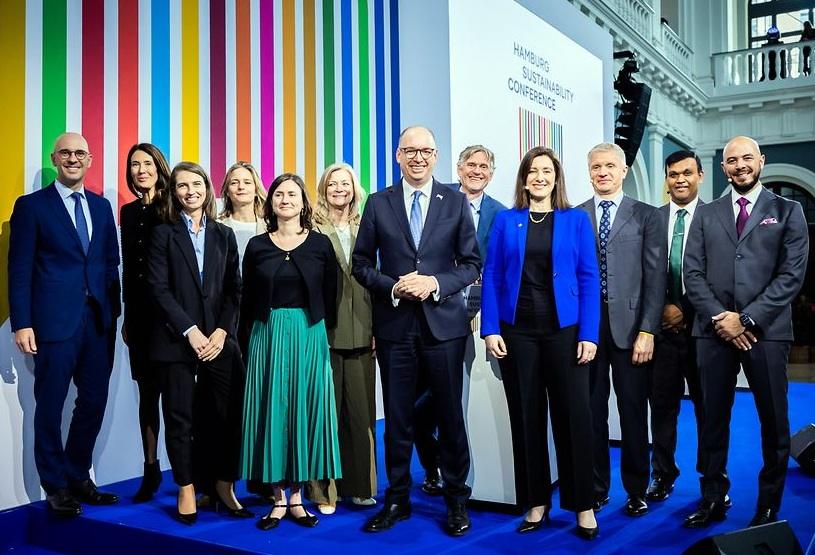
A new public-private coalition, Scaling Capital for Sustainable Development (SCALED), is spearheading an initiative to accelerate private investment in sustainable development projects across emerging markets and developing economies (EMDEs). This coalition, including financial giants like Allianz, AXA, and Zurich Insurance Group, alongside governments such as Canada, France, and the UK, is focused on growing investment opportunities specifically within sustainable blended finance. Blended finance uniquely combines public or philanthropic capital with private funding within a common investment structure. Its primary function is to mitigate the high perceived risk profiles often associated with new climate mitigation technologies and other sustainable infrastructure projects, thereby making them more palatable for private investors. SCALED’s key deliverable will be the launch of a new service provider company by the end of this year. This entity will standardize financial vehicles and act as a crucial matchmaking platform, aiming to bridge persistent financing gaps in climate, infrastructure, and development sectors. For oil and gas investors, understanding this mechanism is critical, as it represents a structured pathway for capital to flow into areas that often compete with, or offer alternatives to, traditional fossil fuel investments.
Market Volatility Underpins Diversification Drivers
The current state of the global oil market provides a stark backdrop against which these long-term sustainable finance initiatives gain prominence. As of today, Brent Crude trades at $90.38, reflecting a significant 9.07% decline from its opening. WTI Crude follows a similar trajectory, priced at $82.59, down 9.41% within the day’s trading range of $78.97 to $90.34. This sharp downturn is not an isolated event; it extends a broader trend observed over the past two weeks, with Brent crude shedding $20.91, or 18.5%, since March 30th when it traded at $112.78. Gasoline prices have also felt the pressure, currently at $2.93, a 5.18% drop. This period of pronounced volatility and downward price pressure can significantly influence investor sentiment and capital allocation. In such an environment, the appeal of de-risked, long-term investments in sustainable development, even if outside core oil and gas, becomes more pronounced. Integrated energy companies, particularly, might view initiatives like SCALED as strategic avenues to diversify their portfolios, manage risk, and align with evolving global investment mandates, especially those focused on ESG criteria.
Investor Focus: Bridging Short-Term Returns with Long-Term Vision
Our proprietary market intelligence reveals a persistent investor focus on the immediate mechanics and performance within the traditional oil and gas sector. Investors are actively seeking insights into specific company performance, evidenced by frequent queries regarding companies like Repsol and their anticipated financial outcomes for April 2026. Furthermore, the market’s strong desire to predict the price of oil per barrel by the end of 2026, alongside detailed questions about OPEC+ current production quotas, underscores a deep reliance on conventional supply-demand fundamentals and short-term market catalysts. This intense focus on direct commodity exposure and operational specifics highlights a potential disconnect with the longer-term, more diffuse returns associated with blended finance. While the SCALED initiative aims to unlock billions over “coming years” through standardized investment vehicles, its investment thesis diverges from the immediate capital appreciation often sought in crude plays. Oil and gas investors are increasingly faced with the strategic challenge of balancing the allure of traditional, often volatile, commodity returns against the stable, yet potentially slower, growth profile of sustainable development finance. The market is subtly asking: how do we diversify without losing sight of our core competence?
Upcoming Catalysts and Strategic Diversification
The immediate horizon for oil and gas investors is packed with critical events that will undoubtedly shape short-term market dynamics. The upcoming OPEC+ Joint Ministerial Monitoring Committee (JMMC) meeting this weekend, followed by the full Ministerial meeting, carries significant weight in determining future production policies. These are closely followed by recurring API and EIA Weekly Crude Inventory reports and the Baker Hughes Rig Count data, all of which provide vital, short-term indicators of supply, demand, and drilling activity. These events typically drive sentiment and capital movement within the traditional energy sector. In contrast, the SCALED initiative’s new service provider company, expected to commence operations by the end of this year, offers a fundamentally different investment horizon. Its focus on developing standardized financial vehicles and facilitating matchmaking for sustainable projects suggests a long-term play, aiming to unlock substantial private investment over several years. The recent launch of the Asia-Pacific Blended Finance Community of Practice further signals the regional momentum and collaborative nature of these long-term sustainable finance efforts. For oil and gas companies and their investors, the strategic question becomes: how will the outcomes of these immediate O&G catalysts influence the pace and scale of their engagement with long-term diversification strategies, particularly as initiatives like SCALED begin to channel significant capital towards the energy transition?


