Big Oil Navigates Looming Crude Downturn: Investor Resilience in Focus
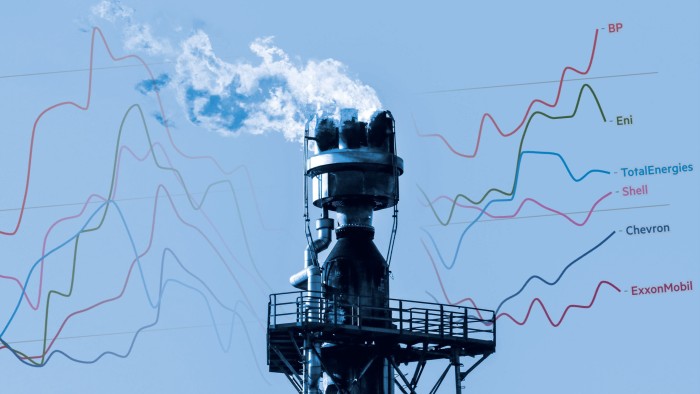
The world’s leading energy giants are signaling robust preparedness for what could become the third significant slump in crude oil prices within a decade. Executives across ExxonMobil, Chevron, Shell, TotalEnergies, and BP are actively reassuring the investment community about their financial fortitude, emphasizing strategies designed to weather adverse market conditions without compromising core operations or shareholder value. This proactive communication comes as oil markets grapple with renewed volatility, prompting scrutiny of major players’ balance sheets and long-term strategic positioning.
Market Fundamentals Signal Caution
Recent market movements underscore the prevailing pressures. Crude oil benchmarks dipped below $60 per barrel in April, with projections suggesting an average price point around $65 per barrel for the remainder of the year. Brent crude, the international standard, recently traded under $65 a barrel, reflecting a supply landscape where the OPEC+ alliance, including key producers like Saudi Arabia and Russia, continues to expand output. This backdrop creates a challenging environment for oil and gas investors, demanding clarity on how the industry’s titans plan to maintain profitability and returns.
ExxonMobil’s Proactive De-risking Strategy
ExxonMobil, a titan valued at $472 billion, exemplifies a disciplined approach to market fluctuations. CEO Darren Woods recently acknowledged the “significant downward pressure on prices and margins” impacting the sector. Critically, Woods detailed how the company has systematically prepared for such scenarios by executing nearly $13 billion in cost reductions over the past five years. This strategic trimming of operational expenses positions the integrated energy major to absorb shocks more effectively. Furthermore, ExxonMobil’s internal financial modeling includes rigorous “pressure-testing” against market scenarios “more severe than our Covid experience” in 2020, a downturn that severely impacted global demand. Woods confidently asserted that no other international oil company matches their level of preparedness, underscoring a strategic advantage in navigating volatile energy markets.
Chevron and Shell Prioritize Shareholder Returns Amidst Headwinds
Chevron, another industry heavyweight, is actively optimizing its operational footprint, evidenced by a planned workforce reduction of one-fifth. Despite these adjustments, the company projects impressive financial resilience, anticipating generation of $9 billion in free cash flow even if crude prices settle at $60 per barrel. This metric is a strong indicator for investors, highlighting the company’s ability to generate substantial cash after capital expenditures, crucial for dividends, debt reduction, or further investments.
Shell has also provided robust assurances regarding its commitment to shareholder distributions. The European energy major declared its capacity to sustain dividend payments even if oil prices plummet to $40 per barrel. Moreover, Shell confirmed that its share buyback program would persist, albeit at approximately half the current rate, should crude prices hover around $50 per barrel. Interestingly, Shell’s Chief Financial Officer, Sinead Gorman, noted that the company has not, at this juncture, altered its capital expenditure plans, stating, “We’re not asking our businesses to stop on projects.” This signals a balanced strategy of financial prudence combined with continued strategic investment for future growth.
TotalEnergies’ Steadfast Approach to Volatility
TotalEnergies’ CEO, Patrick Pouyanné, echoed a sentiment of calm and strategic consistency, drawing parallels to the company’s response during the 2020 pandemic-induced crisis. Pouyanné emphasized a “no panic” philosophy, reminding investors that TotalEnergies maintained its dividend throughout the most challenging periods of the global health crisis. This historical commitment to shareholder returns serves as a powerful testament to the company’s financial discipline and long-term vision, offering reassurance amidst current market uncertainties.
Lessons from Past Downturns and Future Opportunities
The current market dynamics evoke memories of prior significant downturns, notably the 2014-2016 price wars initiated by Saudi Arabia, the United States, and Russia. That period forced the industry into deep spending cuts, project deferrals, and a surge in corporate debt as companies borrowed to sustain operations and shareholder payouts. The 2020 pandemic also tested the sector’s resilience, leading to unprecedented demand destruction.
However, these challenging periods have also presented strategic opportunities for well-capitalized players. Shell’s significant acquisition of BG Group in 2015, executed during a period of lower valuations, stands as a prime example. Similarly, Chevron capitalized on market conditions by acquiring Noble Energy in 2020. These strategic moves highlight a dual perspective: while downturns demand cost control and financial discipline, they also create fertile ground for inorganic growth and portfolio enhancement. As ExxonMobil’s Woods articulated, “We’re better positioned than others to respond to market challenges and, in fact, take advantage of the opportunities they present.” This indicates a readiness not just to survive, but to thrive and strengthen market position when competitors may be constrained.
Investor Outlook: Resilience and Strategic Positioning
For investors in the oil and gas sector, the collective message from Big Oil is one of prepared resilience. The industry’s leading companies have significantly de-risked their operations through rigorous cost-cutting, enhanced balance sheet strength, and clear commitments to shareholder returns, even under severe price scenarios. While the prospect of a prolonged crude downturn presents undeniable challenges, the strategic adjustments made since previous crises—coupled with a proactive stance on capital allocation and efficiency—suggest a more robust industry ready to navigate volatility. Companies are not merely bracing for impact; they are actively positioning themselves to maintain financial health and capitalize on strategic openings, offering a more stable outlook for energy investors.