The Growing Influence of Battery Energy Storage Systems on Global Energy Markets
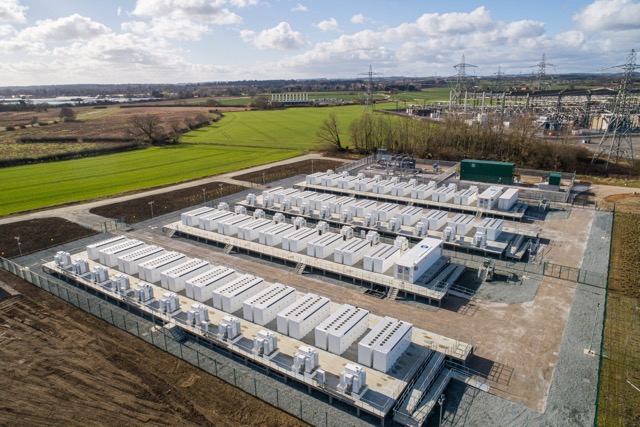
Battery Energy Storage Systems (BESS) are rapidly emerging as a transformative force, fundamentally reshaping the dynamics of power grids and, by extension, the broader energy landscape. These sophisticated electrochemical devices, capable of rapidly absorbing, storing, and discharging electricity, are proving indispensable for enhancing grid flexibility, especially in an era defined by the increasing penetration of intermittent renewable energy sources like solar and wind. Their unique ability to stabilize energy supply, provide crucial ancillary services, and even act as virtual power plants (VPPs) when aggregated, signals a structural shift that traditional oil and gas investors cannot afford to ignore. While often viewed separately from hydrocarbon markets, the proliferation of BESS will increasingly exert a subtle yet profound long-term influence on energy demand profiles and commodity pricing.
BESS as a Cornerstone of Modern Grid Stability and Efficiency
The versatility of BESS extends across the entire energy value chain, from generation to transmission and distribution, and even to behind-the-meter applications. For power generation, BESS offers critical services such as spinning reserve, frequency regulation, and black start capabilities, ensuring grid resilience. Perhaps most significantly, BESS can perform energy arbitrage, charging during periods of low electricity demand and discharging during peak times, effectively reducing the need for expensive and often fossil fuel-intensive peaking power plants. This capability directly impacts the economics of natural gas-fired power generation, which has historically filled this role. On the transmission and distribution sides, BESS units can serve as asset deferrals or congestion relief tools, optimizing infrastructure utilization. Among the various battery chemistries, lithium-ion technology has gained significant traction due to its improving cost-competitiveness and performance characteristics, making it a frontrunner for large-scale grid applications. The continuous innovation in this space promises even greater efficiency and lower costs, accelerating BESS adoption and its subsequent impact on energy markets.
Navigating Current Market Volatility Amidst Structural Shifts
The immediate gyrations of the crude oil market offer a stark contrast to the longer-term, structural changes being driven by technologies like BESS. As of today, Brent crude trades at $90.38 per barrel, marking a substantial 9.07% decline within the day’s range of $86.08 to $98.97. This sharp downturn is part of a broader trend, with Brent having plummeted nearly 20% over the past two weeks, from $112.78 on March 30th. Similarly, WTI crude stands at $82.59, down 9.41% today, while gasoline prices have fallen to $2.93, a 5.18% drop. While these immediate price movements are primarily influenced by geopolitical events, supply concerns, and macroeconomic indicators, the underlying growth of BESS is quietly shaping the future demand picture for fossil fuels. By integrating more renewable energy and stabilizing grids, BESS deployment indirectly reduces the reliance on fossil fuel-based generation, particularly natural gas for peaking power. While not directly driving day-to-day oil prices, the expanding BESS footprint contributes to a narrative of declining long-term demand for hydrocarbons, influencing investor sentiment and long-range price forecasts, a critical consideration for any energy investment portfolio.
Forward Outlook: Key Events and Investor Questions Shaping the Energy Future
Investors are keenly observing a confluence of short-term market catalysts and long-term technological shifts. A prevalent question among our readership is, “What do you predict the price of oil per barrel will be by end of 2026?” This query underscores the uncertainty facing the market. While BESS won’t be the sole determinant, its increasing deployment will be a significant factor in the demand side of the equation. We anticipate a critical period in the coming days, starting with the OPEC+ Full Ministerial Meeting on April 19th. Decisions from this gathering regarding production quotas will have an immediate and substantial impact on global supply and price stability. Following closely, the API and EIA Weekly Crude Inventory reports on April 21st/22nd and April 28th/29th will provide vital demand signals. Any signs of weakening demand, potentially exacerbated by growing BESS capacity enabling higher renewable penetration, could add downward pressure. Furthermore, the Baker Hughes Rig Count on April 24th and May 1st will indicate producer confidence and future supply intentions. These near-term events will dictate immediate market movements, but the underlying trend of BESS integration suggests a future where grid services are increasingly decarbonized, incrementally eroding the market share of traditional energy sources and placing a long-term cap on hydrocarbon price expectations. This dynamic will necessitate careful re-evaluation of investment theses for all energy companies, including those like Repsol, which readers are asking about their April 2026 performance, highlighting the importance of diversification strategies.
Strategic Implications for Oil & Gas Investment Portfolios
The rise of BESS presents both challenges and opportunities for the traditional oil and gas sector. For companies solely focused on extraction and production, the long-term impact of BESS in displacing fossil fuel demand for power generation could translate to a gradual erosion of market share and downward pressure on prices over the coming decades. This reality is prompting many integrated energy majors to diversify. The question from investors about “How well do you think Repsol will end in April 2026” is indicative of this trend, as companies like Repsol are actively investing in renewables and energy storage solutions. Such strategic pivots are becoming essential for long-term viability. Furthermore, BESS also opens avenues for collaboration; for example, gas pipeline companies could explore hybrid solutions where gas-fired generation is complemented by battery storage for enhanced reliability and efficiency. Investors should scrutinize company strategies for energy transition, assessing their exposure to pure-play hydrocarbon assets versus their investments in new energy technologies. The strategic deployment of capital towards BESS and other clean energy solutions will increasingly be a differentiator in evaluating the future resilience and growth potential of energy companies in a rapidly evolving global energy landscape.


