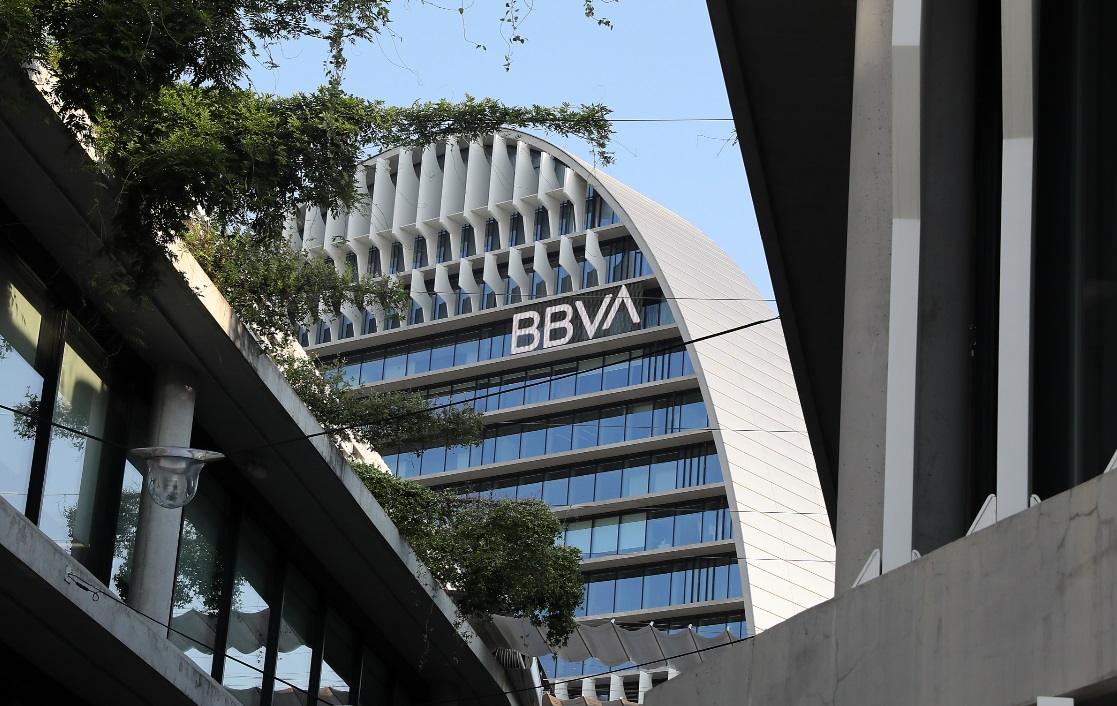
The global financial landscape is undergoing a profound transformation, with major institutions rapidly accelerating their commitment to sustainable finance. Spanish banking giant BBVA recently made headlines, announcing a record-breaking surge in its sustainable finance operations, channeling an impressive €30 billion (approximately USD$34.6 billion) into environmental and social initiatives during the second quarter of 2025 alone. This monumental quarterly achievement propelled the bank’s total sustainable finance volumes for the first half of 2025 to €63 billion, marking a significant 48% increase compared to the same period in the prior year.
This aggressive pivot towards green and social funding sends a clear signal across capital markets, particularly impacting the oil and gas sector. As financial institutions increasingly prioritize ESG (Environmental, Social, and Governance) factors, traditional energy companies face an evolving environment for capital access and investment. The sheer scale of BBVA’s commitment underscores a broader industry trend where sustainability is no longer a peripheral concern but a central pillar of financial strategy and a primary driver of new business growth.
Ambitious Capital Re-allocation Targets Redefine Investment Landscape
BBVA’s recent performance is not an isolated event but rather a reflection of its deeply embedded and significantly expanded long-term sustainability agenda. Earlier this year, the bank unveiled an audacious new goal: to channel a staggering €700 billion into sustainable finance between 2025 and 2029. This new objective represents more than double its previous target of €300 billion, which was set for the 2018-2025 period. Notably, the bank surpassed that earlier €300 billion goal by the end of 2024, a full year ahead of schedule, demonstrating both the viability and accelerating momentum behind these initiatives.
For investors monitoring the energy transition, these figures are critical. They illustrate the rapid re-allocation of vast sums of capital away from potentially carbon-intensive projects towards those aligned with climate change mitigation, natural resource conservation, and social equity. This shift directly influences the cost and availability of financing for oil and gas exploration, production, and infrastructure, compelling companies in the fossil fuel sector to adapt their strategies and demonstrate robust decarbonization pathways to remain competitive in securing investment.
Strategic Pillars: Climate, Natural Capital, and Social Impact
BBVA’s sustainable finance strategy is meticulously structured around three core pillars: climate change, natural capital, and social opportunities. The bank’s initiatives under the climate change umbrella encompass a wide array of activities aimed at reducing greenhouse gas emissions and fostering renewable energy. Concurrently, its focus on natural capital addresses critical environmental concerns such as water management, sustainable agriculture, and the promotion of a circular economy model, emphasizing resource efficiency and waste reduction.
Beyond environmental stewardship, the bank also dedicates substantial capital to social initiatives. These include financing essential social infrastructure like educational and health facilities, providing crucial support for entrepreneurs and nascent businesses, and driving financial inclusion for underserved segments of society. This holistic approach highlights that “sustainability” in finance extends beyond just environmental concerns to encompass broader societal well-being and equity.
The first half of 2025 saw a clear distribution of these funds, with 76% of the channeled sustainable finance volume directed towards projects specifically related to climate change and natural capital. The remaining 24% was strategically allocated to various social initiatives and opportunities, demonstrating a balanced yet environmentally focused deployment of capital. This allocation breakdown provides valuable insight into the specific areas where financial institutions are actively seeking to make an impact, guiding where future capital may flow and where new investment opportunities might arise within the broader sustainable economy.
Deep Dive: Sectoral Growth Driving the Sustainable Finance Surge
The robust growth in sustainable finance permeated every customer segment within BBVA during the first half of the year, underscoring the widespread adoption and demand for these types of financial products. The retail business segment experienced particularly explosive growth, surging by an impressive 119% over the previous year to reach €7.5 billion. This growth was significantly fueled by innovative digital solutions designed to help customers estimate their potential energy savings, alongside increasing financing for hybrid and electric vehicles – key components of the consumer-led energy transition.
The bank’s Commercial Banking division also reported substantial expansion in sustainable financing, with volumes climbing by 53% to €23.6 billion. Meanwhile, the Corporate and Investment Banking (CIB) arm contributed a significant €31.9 billion, representing a robust 34% increase compared to the same period in the prior year. These figures collectively reveal that the shift towards sustainable finance is not confined to niche markets but is deeply integrating into mainstream banking operations across all client tiers, from individual consumers to large multinational corporations.
For oil and gas investors, this broad-based adoption of sustainable finance across retail, commercial, and corporate banking segments signifies a systemic change. It suggests that companies, regardless of size, will increasingly be evaluated on their ESG performance and alignment with sustainable development goals to access capital. This trend could lead to higher financing costs or reduced access to conventional funding for projects perceived as environmentally or socially detrimental, thereby accelerating the push for decarbonization and diversification within the energy sector.
Implications for Oil & Gas Investment and the Energy Transition
The aggressive expansion of sustainable finance by institutions like BBVA carries profound implications for the oil and gas industry and the broader energy transition. As banks commit hundreds of billions to green and social projects, the pool of capital readily available for traditional fossil fuel ventures may contract or become more selective. This intensifying focus on ESG criteria by major lenders is effectively creating a two-tiered capital market: one where sustainable projects enjoy preferential access to funding, and another where traditional energy projects face increased scrutiny, potentially higher interest rates, and stricter environmental compliance demands.
BBVA’s stated objective to “promote sustainability as a driver of growth” and to “foster new business” through this strategy highlights a proactive stance by financial institutions to shape future economies. By identifying climate, natural capital, and social opportunities as the foundational pillars of its sustainability strategy, the bank is actively steering capital towards emerging sectors and away from industries perceived as high-risk in a decarbonizing world. This strategic reorientation by leading financial players accelerates the global energy transition, encouraging innovation in renewable energy, carbon capture, and other low-carbon technologies.
Oil and gas companies must critically assess these evolving capital market dynamics. Adapting to this new financial reality will involve not only improving operational efficiencies and reducing emissions but also exploring diversification into new energy sources, investing in sustainable technologies, and transparently communicating their ESG performance. The ability to secure competitive financing will increasingly depend on a company’s demonstrated commitment to sustainability, making ESG factors paramount for long-term investment viability and shareholder value in the evolving energy landscape.


