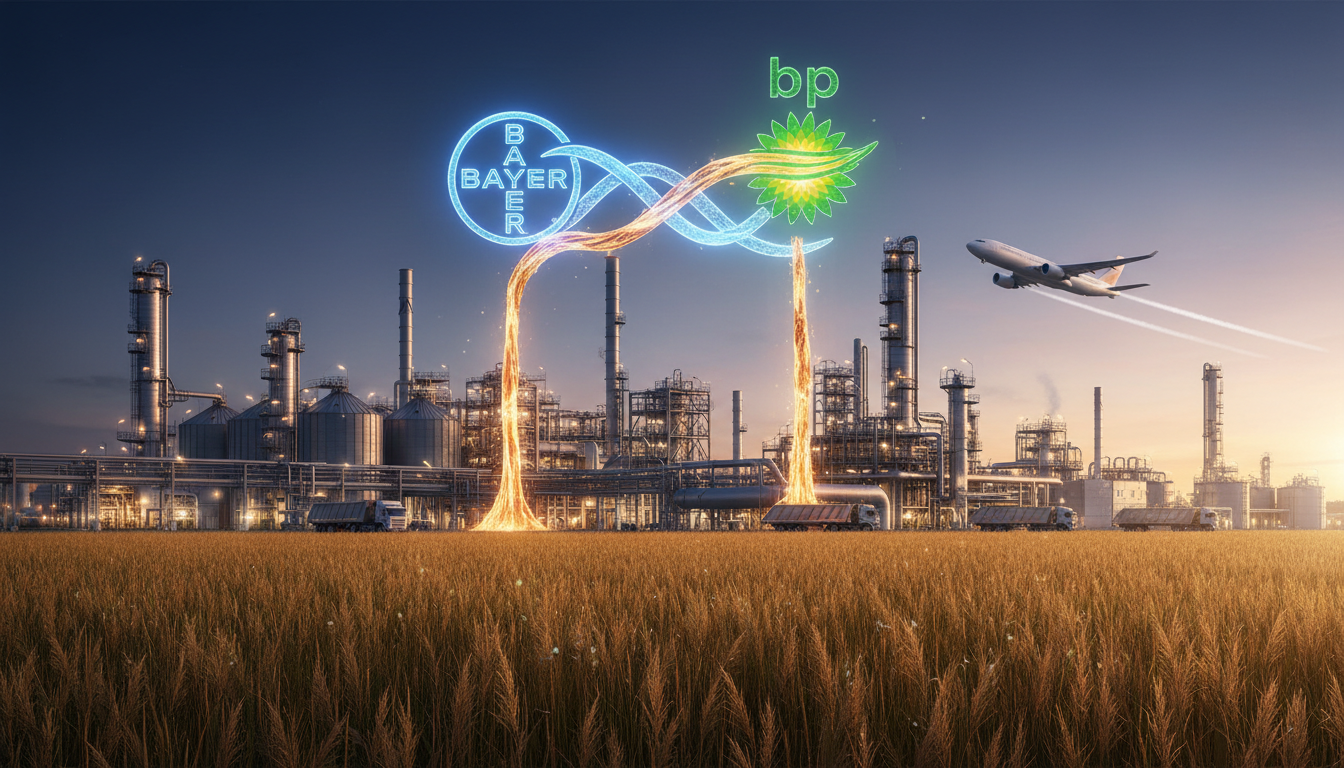
A significant long-term alliance has been forged between life sciences giant Bayer and energy major bp, signaling a strategic acceleration in the production of sustainable fuels. This collaboration is designed to scale the development and commercialization of the camelina crop under Bayer’s proprietary newgold brand, with the express aim of substantially increasing the output of biodiesel, renewable diesel, and critically, Sustainable Aviation Fuel (SAF).
The global energy landscape is undergoing a profound transformation, driven by an imperative to decarbonize and reduce greenhouse gas emissions. In this context, biofuels, derived from renewable organic feedstocks such as corn, soy, canola, and burgeoning alternative oilseed crops like camelina and CoverCress, represent a cornerstone of the energy transition. These biologically sourced fuels offer a compelling value proposition: significantly lower carbon intensity and a reduced environmental footprint compared to traditional fossil fuels. For agricultural investors and farmers, the expanding biofuels market also unlocks lucrative new revenue streams through the cultivation of biomass-based feedstocks, diversifying income and enhancing land productivity.
Camelina: A Game-Changer in Biofuel Feedstocks
At the heart of this joint venture lies camelina, an oilseed crop that both Bayer and bp view as pivotal for the future of renewable fuel production. Camelina boasts highly desirable characteristics for low-carbon intensity fuel pathways. Its robust nature allows for flexible cultivation across both spring and winter seasons, providing farmers with adaptable planting schedules. Crucially, camelina demands fewer agricultural inputs, translating to lower operational costs and a more sustainable farming footprint. Its inherent winter hardiness, coupled with pod shatter resistance and drought tolerance, makes it an exceptionally resilient crop. This enables its cultivation on idle or fallow land, or strategically integrated between traditional crop rotations, effectively avoiding competition with existing food production cycles – a key concern in the sustainable agriculture debate.
Strategic Integration: Bayer’s Agricultural Prowess Meets bp’s Energy Expertise
The initial focus of this ambitious commercialization effort is North America, a region ripe for expansion in renewable fuels. The partnership leverages the distinct strengths of each corporate titan. bp contributes its extensive fuels and refining expertise, providing the critical downstream infrastructure and market access necessary to process and distribute these advanced biofuels. Bayer, renowned for its leadership in agricultural innovation, brings its cutting-edge seed technology capabilities and an unparalleled network of farmer customers to the table. This synergy is designed to construct a robust, integrated value chain, from seed to fuel tank, aiming to de-risk investment for farmers and accelerate market penetration.
This strategic alliance is poised to cultivate a thriving intermediate oilseeds market, directly addressing the surging demand for biodiesel, renewable diesel, and SAF. Industry projections underscore the urgency of this initiative, anticipating that demand for these sustainable fuels will nearly triple to an staggering 40 billion gallons by the year 2040. Such a dramatic increase represents an immense investment opportunity and a significant shift in energy commodity markets.
Market Footprint and Farmer Empowerment
Bayer has already initiated the market introduction of its newgold camelina in key agricultural regions. Farmers in the Northern Plains of the U.S., as well as Southern Saskatchewan and Southern Alberta in Canada, are currently integrating this innovative crop into their operations. The newgold seed brand is meticulously designed to offer unparalleled flexibility to farmers, empowering them to participate actively in the burgeoning low-carbon fuel economy while retaining essential control over their agronomic and financial decisions.
This flexibility manifests in several ways: camelina can serve as an intermediate crop between primary growing seasons, providing an additional yield and revenue stream without requiring new land. It can be strategically incorporated into existing crop rotations, supporting advanced agronomic management practices and diversifying farm income. Furthermore, its ability to thrive on marginal or underutilized land significantly improves overall agricultural productivity, transforming previously fallow acreage into economically viable assets. This broad applicability minimizes risk for growers while maximizing their engagement in the sustainable energy transition.
Building on Strategic Acquisitions and Future Outlook
This landmark agreement builds upon Bayer’s proactive strategic moves in the camelina sector, specifically following its acquisition of camelina assets from Smart Earth Camelina in January 2025. This earlier move demonstrated Bayer’s conviction in camelina’s potential and laid the groundwork for the expansive partnership with bp.
As Frank Terhorst, Head of Strategy and Sustainability for Bayer’s Crop Science division, articulated, this alliance is instrumental in connecting the entire value chain necessary to bring camelina to market effectively. It is set to provide farmers with enhanced market certainty, a crucial factor as they consider integrating camelina into their operations. Bayer’s industry-leading breeding program is actively engaged in enhancing the crop’s genetic profile, further unlocking its immense, untapped global potential to meet the escalating demands of this dynamic and vital market. For investors watching the intersection of agriculture and energy, this partnership represents a compelling, long-term play in sustainable growth and decarbonization.


