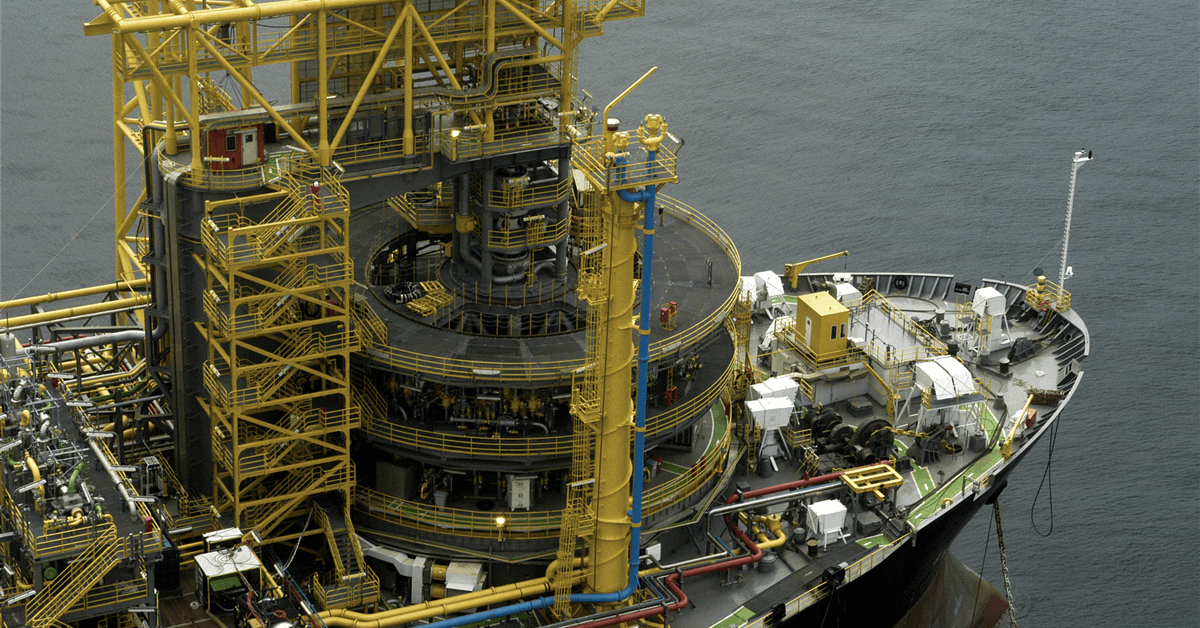
The Australian energy landscape has witnessed a significant strategic development with the Barossa gas field commencing production, poised to inject a fresh supply of natural gas into the Darwin LNG facility. This crucial milestone effectively addresses the depletion of the Bayu-Undan field, ensuring the long-term viability of one of Australia’s key liquefied natural gas export hubs. For investors, this represents more than just a new gas stream; it signifies a robust commitment to energy security, operational resilience, and sustained revenue generation in an increasingly dynamic global energy market.
The Barossa Backstop: Securing Decades of LNG Supply
The Barossa project’s successful startup marks a critical turning point for the Darwin LNG facility, which faced an uncertain future following the cessation of gas exports from the Bayu-Undan field in late 2023, with full production ceasing in May 2025. With Barossa now online, Darwin LNG secures a vital new supply source, extending its operational life by an impressive two decades. Initial reports from the field are highly encouraging; all six wells drilled have intersected excellent reservoir quality, and testing on five of these wells demonstrates an outstanding flow capacity that surpasses pre-drill estimates, with an expected average potential well deliverability of approximately 300 million standard cubic feet per day. This robust performance underpins the field’s capacity to sustain long-term production, a key de-risking factor for investors eyeing stable returns in LNG. The project’s infrastructure is equally impressive, featuring the BW Opal floating production, storage, and offloading (FPSO) vessel, capable of handling 850 million standard cubic feet of gas and 11,000 barrels of condensate per day. This state-of-the-art FPSO, located some 285 kilometers off Darwin, is complemented by a 262-kilometer Gas Export Pipeline, ensuring efficient and reliable transport to the Darwin LNG plant, which boasts a production capacity of up to 3.7 million metric tons of LNG annually.
Navigating Market Headwinds: Barossa’s Resilience in a Volatile Crude Landscape
The commencement of Barossa production arrives amidst a fluctuating global energy market, particularly in crude oil. As of today, Brent crude trades at $98.22 per barrel, reflecting a 1.18% dip within the day, with a range between $97.92 and $98.67. This current price point is part of a broader trend, as Brent has seen a notable decline of $14, or 12.4%, over the past 14 days, falling from $112.57 to $98.57. Such volatility in crude prices underscores the inherent risks and rapid shifts within the energy sector. In this context, the Barossa project stands out. Its long-term commitment to LNG supply, backed by strong well performance and a two-decade operational extension for Darwin LNG, offers a degree of stability and predictability that can be particularly attractive to investors. While crude markets react sharply to geopolitical events and inventory reports, a steady, high-capacity LNG project like Barossa provides a foundational asset less prone to immediate speculative swings, offering a valuable diversification play within energy portfolios. This resilience is a key consideration for those seeking to balance risk against the potential for sustained cash flows.
ESG, Financial Prudence, and Investor Scrutiny
Investors are increasingly scrutinizing not only the financial performance of energy assets but also their environmental, social, and governance (ESG) credentials. A common question among our readership, reflecting broader market sentiment, revolves around the sustainability and environmental impact of major energy projects. The Barossa development addresses this directly through its advanced operational design. The BW Opal FPSO incorporates industry-leading combined-cycle power generation, leveraging waste heat recovery and steam turbine technology to maximize energy efficiency. This innovative approach is projected to reduce non-reservoir emissions by more than 50%, translating to over 0.75 million tonnes of CO2e per year compared to the initial Offshore Project Proposal. Such a significant reduction aligns with evolving investor expectations for responsible energy development and can enhance the project’s long-term attractiveness. Furthermore, the financial implications of the project’s startup are clear: the ready-for-start-up (RFSU) of the BW Opal will result in the recognition of a lease liability of approximately $665 million and a right-of-use asset value of around $1.4 billion, encompassing the lease liability, FPSO pre-payment, and other direct costs. These figures provide critical transparency for investors evaluating the company’s balance sheet and future financial commitments.
Forward Trajectories: Barossa’s Strategic Role Amidst Upcoming Energy Catalysts
Looking ahead, the Barossa project’s secure gas supply for Darwin LNG provides a crucial anchor for energy portfolios as the market braces for a series of impactful events. In the immediate future, the OPEC+ Joint Ministerial Monitoring Committee (JMMC) meeting on April 17th, followed by the Full Ministerial meeting on April 18th, could introduce significant volatility into crude markets based on potential shifts in production quotas. Subsequent weekly data releases, including the API Weekly Crude Inventory on April 21st and the EIA Weekly Petroleum Status Report on April 22nd, along with the Baker Hughes Rig Count on April 24th, will further shape short-term market sentiment. While these events primarily influence crude prices, their ripple effects can impact the broader energy complex. Barossa’s long-term, stable LNG production offers a counter-narrative to these short-term market reactions, providing a layer of portfolio stability. Moreover, a key forward-looking event for Darwin LNG is the renewal of its Environment Protection License by the Northern Territory Environment Protection Authority, effective September 19, 2025. This reauthorization paves the way for the first gas into, and subsequent start-up of, the Darwin LNG plant itself, solidifying the operational timeline and reinforcing the long-term cash flow potential of the asset. Investors will be closely watching these developments, understanding that Barossa’s strategic role is not just about current production, but about providing a consistent, environmentally conscious energy supply that can weather future market uncertainties.


